Metal Roof vs Asphalt Shingles in Washington’s Climate
Choosing the right roofing material is one of the most important decisions homeowners make when planning a roof replacement. In Washington State, where rainfall, moisture, moss growth, and seasonal temperature changes are common, selecting a roofing system designed for wet conditions can significantly impact long term performance.
Two of the most common options are architectural asphalt shingles and metal roofing. Both materials offer advantages, but they perform differently depending on environmental exposure, maintenance expectations, and long term investment goals.
Understanding how each material performs in Washington’s climate helps homeowners make confident decisions that protect their property for decades.
How Washington’s Climate Impacts Roofing Materials
Western Washington experiences extended rainy seasons, overcast conditions, and fluctuating temperatures that influence how roofing materials age. Moisture exposure can gradually degrade protective layers designed to prevent water intrusion.
Moss growth is also common in areas with tree coverage or limited direct sunlight. Moss can retain moisture against roofing materials, accelerating wear and increasing maintenance needs.
Roofing systems installed in the Pacific Northwest benefit from durable materials, proper ventilation, and installation methods designed to manage long-term moisture exposure.
Many homeowners evaluating long term durability explore modern metal roofing options because of their ability to resist moisture-related deterioration.
Overview of Asphalt Shingle Roofing
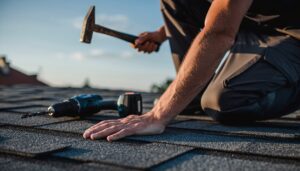
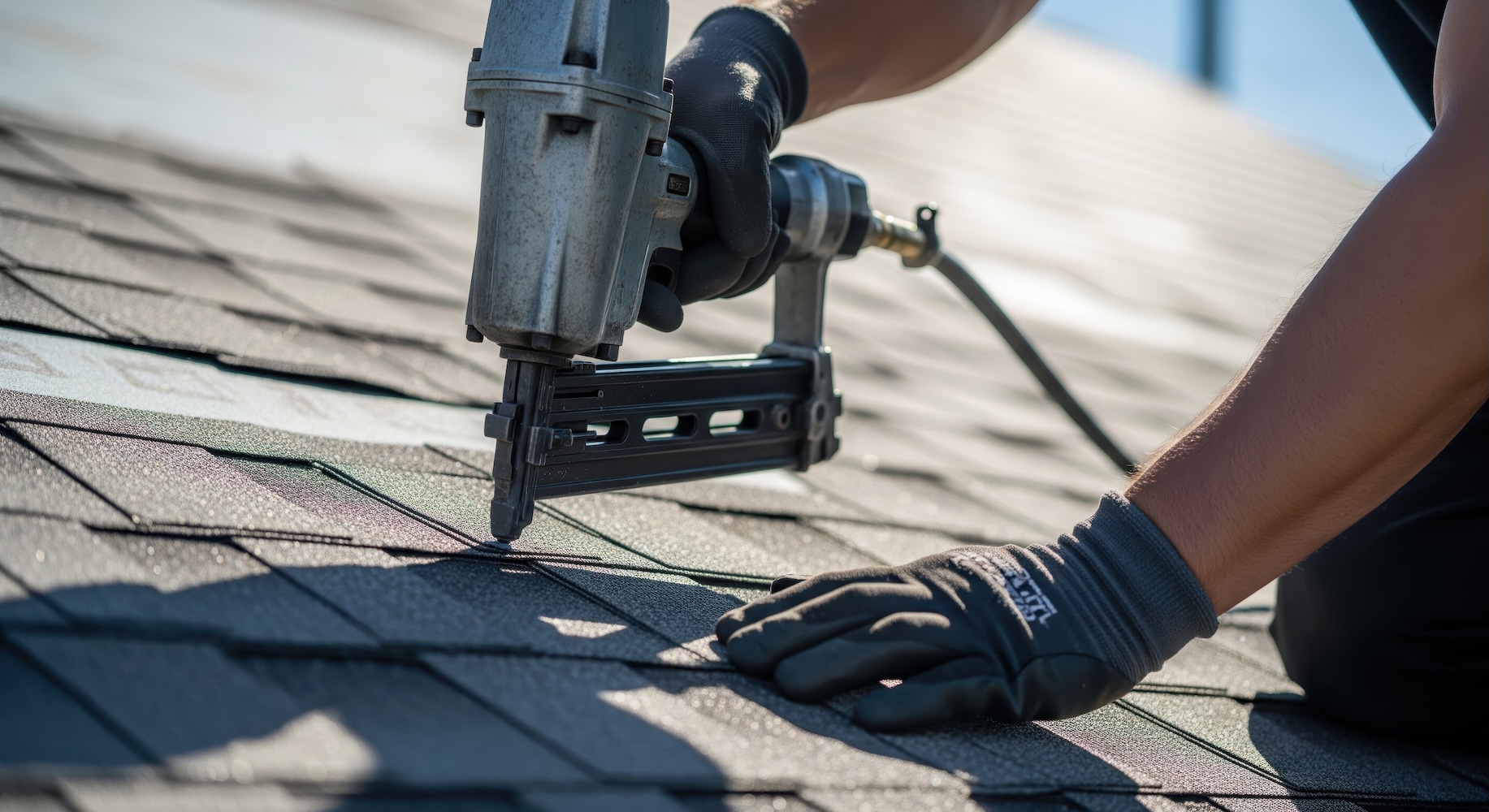
Architectural asphalt shingles remain the most widely used roofing material in Washington due to affordability and versatility. Modern shingles are designed to provide improved durability compared to earlier generations of roofing materials.
Asphalt shingles typically perform well for homeowners seeking cost effective protection and a traditional appearance that complements most residential architecture.
When properly installed and ventilated, asphalt shingles often provide reliable performance for twenty to thirty years.
Homeowners comparing options often consider asphalt shingles when budget flexibility is limited or when maintaining a familiar exterior appearance is important.
Overview of Metal Roofing
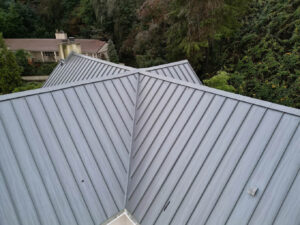
Metal roofing has grown in popularity across Washington due to its long lifespan and ability to perform reliably in high moisture environments. Standing seam metal roofing systems are engineered to shed water efficiently and resist many of the issues that affect traditional roofing materials.
Metal roofs are known for durability, low maintenance requirements, and modern aesthetic appeal. Many homeowners upgrading aging roofs choose metal because it provides long term protection with fewer repair concerns.
Metal roofing also performs well during heavy rain and wind exposure, making it particularly suitable for Pacific Northwest weather conditions.
Comparing Lifespan
One of the most significant differences between asphalt shingles and metal roofing is lifespan.
Asphalt shingles generally last between twenty and thirty years depending on maintenance and environmental exposure. Moss growth, debris accumulation, and ventilation performance may influence durability.
Metal roofing systems often last forty to seventy years when installed correctly. Because metal sheds water efficiently, it is less susceptible to prolonged moisture exposure.
Homeowners planning long term occupancy often view metal roofing as a long-term investment that may reduce the likelihood of future replacement.
Durability in Rain and Moisture
Washington’s climate places continuous demands on roofing materials. Rainfall and humidity create conditions where moisture resistance becomes especially important.
Asphalt shingles rely on protective granules to shield underlying layers from water exposure. Over time, these granules may wear away, increasing vulnerability to leaks.
Metal roofing panels interlock to create a continuous surface designed to direct water away from the structure. Because metal does not absorb moisture, it resists many forms of water-related deterioration.
This performance advantage often influences homeowners comparing roofing materials in wet climates.
Maintenance Considerations
Maintenance expectations differ between roofing materials. Asphalt shingles may require periodic inspection to identify loose shingles, flashing concerns, or moss buildup.
Metal roofing typically requires less maintenance because the surface discourages moss accumulation and sheds debris efficiently.
Routine inspection remains important for both roofing systems to ensure flashing and ventilation components remain in good condition.
Homeowners seeking lower long term maintenance often explore metal roofing installation when replacing older roofs.
Cost Comparison
Asphalt shingles generally require a lower upfront investment, making them an attractive option for homeowners prioritizing initial affordability.
Metal roofing typically costs more initially but may provide long term value by reducing maintenance needs and extending replacement timelines.
When evaluating cost, many homeowners consider expected length of homeownership and long-term performance expectations.
Comparing lifetime value rather than initial expense often provides a clearer understanding of total investment.
Energy Efficiency Considerations
Metal roofing can reflect solar heat more effectively than traditional shingles, which may help regulate indoor temperatures during warmer months.
Proper insulation and ventilation play an important role in overall energy performance regardless of material selection.
Improved temperature regulation may reduce strain on HVAC systems over time.
Appearance and Architectural Style
Both asphalt shingles and metal roofing are available in a variety of styles and colors designed to complement different architectural preferences.
Asphalt shingles provide a traditional appearance that blends with many residential neighborhoods.
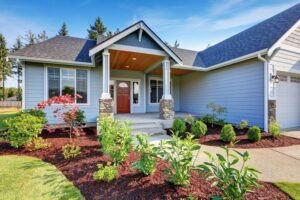
Metal roofing offers a modern appearance that works well with contemporary and craftsman style homes commonly found throughout the Puget Sound region.
Selecting materials that complement home design often improves long term satisfaction.
Which Roofing Material Is Right for Your Home?
The decision between asphalt shingles and metal roofing depends on budget considerations, aesthetic preferences, maintenance expectations, and long term goals.
Homeowners prioritizing lower upfront cost may prefer asphalt shingles. Those seeking long term durability and minimal maintenance often consider metal roofing systems.
Understanding how each material performs in Washington’s climate helps homeowners choose an option that supports long term protection.
Many homeowners evaluating replacement options review examples of metal roofing solutions when planning a long term exterior upgrade.
Frequently Asked Questions
Is metal roofing better for Washington’s rainy climate?
Metal roofing performs well in wet environments because it sheds water efficiently and resists moisture absorption. Proper installation helps prevent water intrusion.
Do asphalt shingles fail faster in rainy climates?
Moisture exposure can gradually wear protective granules on asphalt shingles. Proper ventilation and maintenance help extend lifespan.
Is metal roofing louder during rain?
Modern metal roofing systems are installed with insulation and underlayment that reduce sound transmission. Interior noise levels are typically comparable to other roofing materials.
Does metal roofing increase home value?
Long lasting materials and reduced maintenance needs may improve buyer confidence and perceived property value.
Which roofing material lasts longer?
Metal roofing typically lasts longer than asphalt shingles when properly installed and maintained.