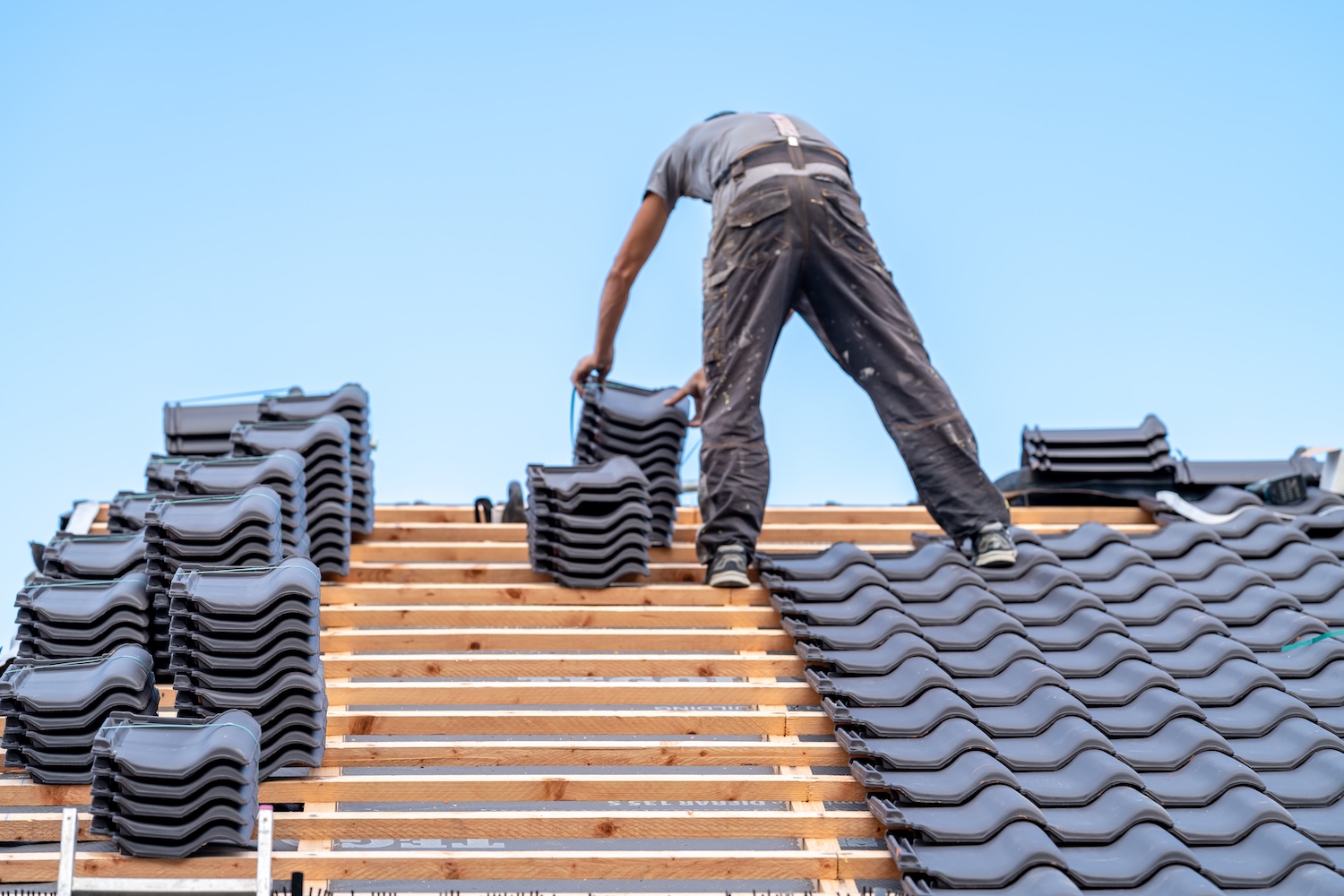
Signs You Need a New Roof in Washington
Roofs in Washington don’t fail the same way they do in dry climates. Constant moisture, moss growth, and seasonal temperature changes create a different type of wear that often develops beneath the surface.
Many homeowners don’t realize there’s a problem until leaks appear inside the home. By that point, the damage has often progressed beyond a simple repair.
Knowing the early warning signs can help you act sooner, avoid costly structural issues, and make a more informed decision about repair versus replacement.
Why Roofs Fail Faster in Washington
The Pacific Northwest climate puts continuous stress on roofing systems. Even well-installed roofs can deteriorate faster if moisture and ventilation are not properly managed.
Common causes of roof failure in Washington include:
- Moisture trapped due to poor attic ventilation
- Moss growth holding water against shingles
- Flashing failures around chimneys, skylights, and vents
- Aging materials exposed to constant rain
- Improper installation or low-quality materials
Because these issues often develop gradually, regular evaluation is critical.
If you’re unsure about your roof’s condition, a professional roof inspection can identify hidden problems before they escalate.
Recurring Roof Leaks
A single leak can sometimes be repaired. However, recurring leaks in different areas usually indicate a larger system failure.
Water intrusion often spreads beneath the surface, affecting underlayment, decking, and insulation. Patching visible leaks may not address the underlying issue.
If leaks continue after roof repairs, it’s often more cost effective to consider full replacement rather than ongoing fixes.
Curling, Cracked, or Missing Shingles
Shingles are designed to protect the underlying structure. When they begin to curl, crack, or fall off, the roof becomes vulnerable to water penetration.
In Washington, this type of deterioration is often accelerated by moisture and temperature fluctuations.
Widespread shingle damage is one of the clearest signs that replacement may be necessary.
Moss Growth Across the Roof
Moss is common in Kirkland, Bellevue, and surrounding areas due to shaded roofs and frequent rain.
While it may seem cosmetic, moss traps moisture against roofing materials. Over time, this can cause shingles to deteriorate and lift, allowing water to seep underneath.
If moss growth is extensive or recurring, it may indicate the roof is reaching the end of its lifespan.
Roof Age Exceeding 20–30 Years
Most asphalt shingle roofs in Washington last between 20 and 30 years, depending on:
- installation quality
- ventilation
- maintenance
- exposure to moisture
If your roof is approaching this range, it’s important to evaluate its condition proactively rather than waiting for failure.
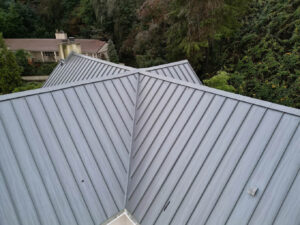
For homeowners considering long-term durability, exploring metal roofing options may be worthwhile.
Sagging or Uneven Roof Areas
A sagging roofline is a serious structural concern. It often indicates damage to the decking or supporting structure beneath the roofing materials.
This can result from prolonged moisture exposure or undetected leaks.
In these cases, replacement is typically necessary to restore structural integrity.
Water Stains in the Attic or Ceiling
Interior signs often reveal roofing problems before they are visible from the outside.
Look for:
- water stains on ceilings
- damp insulation
- mold or mildew in attic spaces
These symptoms suggest moisture intrusion that may already be affecting the structure of the home.
Rising Energy Costs
An aging or poorly ventilated roof can impact energy efficiency.
If your heating or cooling costs are increasing, it may be due to:
- inadequate insulation
- ventilation problems
- heat escaping through the roof
Addressing these issues during roof replacement can improve overall home performance.
Roof Repair vs Roof Replacement
Many homeowners try to extend the life of their roof through repairs. In some cases, this is the right approach.
However, replacement is often the better long-term solution when:
- damage is widespread
- leaks occur in multiple areas
- the roof is nearing the end of its lifespan
- structural components are affected
A professional evaluation helps determine the most practical and cost-effective path forward.
You can learn more about service options by visiting our roofing services page.
When to Call a Roofing Contractor
If you notice any of these warning signs, it’s important to have your roof evaluated by an experienced professional.
Homeowners in the Eastside area can work with a trusted Kirkland roofing contractor for a detailed inspection and recommendations based on local conditions.
For those in surrounding areas, including Bellevue, working with a local Bellevue roofing company ensures your roof is evaluated with regional expertise in mind.
Roof problems rarely improve on their own. What starts as minor wear can quickly lead to significant damage if left unaddressed.
Understanding the signs of roof failure allows you to act early, protect your home, and avoid unnecessary repair costs.
If you’re unsure about the condition of your roof, scheduling an inspection is the best next step. Early evaluation provides clarity and helps you make the right decision for your home.
Frequently Asked Questions
How do I know if I need a new roof or just a repair?
If damage is limited and the roof is relatively new, repair may be sufficient. Widespread issues or recurring leaks often indicate replacement is needed.
Does moss always mean I need a new roof?
Not always, but heavy moss growth can accelerate deterioration and may signal underlying issues.
How long does a roof last in Washington?
Most roofs last 20–30 years depending on materials, installation quality, and environmental conditions.
Can a leaking roof be repaired instead of replaced?
Some leaks can be repaired, but multiple or recurring leaks often point to larger system failure.
Is it better to replace a roof before it fails?
Yes. Replacing a roof proactively helps prevent structural damage and can reduce overall costs.