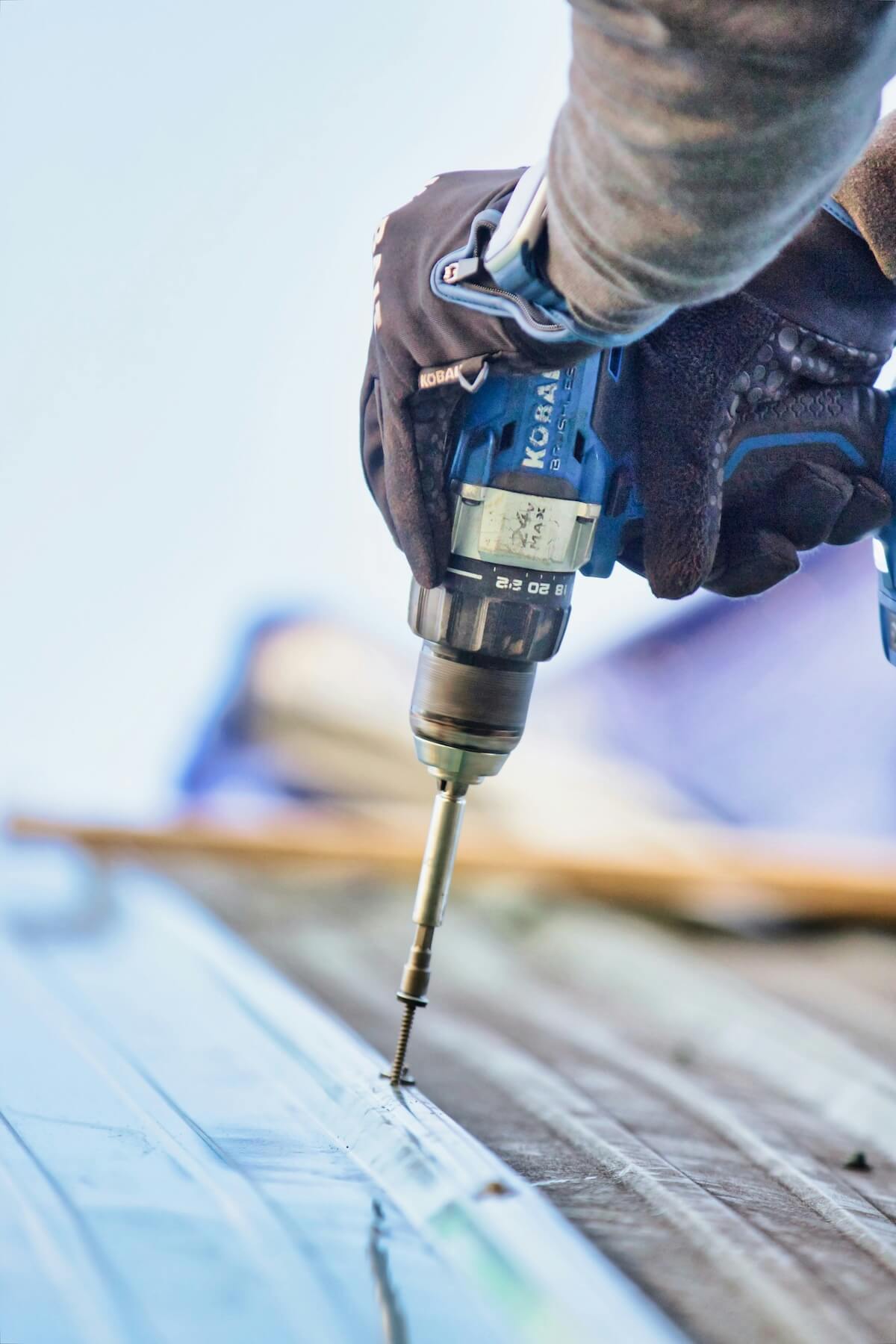
Why Roofs Fail Early in Washington
A roof should protect your home for decades, but in Washington, many roofing systems begin showing problems earlier than homeowners expect. Constant rain, shaded tree coverage, moss growth, ventilation issues, and improper installation can all shorten the life of a roof.
The challenge is that roof failure rarely happens all at once. Most problems develop slowly beneath the surface. By the time a leak appears inside the home, moisture may have already affected the underlayment, decking, insulation, or attic space.
Understanding why roofs fail early can help homeowners make better decisions about inspection, repair, replacement, and long term maintenance.
Washington Weather Is Hard on Roofing Systems
Roofs in Washington face a unique combination of conditions. Rain is frequent, roofs often stay damp for long periods, and shaded areas can remain wet even after weather improves.
This constant moisture exposure can affect:
- Shingles
- Underlayment
- Flashing
- Roof decking
- Attic insulation
- Gutters and drainage systems
A roof in the Pacific Northwest needs more than surface-level durability. It needs a complete system designed to manage water, airflow, and long term moisture exposure.
That is why regular roof inspections are so important for Washington homeowners.
Moisture Gets Trapped Beneath the Surface
Moisture is one of the biggest reasons roofs fail early in Washington. Even a small weakness in the roofing system can allow water to move beneath shingles or roofing panels.
Once moisture enters the system, it can damage:
- Roof decking
- Attic insulation
- Fascia boards
- Interior ceilings
- Structural framing
The problem is that trapped moisture is not always visible from the outside. A roof may look acceptable from the ground while hidden water damage is developing underneath.
Early inspection can help identify moisture intrusion before it becomes a larger repair or replacement issue.
Moss Growth Holds Water Against the Roof
Moss is extremely common on Washington roofs, especially in shaded neighborhoods and areas with heavy tree coverage.
At first, moss may look like a cosmetic issue. Over time, it can become a roofing problem because it holds moisture against the surface. This can cause shingles to lift, weaken, or deteriorate.
Moss can also interfere with proper water flow. Instead of allowing rainwater to move off the roof quickly, moss keeps parts of the roof wet for longer periods.
Heavy moss growth may indicate that a roof needs professional evaluation, especially if shingles are already curling, cracking, or losing granules.
Poor Ventilation Shortens Roof Lifespan
Ventilation is one of the most overlooked parts of roof performance. A roof does not only need to keep rain out. It also needs to allow the attic space to breathe properly.
Poor ventilation can cause:
- Moisture buildup in the attic
- Mold or mildew growth
- Heat trapped beneath the roof
- Premature shingle deterioration
- Uneven roof wear
- Higher energy costs
In Washington, ventilation problems can be especially damaging because moisture is already a major factor. Without proper airflow, damp air can remain trapped inside the attic and affect the roofing system from below.
A complete roofing evaluation should include attic ventilation, not just the visible roof surface.
Flashing Failure Allows Water Intrusion
Flashing protects some of the most vulnerable areas of a roof. These are the places where water is most likely to enter if materials are not installed correctly.
Common flashing areas include:
- Chimneys
- Skylights
- Roof valleys
- Wall transitions
- Vents
- Dormers
When flashing fails, water can enter the roofing system even if the shingles or roofing panels are still in decent condition.
This is one reason some homeowners experience leaks even when the roof does not look badly damaged. The issue may be at a transition point rather than across the full roof surface.
Professional roof repair can often address isolated flashing problems when the rest of the roofing system is still sound.
Gutters and Drainage Problems Add Stress to the Roof
Gutters are part of the home’s water management system. When gutters are clogged, damaged, undersized, or improperly pitched, rainwater may not move away from the home correctly.
Poor gutter performance can contribute to:
- Water backing up near roof edges
- Fascia damage
- Siding moisture problems
- Foundation drainage issues
- Soil erosion near the home
In Washington’s rainy climate, gutters need to handle consistent water flow. If they cannot, the roof and exterior system may experience avoidable moisture damage.
Ferdi Roofing & Siding provides gutter installation and replacement to help protect roofing, siding, landscaping, and foundations from water-related damage.
Improper Installation Causes Early Failure
Even high quality materials can fail early if they are installed incorrectly.
Common installation problems include:
- Incorrect nail placement
- Poor underlayment installation
- Inadequate flashing
- Improper ventilation planning
- Poor roof deck preparation
- Incorrect material use for the roof design
- Weak waterproofing at transitions
A roofing system is only as strong as the installation behind it. This is why choosing the lowest bid can become expensive over time if critical details are missed.
A properly installed roof should be built as a complete system, not just a layer of shingles.
Aging Materials Eventually Lose Protection
Every roofing material has a lifespan. Over time, shingles can lose granules, become brittle, curl, crack, or stop shedding water properly.
Signs of aging roof materials include:
- Curling shingles
- Cracked shingles
- Missing shingles
- Granule loss
- Exposed underlayment
- Uneven roof color
- Recurring leaks
- Sagging sections
If the roof is nearing the end of its expected service life, repair may only provide temporary relief. In those cases, roof installation and replacement may be the more practical long term solution.
Small Problems Are Left Unchecked Too Long
Many roof failures start as small issues. A lifted shingle, minor leak, clogged gutter, or small flashing gap may not seem urgent at first.
But in Washington, moisture can turn small roofing issues into larger structural problems quickly.
Small issues can lead to:
- Rotting decking
- Damaged insulation
- Interior ceiling stains
- Mold growth
- Larger leak paths
- More expensive repairs
Routine inspections help catch problems while they are still manageable.
What Makes a Roof Last Longer in Washington?
A longer-lasting roofing system depends on more than the material alone. It requires proper installation, ventilation, waterproofing, flashing, and drainage.
A durable Washington roofing system should include:
- Quality roofing materials
- Proper underlayment
- Correct flashing installation
- Balanced attic ventilation
- Functional gutters and downspouts
- Regular inspections
- Timely repairs
- Moss and debris management
When these components work together, the roof is better prepared to handle the Pacific Northwest climate.
When Is Repair Enough?
Roof repair may be enough when the issue is isolated and the rest of the roofing system is still in good condition.
Repair may make sense if:
- The roof is relatively new
- Damage is limited to one area
- Flashing failure is localized
- Leaks are recent and minor
- Decking is still structurally sound
A professional roof repair can help restore protection without replacing the full roofing system when replacement is not necessary.
When Is Replacement the Better Choice?
Replacement is often the better long term option when problems are widespread or recurring.
Roof replacement may be recommended if:
- Leaks keep returning
- Shingles are failing across large areas
- Moss has damaged the roof surface
- The roof is 20 to 30 years old
- Decking has moisture damage
- Ventilation problems have caused long term deterioration
- Repairs no longer provide reliable protection
In these cases, replacing the roof can prevent additional damage and provide a more dependable long term solution.
Why a System-Based Roofing Approach Matters
Ferdi Roofing & Siding approaches roofing as a complete exterior protection system. That means looking beyond the visible roof surface and evaluating the details that affect long term performance.
A system-based approach considers:
- Roof structure
- Moisture intrusion
- Attic ventilation
- Flashing integrity
- Underlayment quality
- Roofing material selection
- Gutters and drainage
- Long term durability
This approach is especially important in Washington because moisture can affect multiple parts of the home at once. A roof, siding, gutters, and ventilation all work together to protect the structure.
Schedule a Roof Inspection Before Small Issues Become Expensive
If your roof is showing signs of moss growth, leaks, aging materials, or moisture damage, early evaluation can help prevent more costly repairs.
Ferdi Roofing & Siding provides roof inspections, roof repair, roof replacement, and gutter services for homeowners throughout Kirkland, Bellevue, Redmond, Sammamish, Seattle, and surrounding Eastside communities.
Start with a professional roof inspection to understand the condition of your roofing system and the best path forward.
Frequently Asked Questions
What is the most common reason roofs fail early in Washington?
Moisture is one of the most common reasons roofs fail early in Washington. Frequent rain, poor ventilation, moss growth, and flashing problems can all allow moisture to damage roofing materials and the structure beneath.
Does moss really damage a roof?
Yes. Moss holds moisture against the roof surface and can cause shingles to lift or deteriorate over time. Heavy moss growth should be evaluated by a professional.
Can poor attic ventilation damage a roof?
Yes. Poor ventilation can trap moisture and heat in the attic, which may shorten roof lifespan and contribute to mold, insulation damage, and premature material failure.
How do I know if roof flashing is failing?
Signs of flashing failure may include leaks near chimneys, skylights, vents, valleys, or wall transitions. Water stains near these areas often indicate that flashing should be inspected.
Can gutters cause roof problems?
Yes. Clogged or damaged gutters can prevent proper drainage and may cause water to back up near roof edges, damaging fascia, siding, and roofing materials.
Can roof repair stop early roof failure?
Roof repair can help if the problem is isolated and the rest of the roof is in good condition. If issues are widespread, replacement may be a better long term solution.
How often should Washington homeowners inspect their roof?
Most homeowners should have their roof inspected every one to two years, or after major storms. Homes with heavy tree coverage, moss growth, or older roofs may need more frequent inspections.
When should I replace my roof instead of repairing it?
Replacement is often recommended when leaks are recurring, shingles are failing across large areas, moisture damage is present, or the roof is near the end of its lifespan.