Siding Repair vs. Siding Replacement
Your siding does more than shape the look of your home. It protects the structure from rain, wind, moisture, pests, drafts, and long term weather exposure. When siding starts to crack, warp, rot, or pull away from the home, many homeowners wonder whether they need a simple siding repair or a full siding replacement.
The answer depends on the condition of the siding, the extent of the damage, the age of the material, and whether moisture has reached the wall system underneath. In Washington, where homes are exposed to long rainy seasons and persistent damp conditions, siding problems should be taken seriously. What looks like minor surface damage can sometimes point to hidden rot, failed flashing, or water intrusion behind the siding.
If you’re trying to decide between siding repair and siding replacement, here’s what to know before making the next move.
What Is Siding Repair?
Siding repair usually addresses isolated damage on a small section of your home’s exterior. This may involve replacing a few damaged boards or panels, resealing gaps, fixing trim, repairing small areas of rot, or correcting loose siding before the problem spreads.
Siding repair may be a good option when the damage is limited, the surrounding materials are still in good condition, and there are no signs of deeper moisture problems behind the siding.
Common siding repairs include:
- Replacing cracked or broken siding panels
- Reattaching loose siding
- Repairing small areas of rot
- Replacing damaged trim boards
- Sealing gaps around windows or doors
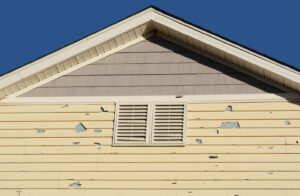
- Fixing minor storm or impact damage
- Repairing isolated paint failure
- Addressing small areas of moisture damage
A siding repair can help extend the life of your exterior when the overall siding system is still performing well. However, repairs are not always enough if the siding has widespread deterioration or underlying water damage.
Underlayment sits beneath the visible roofing material and adds another layer of protection. If shingles are the first defense, underlayment is the backup layer.
Over time, underlayment can wear down, especially if the roof is older or has had repeated moisture exposure. During heavy rain, worn underlayment may allow water to reach the decking or attic.
This is often a sign that the roof system is aging. If the underlayment is failing in multiple areas, roof installation and replacement may be more practical than repeated repairs.
What Is Siding Replacement?
Siding replacement is a more complete exterior improvement project. Instead of patching isolated damage, siding replacement involves removing the existing siding, inspecting the wall assembly underneath, repairing hidden damage if needed, installing a new weather barrier, replacing trim, and installing a new siding system.
Siding replacement is often recommended when the existing siding is failing, outdated, severely weathered, or no longer protecting the home properly.
A professional siding replacement may include:
- Removal of old siding
- Inspection for rot or sheathing damage
- Repair of damaged exterior wall materials
- New house wrap or weather barrier
- Proper flashing around windows, doors, and transitions
- New siding installation
- Window, door, and corner trim replacement
- Caulking and sealing
- Ventilation or rain screen considerations
- Final cleanup and walkthrough
For homes in Kirkland, Bellevue, Redmond, Seattle, and throughout the Eastside, siding replacement can be especially important because moisture damage often develops slowly behind older or poorly installed siding.
When Siding Repair May Be Enough
Siding repair may be the right choice when damage is minor, localized, and not connected to a larger exterior problem. If only one section of siding has been damaged by impact, wind, or a small leak that has been corrected, a targeted repair may restore protection without requiring full replacement.
Repair may be enough if:
- The damage is limited to one small area
- The siding material is still available or can be closely matched
- There are no signs of hidden rot
- The weather barrier behind the siding is still intact
- The siding is relatively new
- The issue was caused by isolated impact or localized wear
- The rest of the home’s exterior is in good condition
For example, if a branch damages a few siding boards or a small section of trim begins to fail, a repair may be the most practical solution. The key is confirming that the problem has not spread behind the siding or affected the structure underneath.
When Siding Replacement Is the Better Choice
Siding replacement is usually the better option when the siding has widespread damage, repeated repair issues, moisture intrusion, or visible signs of aging across multiple areas of the home. In these cases, continuing to patch the siding may cost more over time while leaving the home vulnerable to deeper damage.
Replacement may be recommended if you notice:
- Cracked siding across multiple areas
- Warped or swollen boards
- Soft spots or visible rot
- Siding pulling away from the home
- Peeling paint that returns after repainting
- Mold, mildew, or water stains
- Drafts or poor insulation
- Higher energy bills
- Damaged sheathing behind the siding
- Repeated siding repairs
- Outdated or discontinued siding materials
- Moisture near windows, doors, or trim
If the siding is no longer performing as a protective system, replacement is often the safer long term investment. New siding can improve curb appeal, strengthen moisture protection, reduce maintenance needs, and help protect your home’s structure.
The Biggest Factor: Hidden Moisture Damage
One of the most important reasons to have damaged siding inspected is that moisture problems are not always visible from the outside. Siding can look only slightly worn while water is collecting behind it. Over time, that trapped moisture can damage sheathing, framing, insulation, trim, and interior walls.
In Washington, hidden moisture damage is especially common because homes are exposed to frequent rain, shade, moss growth, and damp conditions. Poor flashing, failed caulking, old house wrap, and improperly installed siding can all allow water to get behind the exterior surface.
Warning signs of hidden moisture damage may include:
- Soft or spongy siding
- Bubbling or peeling paint
- Swollen trim
- Musty odors indoors
- Interior wall stains
- Mold around windows
- Siding that feels loose
- Rot near the base of walls
- Repeated paint failure
- Gaps around window or door trim
If moisture has reached the wall system, a surface repair may not be enough. The damaged area may need to be opened, inspected, repaired, and rebuilt with proper moisture protection.
Repair Costs vs. Replacement Costs
Siding repair usually costs less upfront than siding replacement. If the damage is small and the rest of the siding is in good condition, repair can be a smart and cost-effective choice.
However, repeated repairs can become expensive if the siding system is already failing. If you repair one section now and another section fails a few months later, you may end up spending more over time than you would have with a planned siding replacement.
Siding replacement costs more upfront, but it can provide better long-term value when the existing siding is aging, deteriorated, or allowing moisture into the home. Replacement also gives homeowners the opportunity to update materials, improve curb appeal, address hidden damage, and install a more durable exterior system.
Factors that affect siding repair or replacement cost include:
- Size of the damaged area
- Type of siding material
- Availability of matching materials
- Labor and access requirements
- Number of stories
- Trim and flashing needs
- Rot or sheathing repair
- Weather barrier replacement
- Material choice
- Complexity of the home’s exterior
The best way to compare repair and replacement costs is to schedule an inspection. A siding contractor can determine whether the issue is isolated or part of a larger failure.
Material Matching Can Be a Challenge
One reason siding repair is not always simple is material matching. Older siding may be faded, weathered, discontinued, or difficult to match. Even if a similar product is available, the repaired section may stand out against the older siding.
This is especially common with cedar siding, engineered wood siding, older composite siding, and painted siding that has been exposed to years of rain and sunlight.
If appearance matters and the existing siding is already aging, replacement may provide a cleaner, more consistent result. If the damaged area is small and located in a less visible section of the home, repair may still be practical.
Siding Repair Before Painting
Many homeowners consider exterior painting when siding starts to look worn. Painting can improve the appearance of siding that is still structurally sound, but it will not fix failing siding, hidden rot, or moisture damage.
Before painting, siding should be inspected for:
- Cracks
- Soft areas
- Swelling
- Peeling paint
- Rot
- Loose boards
- Water damage
- Failed caulking
- Damaged trim
If the siding is still in good condition, painting may be enough. If the siding is failing, replacement is usually the better long term solution. Painting over bad siding can hide problems temporarily, but moisture damage will continue behind the surface.
Choosing the Right Siding Material for Replacement
If siding replacement is the better option, material selection becomes an important part of the project. The best siding for Washington homes should offer strong moisture resistance, durability, curb appeal, and manageable maintenance.
Common siding options include:
Fiber Cement Siding
Fiber cement siding is one of the most durable choices for Washington homes. It resists rot, pests, moisture, and fire while offering the look of traditional wood. It is a popular option for homeowners who want long term performance with lower maintenance.
Cedar Siding
Cedar siding provides a natural Pacific Northwest look and works well with many home styles. However, it requires more maintenance than other materials and needs proper sealing, painting, or staining to protect against moisture and rot.
Engineered Wood Siding
Engineered wood siding offers the appearance of wood with improved durability and consistency. It can be a strong option when installed correctly with proper flashing, clearance, and moisture protection.
Composite Siding
Composite siding is designed for durability, weather resistance, and lower maintenance. Product quality varies, but many composite siding systems offer strong performance and design flexibility.
Vinyl Siding
Vinyl siding is often chosen for affordability and low maintenance. It may be an option for some homes, but homeowners should compare appearance, durability, impact resistance, and long-term performance before choosing vinyl over other materials.
Why Professional Inspection Matters
The decision between siding repair and siding replacement should not be based on appearance alone. A professional siding inspection can identify whether the siding problem is cosmetic, isolated, or connected to deeper moisture damage.
A siding contractor can evaluate:
- Overall siding condition
- Age of the material
- Moisture exposure
- Rot or sheathing damage
- Flashing around windows and doors
- Trim condition
- Caulking and sealing
- Weather barrier performance
- Whether repair or replacement is more practical
This helps homeowners avoid unnecessary replacement when a repair is enough and avoid temporary repairs when the home really needs a more complete solution.
Siding Repair vs. Replacement: Which Is Right for Your Home?
Siding repair is usually best when the damage is small, isolated, and the rest of the siding is still protecting the home properly. Siding replacement is usually best when the siding is failing across multiple areas, moisture has reached the wall system, or repairs would only delay a larger problem.
For Washington homeowners, the safest choice is to have siding inspected early. Moisture damage can spread behind the siding before it becomes obvious, and waiting too long can lead to more expensive structural repairs.
Ferdi Roofing and Siding provides siding inspections, siding installation, and siding replacement for homeowners in Kirkland, Bellevue, Redmond, Seattle, Bothell, Kenmore, Woodinville, Sammamish, and surrounding Eastside communities.
If your siding is cracked, warped, soft, swollen, rotting, or showing signs of moisture damage, contact Ferdi Roofing and Siding to schedule a siding inspection and request a free estimate.
Schedule a Siding Replacement, Repair, or Installation
Request a Quote or schedule a professional siding replacement, repair, or installation to understand what’s happening and how to fix it.
Siding Repair vs. Siding Replacement FAQs
Is it better to repair or replace siding?
It depends on the condition of the siding. Repair may be enough for small, isolated damage. Replacement is usually better when siding damage is widespread, moisture has reached the wall system, or the siding is old and repeatedly failing.
How do I know if siding damage is serious?
Siding damage may be serious if you see rot, swelling, soft spots, mold, water stains, loose panels, interior moisture, or repeated paint failure. These signs can indicate water intrusion behind the siding.
Can you replace only one section of siding?
Yes, partial siding replacement may be possible when damage is limited to one area. However, matching older siding can be difficult because materials may be faded, weathered, or discontinued.
Should I replace siding before painting?
If your siding is damaged, rotting, warped, or allowing moisture into the home, it should be repaired or replaced before painting. Paint will not fix structural damage or moisture problems.
What siding material is best for Washington homes?
Fiber cement siding is one of the best siding materials for Washington homes because it performs well in wet climates and resists rot, pests, and long term weather exposure. Engineered wood and composite siding can also be good options when properly installed.
Can damaged siding cause structural problems?
Yes, damaged siding can allow moisture behind the exterior wall system. Over time, this can lead to rot, sheathing damage, mold, insulation problems, and structural deterioration.
How often should siding be inspected?
Homeowners should inspect siding at least once a year and after major storms. In wet climates like Washington, it is smart to schedule a professional inspection if you notice cracks, swelling, loose siding, peeling paint, or signs of moisture.