


Protect your home from moisture, rot, weather exposure, and long term exterior damage with professional siding installation built for the Pacific Northwest climate.
Siding does far more than change how your home looks. It shields the structure underneath from rain, wind, pests, and the year round moisture that defines Western Washington.
Here, the stakes are higher than in drier climates. Frequent rain, damp air, shaded lots, and seasonal moisture mean that when siding is installed incorrectly, water finds its way behind the surface leading to hidden rot, mold, swollen trim, peeling paint, interior wall stains, and repair bills that dwarf the original job.
That’s why we install siding as a complete system, not just a row of boards. Every project accounts for the weather barrier, flashing, trim, caulking, ventilation, and the moisture prone transition points where most failures actually start. The material you choose matters but the details underneath it determine how long your home stays dry.
Siding installation is the process of adding a new exterior siding system to a home, remodel, addition, or exterior upgrade. A proper siding installation includes material selection, house wrap or water resistive barrier, flashing, trim, caulking, ventilation considerations, and finish details that help protect the home from moisture and weather exposure.
Ferdi Roofing & Siding siding installation services are designed for homeowners who want a more durable exterior, better moisture protection, improved curb appeal, and a siding system built for the Pacific Northwest climate.
A siding system performs only as well as the layers and details behind the visible surface. Here’s what goes into doing it right.
We start by matching the siding to your home: its architecture, your budget, your maintenance preferences, and how exposed the exterior is to moisture.
Flashing directs water away from the most vulnerable points on your exterior. Poor flashing is one of the most common reasons siding fails early, so we integrate windows, doors, roof transitions, and penetrations into one continuous line of defense.
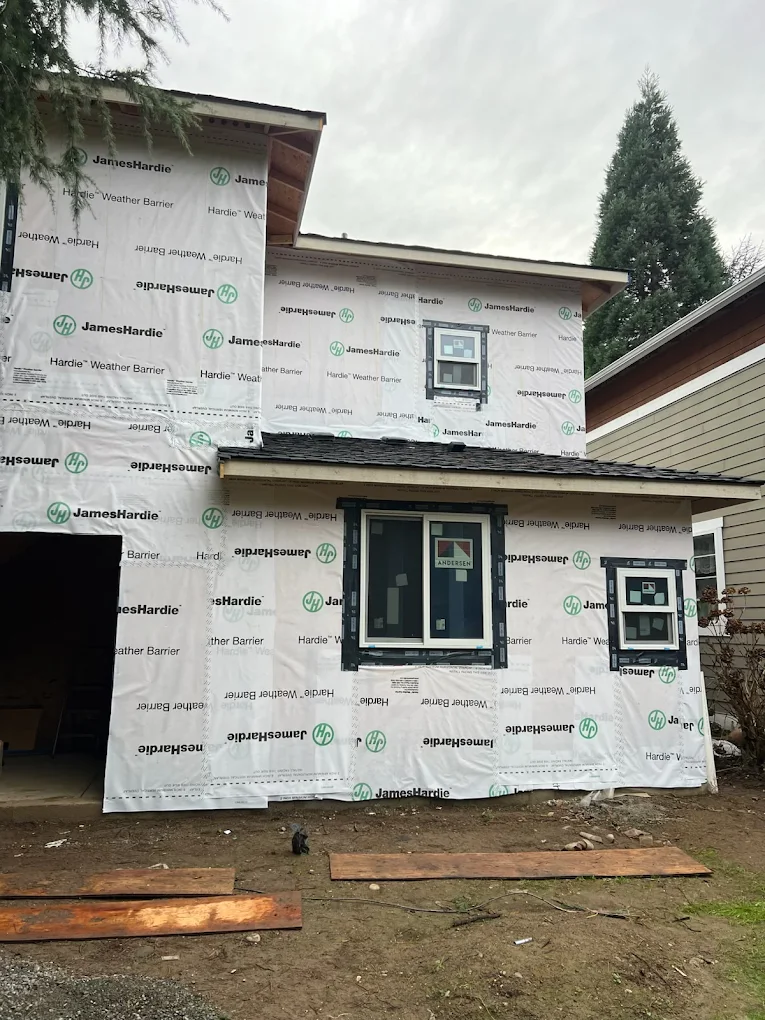
A correctly installed weather barrier blocks water intrusion while letting the wall assembly manage moisture. In our climate, house wrap and flashing tape aren't optional details they're the difference between siding that protects and siding that hides a problem.
Trim around windows, doors, corners, and transitions affects both appearance and performance. We caulk and seal with the right products in the right places supporting the system, never relying on caulk as the only barrier against water.
Our team installs siding systems designed specifically for Washington’s climate, helping homeowners prevent:
The right choice depends on your home, your style, and how much maintenance you want to take on. We’ll walk you through the trade offs honestly.
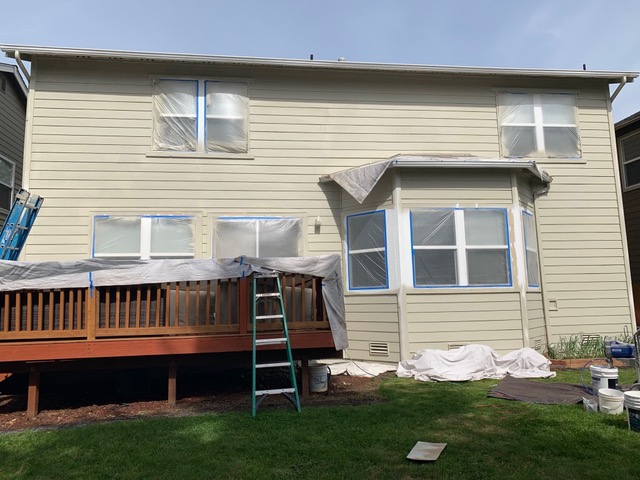
Composite offers a clean, low maintenance exterior with excellent resistance to moisture, impact, and weather. A solid pick for a durable upgrade with long term peace of mind.
The go to for many Washington homes due to being durable, moisture and pest resistant. Capable of mimicking real wood with far less upkeep. Installed with proper clearances, flashing, and paint, it thrives in wet climates.
Engineered wood delivers the look of natural wood with greater consistency and durability, a strong middle ground for homeowners who want the aesthetic with modern performance.
Wood brings natural Northwest warmth and character that suits many architectural styles. It asks for more maintenance such as sealing, staining, and water management to guard against rot, swelling, and pests over time.
The best siding for a Western Washington home needs to do more than look good. With months of rain, damp conditions, wind driven moisture, and seasonal temperature changes, your siding system needs to manage moisture while protecting the structure underneath. Moisture control is especially important in the Pacific Northwest, where exterior wall assemblies need to be designed to both resist water and allow trapped moisture to dry.
The material itself is only part of the equation. Proper installation, flashing, weather resistant barriers, drainage, and ventilation behind the siding are just as important in our climate. A well designed siding system gives rain and moisture a way to drain and the wall assembly an opportunity to dry.
At Ferdi Roofing & Siding, we look at your home’s existing exterior, exposure to weather, architectural style, maintenance preferences, and budget before recommending a siding material. The goal isn’t to sell you the most expensive option. It’s to help you choose siding that looks right on your home and will hold up well in Western Washington for years to come.
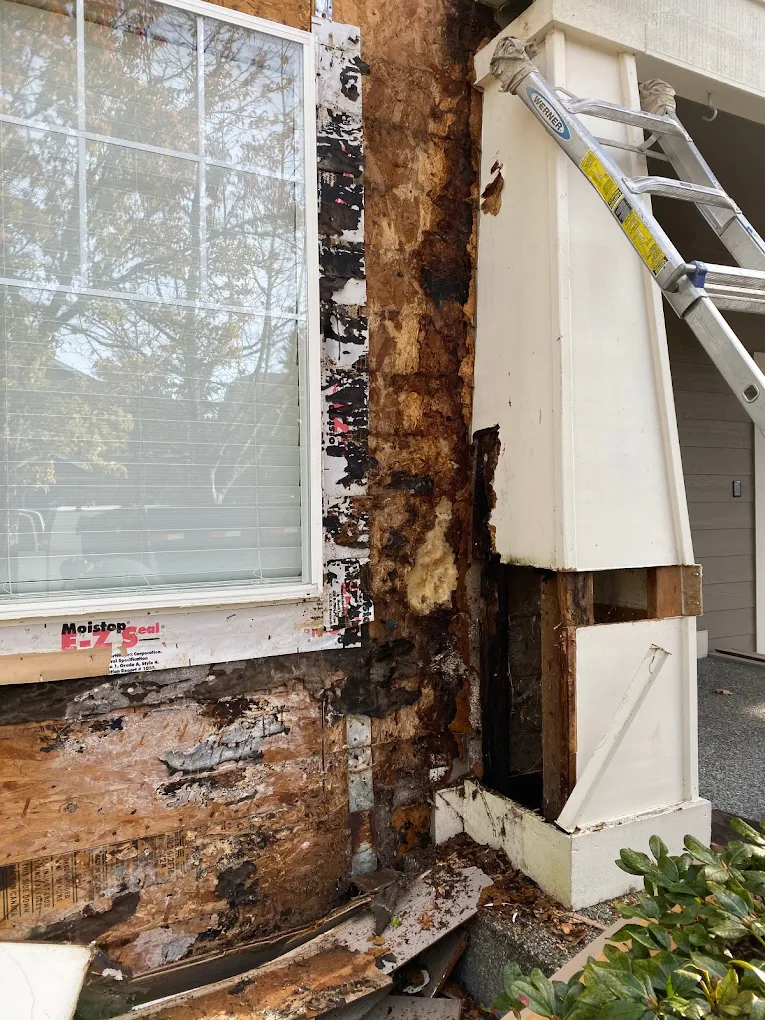
New siding installation tends to make sense when your exterior is outdated, underperforming, or no longer protecting the home the way it should. Homeowners typically reach out when:
If your current siding is already damaged, we’ll inspect the exterior and tell you honestly whether installation, repair, or replacement is the smart next move.
Siding installation is the right fit when you’re adding a new siding system to a remodel, addition, new build, or exterior upgrade. It may also be part of a larger home improvement project where the goal is to improve curb appeal, moisture protection, durability, and long term exterior performance.
If your existing siding is damaged, cracked, rotting, or allowing moisture behind the wall system, you may need siding replacement instead. If the damage is limited to a small area, siding repair may be enough. Ferdi Roofing & Siding can inspect your home and explain which option makes the most sense.
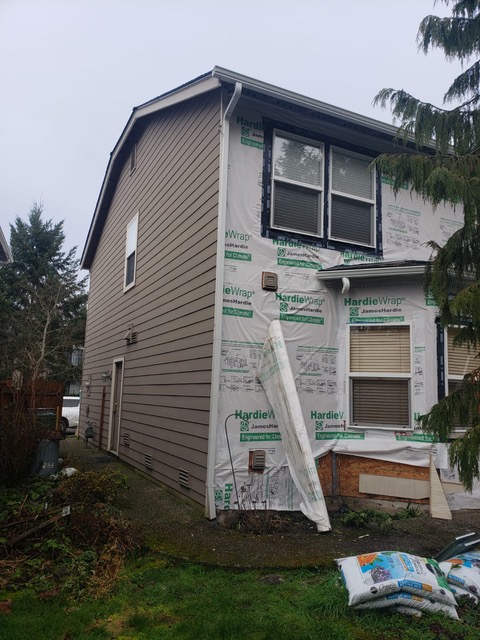
Siding is one of the most important protective layers of your home. When siding is installed correctly, it helps prevent moisture intrusion and protects the structure of the home.
Professional siding installation helps:
Protect Your Home from Moisture
Properly installed siding helps prevent water from entering the exterior structure of the home.
Extend the Life of Exterior Materials
Durable siding systems protect framing, sheathing, and structural components from weather exposure.
Improve Curb Appeal & Protect Home Value
Replacing old or damaged siding can dramatically improve the appearance of your home.
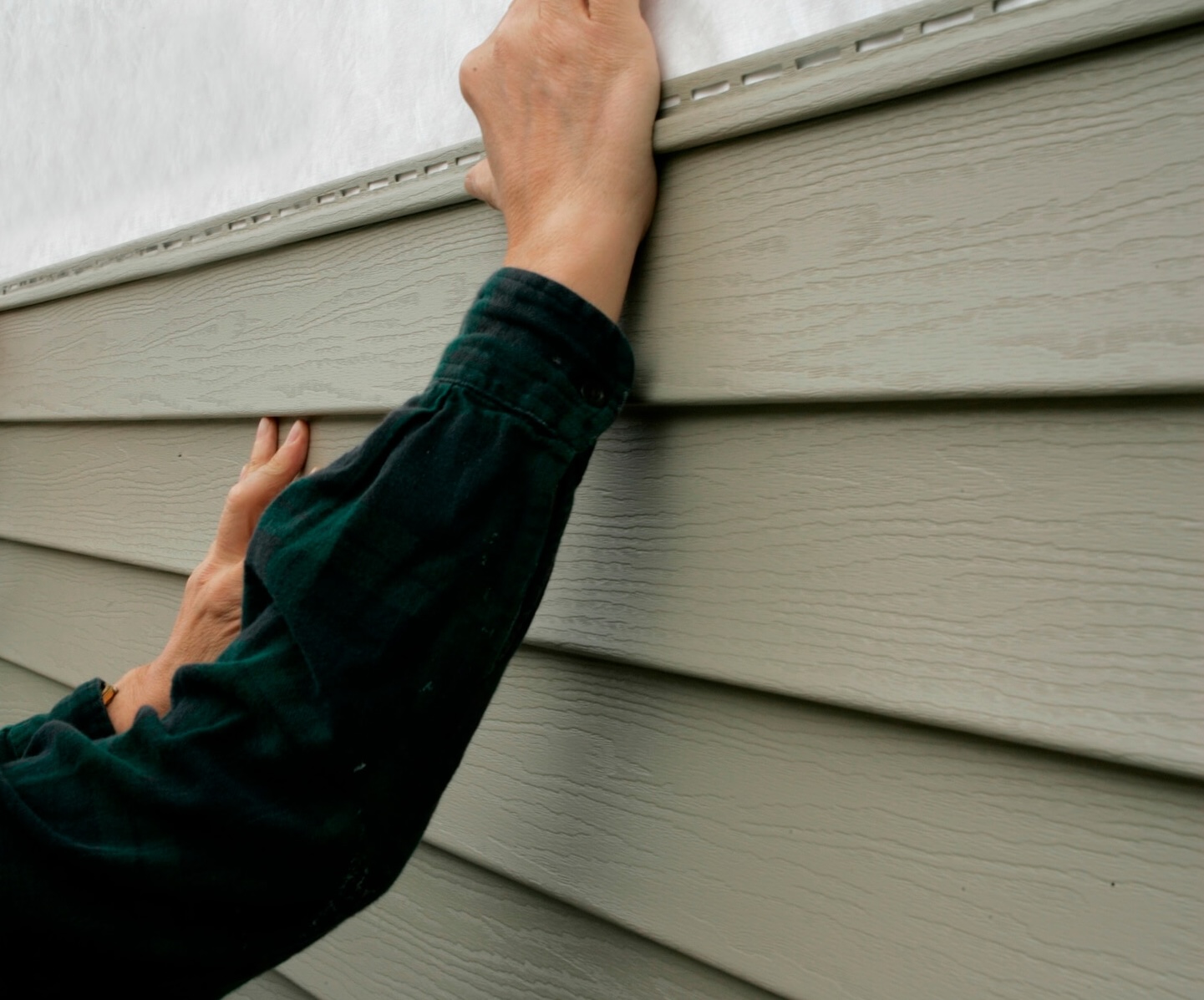
Siding installation cost depends on the size of your home, siding material, number of stories, accessibility, trim complexity, number of windows and doors, roofline transitions, weather barrier needs, and whether existing siding must be removed before installation.
A professional siding installation estimate should clearly explain what is included, including materials, labor, preparation, house wrap or water resistive barrier, flashing, trim, caulking, cleanup, and any potential repair items discovered during the project.
The best way to understand the cost of siding installation for your home is to schedule an inspection and estimate based on your exterior.


 Trustindex verifies that the original source of the review is Google.
 Trustindex verifies that the original source of the review is Google.
 Trustindex verifies that the original source of the review is Google.
 Trustindex verifies that the original source of the review is Google.
 Trustindex verifies that the original source of the review is Google.
 Trustindex verifies that the original source of the review is Google.
 Trustindex verifies that the original source of the review is Google.
 Trustindex verifies that the original source of the review is Google.
 Trustindex verifies that the original source of the review is Google.
 Trustindex verifies that the original source of the review is Google.
Planning a siding project? We’ll inspect your home, explain your options in plain language, and recommend a system built for long term protection with no pressure or obligation.
Material selection, removal of old siding if needed, an exterior wall inspection, house wrap or weather barrier, flashing around windows and doors, trim, caulking and sealing, full cleanup, and a final walkthrough.
Fiber cement siding is a popular choice for Washington homes because it offers durability, moisture resistance, pest resistance, and lower maintenance than traditional wood siding. Wood, engineered wood, and composite siding may also be good options depending on the home and homeowner goals.
The timeline depends on the size of the home, siding material, weather, project complexity, and whether hidden damage is found. A contractor can provide a more accurate timeline after inspecting the home.
Yes. Siding installation can refer to installing new siding on a remodel, addition, new construction project, or exterior upgrade. Siding replacement usually involves removing old siding, inspecting for damage, and installing a new siding system.
Yes, when installed correctly. New siding, proper flashing, house wrap, trim, and weather barrier details can help reduce moisture intrusion and protect the exterior wall system.
In many siding installation or replacement projects, house wrap or weather barrier should be inspected and replaced if it is damaged, missing, or no longer performing properly. This layer is important for moisture protection.
New siding may help improve comfort when it reduces gaps, drafts, and exterior deterioration. Energy performance can also depend on insulation, air sealing, windows, doors, and the condition of the wall system.
In most cases, the roof should be replaced before the siding. Roofing work can affect flashing, gutters, roof to wall connections, and other areas where the roof meets the exterior walls. Completing the roof first helps make sure those details are properly integrated before new siding is installed.
There are exceptions, especially when siding damage is causing active water intrusion or when both projects are being completed as part of a larger exterior renovation. In those cases, the roofing and siding work should be planned together so flashing, moisture barriers, and drainage systems all work as one system.
If you’re replacing both, we can evaluate the condition of your roof and siding and recommend the right order based on your home, budget, and any existing water damage.
Yes. Gutters help move water away from the roofline and siding. If gutters are leaking, sagging, or overflowing, they can damage new siding over time. Gutters should be inspected as part of the exterior system.
In Western Washington, late spring through early fall is typically the best time to replace siding, when temperatures are milder and there are more stretches of dry weather. These conditions can make installation easier and help keep the home protected while sections of the exterior are temporarily exposed.
That said, siding replacement doesn’t have to be limited to summer. An experienced siding contractor can complete projects throughout much of the year by planning around weather conditions and properly protecting exposed areas during installation.
More important than choosing a specific month is addressing damaged siding before moisture has a chance to reach the wall assembly underneath. If you’re seeing cracked or loose siding, soft spots, rot, swelling, peeling paint, or signs of water intrusion, it’s usually better to have the problem evaluated rather than waiting for the “perfect” season.
If your siding is nearing the end of its life, planning the project ahead of the wetter months can also help protect your home before another Western Washington rainy season.
Ferdi Roofing & Siding provides siding installation for homeowners in Kirkland, Bellevue, Redmond, Seattle, Bothell, Woodinville, Kenmore, Sammamish, Issaquah, Newcastle, and nearby Eastside communities.
Ferdi Roofing & Siding installs siding throughout Kirkland, Bellevue, Redmond, Seattle, Bothell, Kenmore, Woodinville, Sammamish, Issaquah, Newcastle, and nearby communities. Local experience means we understand the specific challenges our homes face such rain exposure, shaded lots, aging exteriors, failing paint, roofline drainage, and the hidden moisture damage that comes with all of it.
We regularly work with homeowners in: