


Ferdi Roofing & Siding provides siding repair for homeowners throughout Kirkland, Bellevue, Redmond, Seattle, and surrounding Eastside communities.
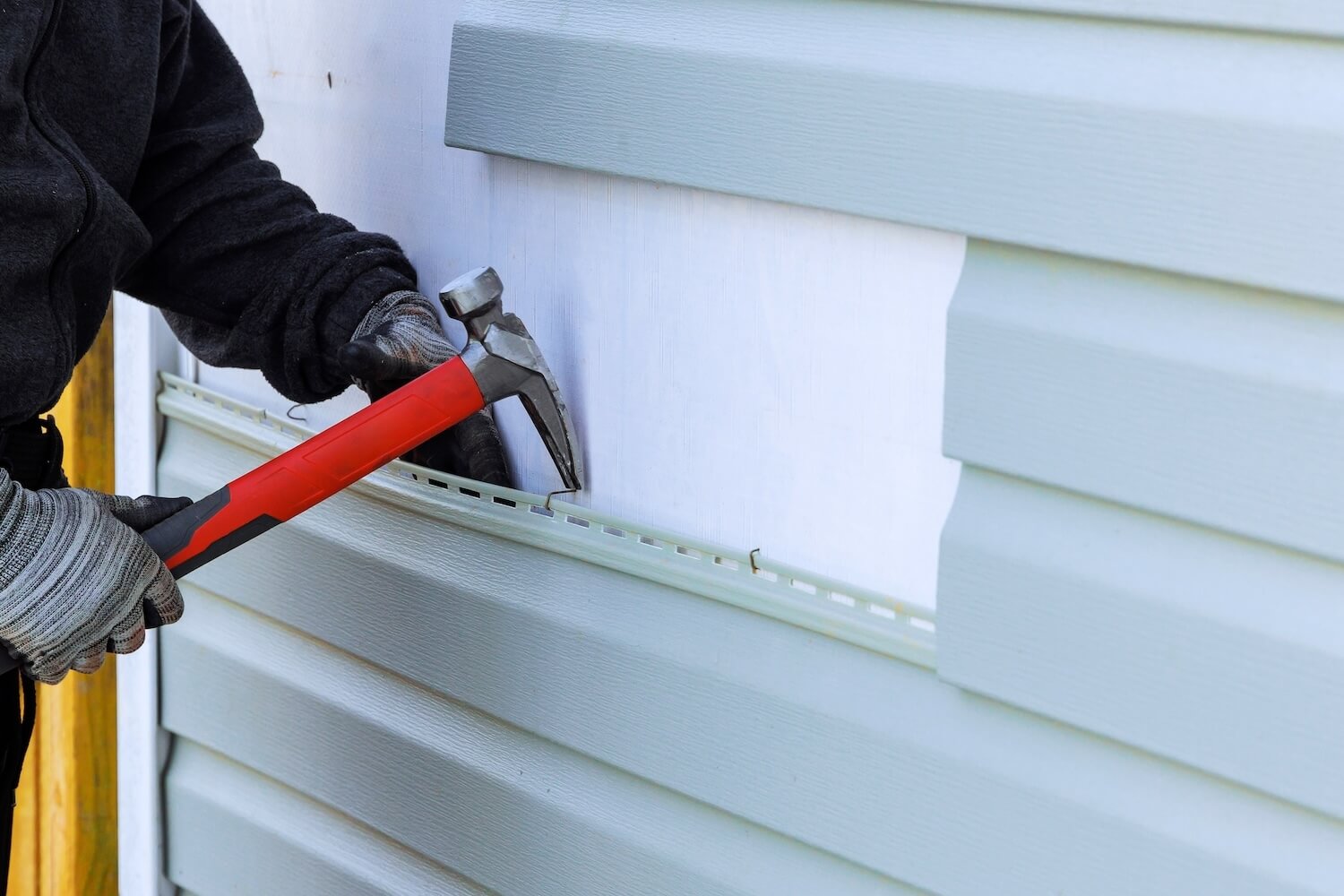
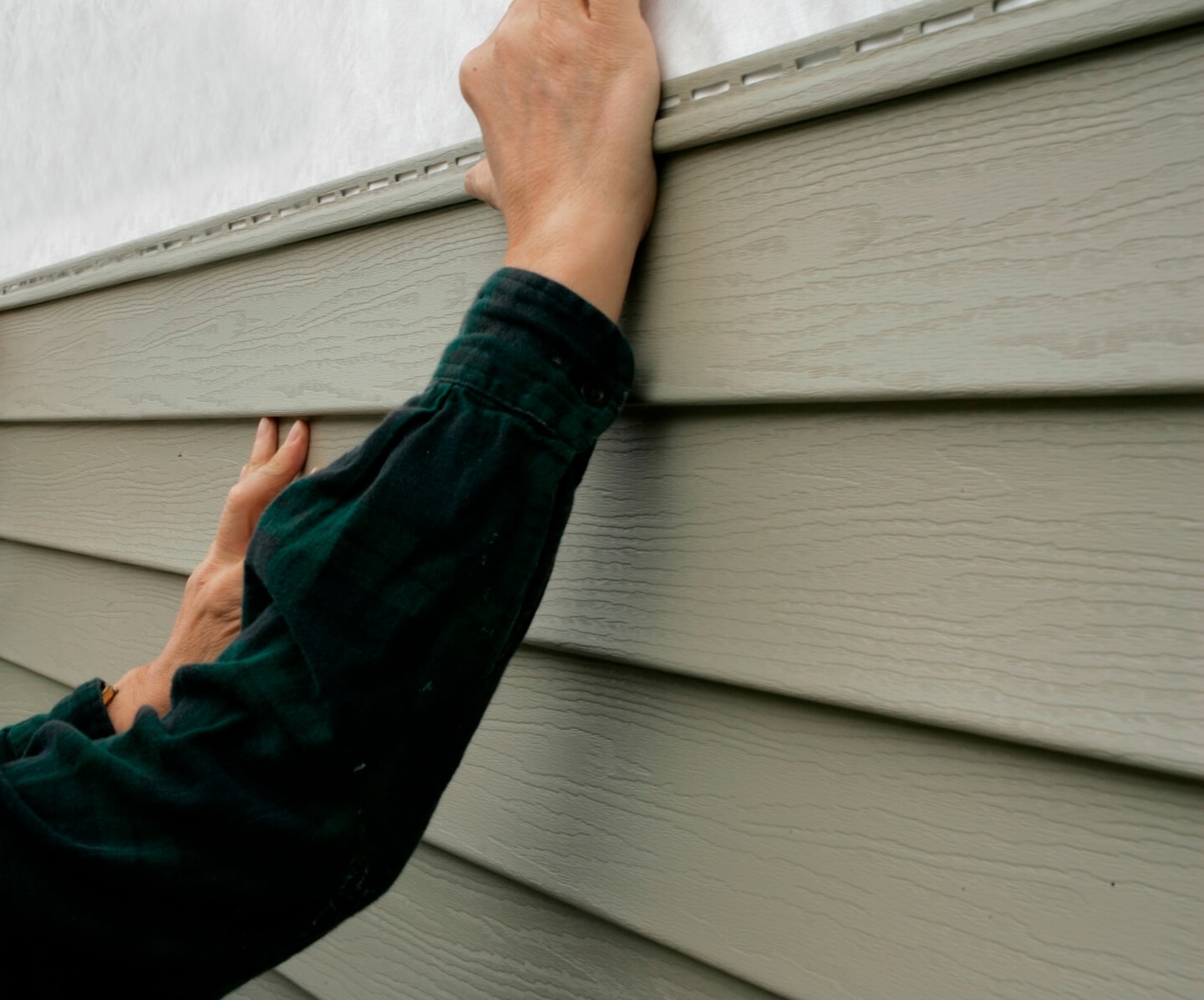
Yes. Many siding problems can be repaired when damage is localized and the surrounding siding and wall system remain in good condition.
You may only need repair if:
One or several boards are cracked
A panel has come loose
A small section has been damaged by impact
Limited wood rot is present
Trim has failed around a window or door
Caulking or flashing has failed in one location
A roof-to-wall transition is allowing moisture into one section
Damage has not spread into surrounding sheathing or framing
Full replacement becomes more likely when siding is failing across multiple elevations, moisture damage is widespread, the existing siding has reached the end of its useful life, or repeated repairs are no longer solving the underlying problem.
Read our full comparison of siding repair vs. siding replacement.
Siding repair is a targeted solution for homes with localized exterior damage when the entire siding system is still in good condition. Rather than removing and replacing all of the siding, repair work focuses on identifying damaged areas, removing the compromised materials, and seamlessly integrating new siding with the existing exterior.
Contact a siding contractor if you notice:
Cracks can allow water to reach materials behind the exterior surface, especially when they occur around joints, windows, corners, and other exposed locations.
Swelling can indicate moisture absorption or water getting into an area where it cannot drain properly.
Discoloration can indicate persistent dampness and deserves a closer look when it returns after cleaning.
Soft spots usually indicate that moisture has affected the wood.
Wind, fastening problems, impact, or aging can cause siding to separate from the home.
Water staining on interior walls near exterior openings can indicate a problem that extends beyond the visible siding.
Paint failure can be cosmetic, but repeated peeling in the same location may point to moisture moving through or behind the material.
Failed caulking, trim, or flashing around openings can create paths for water to enter the wall.
Where roofing terminates against siding is a particularly important area for flashing and water management.
We pay particular attention to:
Manufacturer installation guidance reinforces how important these junctions are.
For example, James Hardie specifically provides guidance for flashing at lap siding joints, while LP SmartSide installation resources emphasize clearances and flashing details that help water escape instead of becoming trapped behind the exterior.
The best repair approach depends on what is currently installed and what caused the damage.
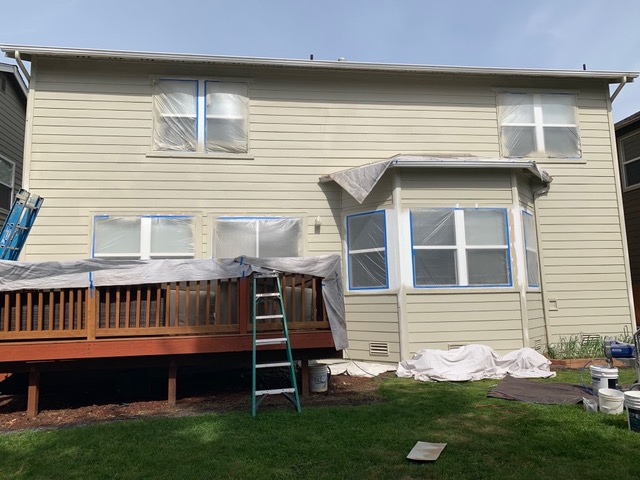
Fiber cement is durable, but individual boards can still crack, chip, loosen, or become damaged by impact or incorrect installation.
A repair may involve:
For James Hardie systems, repair and replacement details should follow current manufacturer installation guidance. James Hardie publishes specific technical documentation covering clearances, flashing, fastening, and installation requirements.
Learn more about James Hardie siding.
Wood siding can often be repaired when rot or splitting is limited to individual boards.
The important part is determining why the wood failed.
Possible causes include:
If rot has spread through many areas of the exterior, replacement may ultimately provide better long term value.
Localized engineered wood damage may be repairable depending on the product, location, and condition of surrounding materials.
Manufacturer requirements are especially important because engineered siding products can have product specific flashing, spacing, fastening, and clearance instructions. LP, for example, publishes detailed water management and installation guidance for its SmartSide systems.
Composite siding repair depends heavily on the exact product and whether compatible replacement material remains available.
We first identify the material and determine whether a localized repair can be completed without creating a larger exterior issue.
James Hardie fiber cement is common on newer and remodeled Northwest homes.
Typical repair concerns can include:
Hardie’s own re-siding process emphasizes the role of both weather barriers and flashing as part of exterior water management rather than treating siding as an isolated surface.
That same principle matters during repair.
Replacing a board is useful only if the surrounding assembly is functioning correctly.
Often, yes. Partial siding replacement can be a practical option when the damage is limited to a specific area, the remaining siding is in good condition, and compatible replacement materials are available. It's also important that the wall behind the damaged section remains structurally sound and that the repair does not disrupt the home’s existing moisture management system. When these conditions are met, a targeted repair can help homeowners avoid the cost of replacing an exterior that may still have many years of useful life left.
Sometimes. Matching replacement siding depends on the manufacturer, product line, board profile, width, texture, thickness, age, existing paint or finish, and whether the original product is still being made. Even when the material can be matched, older siding may have faded or weathered over time, which can make a new board more noticeable. Painting a larger section after the repair can sometimes create a more consistent finished appearance. Ferdi also provides exterior painting when a project needs broader exterior finishing.
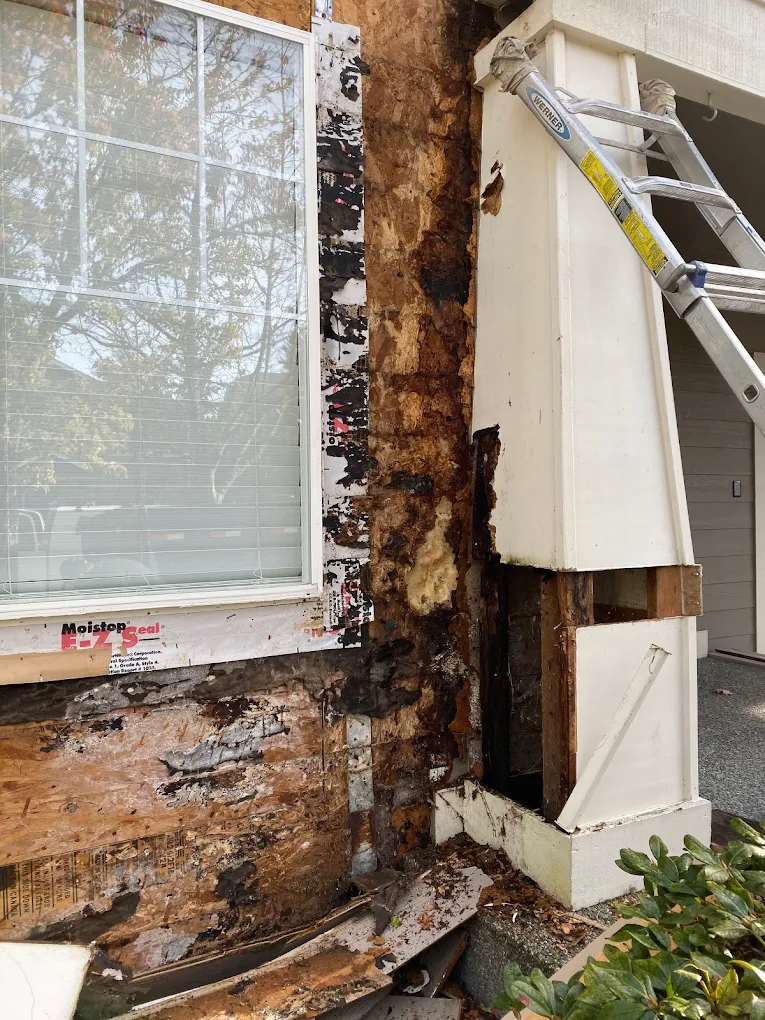
Siding repair should involve more than simply patching the visible surface. Once damaged siding is removed, we may find deteriorated sheathing, a damaged weather barrier, soft wood, failed flashing, water staining, insulation damage, or framing concerns. The extent of what’s found determines the next step: a small affected area may be repairable, while extensive deterioration can turn a localized repair into a broader wall or siding replacement project. We’ll explain what we find and discuss your options before moving forward with any work outside the agreed scope.
Yes. The exterior wall needs a functioning water resistive barrier or drainage plane behind the siding. The Department of Energy explains that this drainage layer provides a path for water that gets past exterior cladding to move safely down and away from the wall.
During siding repair, the exposed weather barrier should be evaluated and repaired as necessary rather than simply covering damaged material with a new siding board.
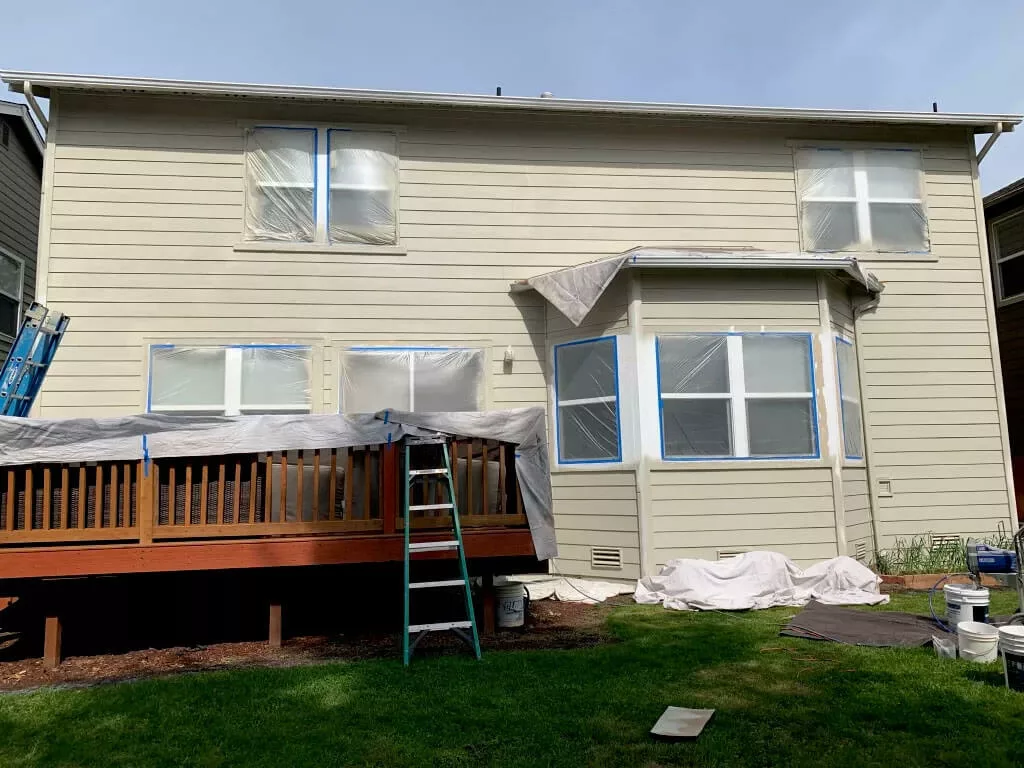
→ Damage is limited to a specific location
→ Surrounding materials remain sound
→ The siding still has usable life
→ There is no widespread moisture damage
→ Matching material is available
→ The source of the problem can be corrected
→ Damage is spread across multiple walls
→ Boards are failing in many locations
→ Rot has spread behind the siding
→ The weather barrier has widespread failure
→ The siding is nearing the end of its useful life
→ Paint repeatedly fails
→ Repairs are becoming frequent
→ The existing material is no longer practical to maintain
EXCELLENT Based on 152 reviews
 Posted on Google
 Charitha KankanamgeOne of my neighbors recommended Ferdi after they did great work on their place, so I added them to my shortlist of roofers. After checking reviews and quotes, I went with them. They were solid on quality and a bit cheaper than the others. They put my new roof on back in January, right in the middle of winter. JD, who runs the show, came out quick, walked me through everything, and answered all my questions without rushing. Crew kicked off a week later and wrapped it up in three days. They kept me posted with updates and pics along the way, and payment was straightforward at the end, no headaches. I'd recommend them to anyone needing roof work done right.Posted on Google
 Shirley JanelleFerdi Roofing & Siding did a very professional asphalt roof replacement for our home. JD handled the inspection and took his time explaining what needed to be done without rushing us. The installation was supervised by Victor, who clearly kept a close eye on quality. The crew worked efficiently and stayed focused throughout the project. We appreciated how smoothly everything ran and how organized the job site stayed. There were no delays or confusion. The final roof looks even, strong, and well-finished. We’re very satisfied with the work.Posted on Google
 Victor SimpsonFor insulation replacement, Ferdi Roofing & Siding delivered exactly what they promised. JD conducted a detailed inspection and explained where insulation was failing and how it could be improved. The installation was done efficiently, and we noticed a difference in indoor comfort almost immediately. Our home now maintains temperature better, and energy costs have improved. Excellent service backed by real expertisePosted on Google
 Andrew ShusterOur exterior painting project was handled very well by Ferdi Roofing & Siding. Dixon Villeda supervised the entire job and ensured quality at every step. The prep work was thorough, and the paint application was smooth and even. The crew worked efficiently and stayed on schedule. The new paint significantly improved our home’s appearance. Everything looks clean and professionally finished. We’re very happy with the results.Posted on Google
 Melissa WatkinsWe hired Ferdi Roofing & Siding to replace our siding, and the results are excellent. JD helped us understand the siding options and made helpful recommendations. The installation was led by Oscar, who showed excellent craftsmanship. The siding lines are straight, clean, and well finished. The crew worked carefully and respected our property. The home looks completely refreshed. We are extremely pleased with the final result.Posted on Google
 Diana RobertsOur new gutters were installed by Mr. Muller, and the work was done very well. The installation was clean and quick. The gutters function perfectly now. Great service.Posted on Google
 Brian SheltonFerdi Roofing & Siding handled our gutter replacement professionally. Mr. Muller inspected the existing system and explained what needed to be improved. The installation was done efficiently, and the gutters were properly aligned and secured. The crew worked cleanly and finished on schedule. After installation, water flow improved immediately. Even during heavy rain, everything drains perfectly. We are very satisfied with the quality of work and service.Posted on Google
 Barbara ZieglerWe had a metal roof installed by Ferdi Roofing & Siding, and the quality is excellent. Diogo supervised the job and made sure everything was done correctly. The roof looks great and feels very solid.Posted on Google
 Marilyn HunterOur metal roof replacement with Ferdi Roofing & Siding went extremely well. JD inspected the structure and explained the metal roofing options clearly. The installation was supervised by Kleber, who showed strong attention to detail throughout the process. The panels were installed evenly and finished cleanly. The crew worked efficiently and followed safety standards at all times. Communication was clear from start to finish. The final roof looks durable, modern, and very well installed. Excellent work overall.Posted on Google
 Kevin RamirezWe chose Ferdi Roofing & Siding for our asphalt roof replacement and are very satisfied with the results. JD inspected the roof carefully and explained the condition in a way that was easy to understand. The installation was supervised by Victor, who stayed on top of every detail. The crew worked steadily and kept everything organized throughout the project. We appreciated how clean the job site was kept each day. There was no confusion or wasted time. The finished roof looks even, strong, and professionally done. Overall, the process was smooth and stress-free.Verified by TrustindexTrustindex verified badge is the Universal Symbol of Trust. Only the greatest companies can get the verified badge who has a review score above 4.5, based on customer reviews over the past 12 months. Read more
We provide residential siding repair throughout:
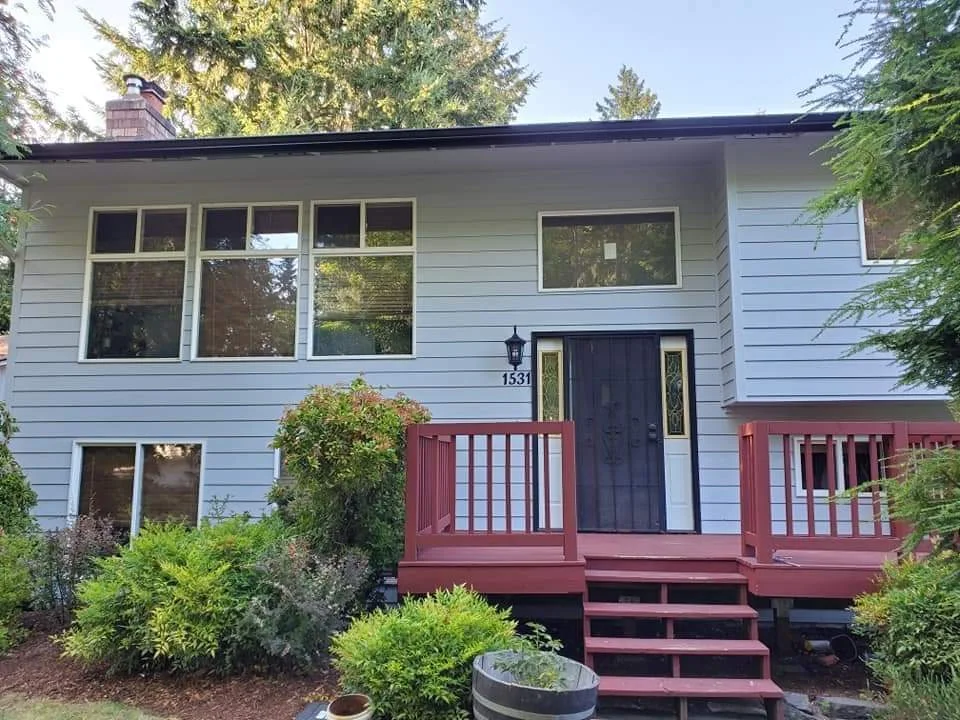
Not every damaged board means you need a full re-side.
Tell us what you’re seeing and we’ll help determine whether repair, partial replacement, or full siding replacement makes the most sense for your home.
Yes. Localized cracks, impact damage, loose boards, minor rot, or isolated flashing problems can often be repaired when the surrounding siding and wall assembly remain in good condition.
Repair generally makes sense when damage is isolated. Replacement becomes more practical when deterioration affects multiple areas, water has spread behind the siding, the material is failing repeatedly, or the siding has reached the end of its useful life.
Cost depends on siding material, repair size, height, access, matching materials, painting, flashing, weather barrier damage, and whether hidden rot is discovered. A site inspection is the most reliable way to determine the actual repair cost.
Often, yes. A single damaged board or panel can sometimes be replaced without disturbing the rest of the exterior if a compatible material is available and the wall underneath is sound.
Localized fiber cement damage may be repairable through board replacement or another manufacturer appropriate repair method. The surrounding siding, fastening, flashing, and weather barrier should also be evaluated.
Yes, depending on the type and extent of damage. Replacement boards and repair details should follow current James Hardie installation requirements, particularly around fastening, clearances, joints, and flashing.
Yes, if rot is limited to a small area and the underlying wall remains sound. The source of moisture needs to be corrected at the same time or the replacement wood may eventually develop the same problem.
Often, yes, but the damaged siding usually needs to be removed so the condition of the sheathing, weather barrier, insulation, or framing can be evaluated. The repair scope depends on how far the moisture has spread.
Sometimes. Matching depends on manufacturer, profile, texture, dimensions, product availability, and how much the existing siding has faded or weathered.
Yes, when weather conditions allow safe installation and proper protection of exposed walls. Active leaks or water intrusion should generally be evaluated rather than left untreated until summer.
Repair is usually worthwhile when damage is localized and the overall siding system still has substantial useful life. Repeatedly repairing widespread deterioration may be less cost effective than replacement.
Fix the source of water intrusion first. If roofing or roof to wall flashing is causing siding damage, that problem should be corrected before the final siding repair.
Yes. Overflowing or poorly directed gutters can repeatedly send water over siding, trim, fascia, and other exterior surfaces. If drainage is contributing to the damage, the gutter issue should be corrected as part of the overall solution.
Yes, depending on the scope. These locations deserve extra attention because siding, trim, flashing, and the weather resistive barrier all need to work together to direct water away from the wall.
Replacement is usually a better option when damage is widespread, many boards are deteriorating, hidden moisture damage extends across the wall system, compatible material is unavailable, or repair costs are becoming repetitive.