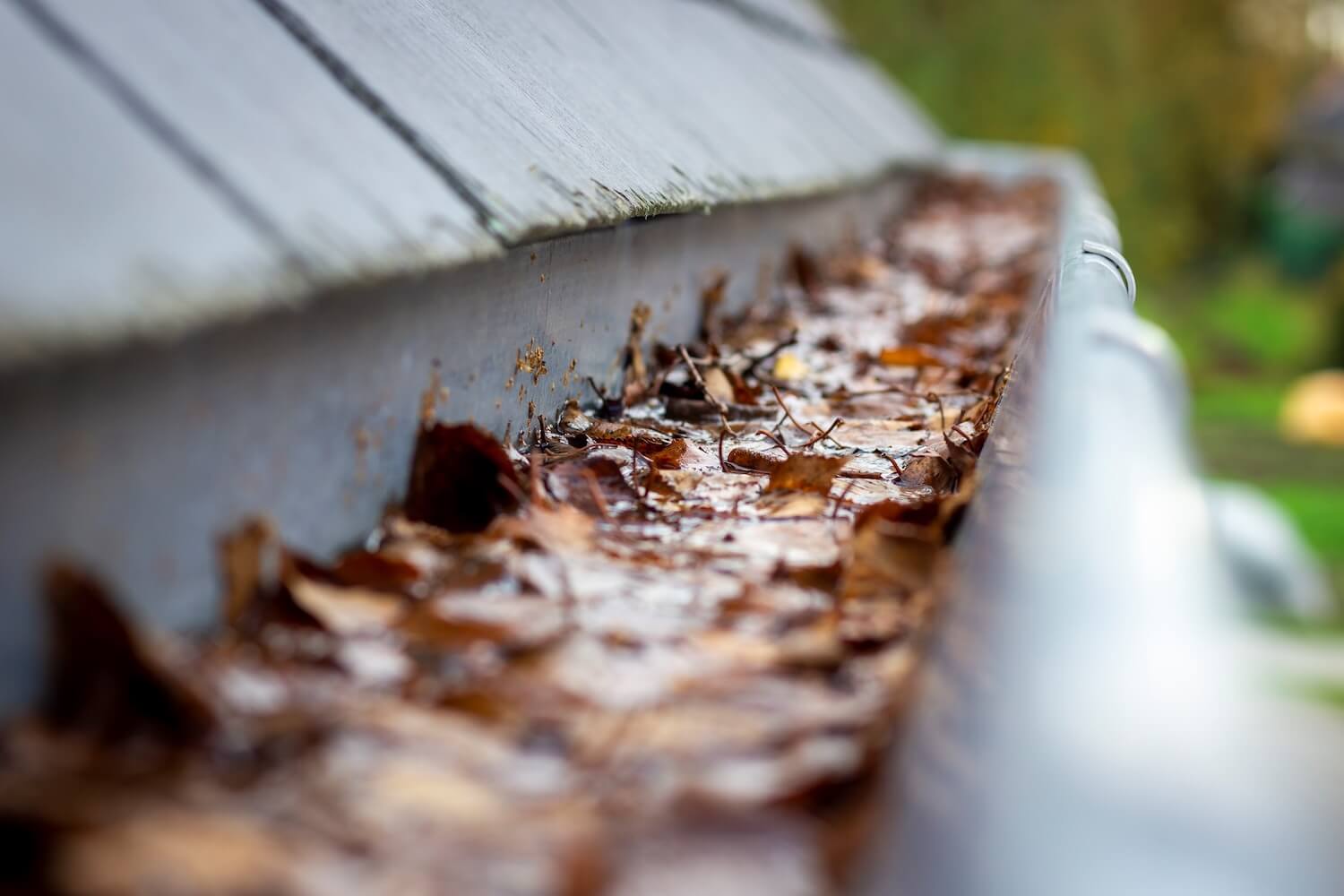
Can Bad Gutters Damage Your Roof and Siding?
Bad gutters can absolutely damage your roof and siding. When gutters are clogged, leaking, sagging, undersized, or pulling away from the home, they can send water into places it was never meant to go. Over time, that water can affect your roof edges, fascia, soffits, siding, trim, foundation, and even the wall system behind your home’s exterior.
For homeowners in Western Washington, gutter problems are especially important to take seriously. With frequent rain, damp weather, moss, tree debris, and long wet seasons, a small gutter issue can turn into roof or siding damage faster than many homeowners expect.
If you’re seeing water spill over your gutters, stains on your siding, soft trim, peeling paint, or moisture near your roofline, your gutters may be part of the problem.
Quick Answer: Yes, Bad Gutters Can Damage More Than Your Drainage System
Gutters are designed to collect rainwater from your roof and move it safely away from your home. When they stop doing that, water can overflow, back up, leak behind the gutters, or run directly down the siding.
That can lead to roof edge damage, rotting fascia, damaged soffits, siding stains, hidden moisture behind siding, foundation issues, and exterior trim damage.
In other words, gutters are not just an add-on. They are part of the home’s exterior water management system.
How Gutters Protect Your Roof and Siding
A properly working gutter system helps control where rainwater goes after it leaves the roof. Instead of allowing water to pour directly off the roofline, gutters catch the runoff and direct it through downspouts away from the home.
This protects several key parts of the exterior, including:
- Roof edges
- Fascia boards
- Soffits
- Siding
- Exterior trim
- Windows and doors
- Foundation areas
- Landscaping near the home
When gutters are installed correctly and draining properly, they help reduce the amount of water that touches the siding and lower exterior walls. They also help prevent water from sitting near the roof edge, where it can contribute to rot, leaks, and long term damage.
What Happens When Gutters Stop Working Properly
Gutters can stop working for several reasons. They may be clogged with leaves, pine needles, moss, or roof debris. They may be sagging from age or weight. Seams may start leaking. Downspouts may be blocked. Gutters may pull away from the fascia. In some cases, the gutters are simply too small or poorly placed for the roofline they are supposed to serve.
When that happens, water no longer flows the way it should. Instead, it may:
- Spill over the front of the gutter
- Leak behind the gutter
- Pool near the roof edge
- Run down the siding
- Collect around windows and doors
- Saturate fascia and trim
- Drain too close to the foundation
The longer this continues, the more likely it is that the damage spreads beyond the gutter system.
How Bad Gutters Can Damage Your Roof
One of the most common ways bad gutters damage a home is by affecting the roof edge. When gutters are clogged or not draining, water can back up along the lower edge of the roof. This can soak the fascia, affect the roof decking near the edge, and increase the risk of leaks.
Bad gutters can also make existing roof problems worse. If flashing, shingles, or roof edges are already vulnerable, overflowing water can add more moisture to those weak points.
Roof related problems caused or worsened by bad gutters may include:
- Rotting fascia boards
- Damaged roof decking near the edge
- Water backing up under shingles
- Leaks near eaves or overhangs
- Mold or mildew near roof edges
- Damaged soffits
- Staining under the roofline
- Premature wear around gutters and drip edges
If you notice water marks under your eaves, peeling paint near the roofline, or soft wood around the fascia, the gutters should be inspected along with the roof.
How Bad Gutters Can Damage Your Siding
Bad gutters can also cause serious siding problems. When water spills over the gutter or leaks from the back side, it often runs down the face of the siding. Over time, this can lead to staining, paint failure, swelling, warping, rot, and moisture behind the siding.
This is especially concerning in Western Washington because homes already deal with long periods of wet weather. If siding does not get a chance to dry properly, moisture can become trapped behind the exterior surface.
Gutter related siding damage may include:
- Dark streaks or staining on siding
- Mold or mildew growth
- Peeling paint
- Bubbling or blistering finish
- Soft or rotting siding boards
- Warped siding
- Loose siding panels
- Damaged trim around windows and doors
- Moisture behind siding
- Interior wall stains near exterior walls
If the siding damage appears directly below a gutter, near a downspout, or under a roof valley, the gutter system may be contributing to the problem
Other Exterior Problems Caused by Bad Gutters
Gutter problems often affect more than just the roof and siding. Because water follows gravity, drainage issues can spread to multiple parts of the exterior.
Fascia and Soffit Damage
The fascia is the board that runs along the roofline where many gutter systems are attached. If gutters clog, sag, or pull away, water can soak into the fascia. Over time, this can cause rot, softness, peeling paint, and structural weakness.
Soffits can also be affected when water backs up or leaks near the roof edge. Damaged soffits may show staining, swelling, peeling paint, or ventilation problems.
Foundation and Drainage Problems
Gutters are supposed to move water away from the base of the home. If downspouts are blocked, disconnected, or draining too close to the house, water can collect near the foundation.
This can contribute to soil erosion, basement moisture, crawlspace dampness, foundation staining, and drainage problems around the home.
Window and Door Trim Damage
When water runs down siding repeatedly, it often collects around windows and doors. If caulking, trim, or flashing is already weak, water can enter around these openings and cause hidden damage.
Signs may include peeling paint, swollen trim, soft wood, stains below windows, or moisture inside the home.
Mold, Mildew, and Staining
Poor gutter drainage can keep parts of the exterior wet for too long. This creates the right conditions for mold, mildew, algae, and dark staining. While staining may look cosmetic at first, it can also be a sign that water is not moving away from the home properly.
Signs Your Gutters May Be Damaging Your Home
You don’t have to climb on your roof to spot possible gutter problems. Many warning signs are visible from the ground.
Watch for:
- Water spilling over the gutters during rain
- Gutters pulling away from the roofline
- Sagging or uneven gutter sections
- Leaking gutter seams
- Stains on siding below gutters
- Peeling paint near fascia or trim
- Soft or rotting fascia boards
- Mold or mildew on siding
- Water pooling near the foundation
- Soil erosion under the roofline
- Downspouts draining too close to the home
- Loose siding near roof edges
- Interior moisture stains near exterior walls
- Overflow near roof valleys or corners
If several of these signs are present, it may be time to have the gutters, roof, and siding inspected together.
Should You Repair or Replace Bad Gutters?
Some gutter problems can be repaired. For example, a small leak, loose bracket, clogged downspout, or separated seam may be fixable if the rest of the system is in good condition.
Gutter replacement may be the better option when the system is old, sagging, undersized, rusting, pulling away from the home, or failing in multiple places. Replacement may also make sense if the gutters have already contributed to siding, fascia, or roof damage.
Repair may be enough when:
- The gutters are mostly in good condition
- The problem is limited to one section
- A downspout is clogged or disconnected
- A small seam or joint is leaking
- The pitch can be corrected
Replacement may be better when:
- Gutters overflow frequently
- Multiple sections are sagging or leaking
- Gutters are pulling away from the fascia
- The system is too small for the roofline
- Water keeps running down the siding
- Fascia or roof edge damage is already present
- The gutters are old or visibly deteriorating
A contractor can help determine whether the gutter issue is isolated or part of a larger exterior problem.
Why Roof, Siding, and Gutters Should Be Inspected Together
Your roof, siding, gutters, fascia, soffits, flashing, trim, windows, and doors all work together to protect the home from water. When one part fails, another part of the exterior often absorbs the damage.
For example, a clogged gutter may cause water to overflow onto the siding. A failing downspout may direct water toward the foundation. A roof flashing issue may look like siding damage. Damaged fascia may make it harder for gutters to stay attached properly.
That is why it is helpful to work with a contractor who understands the full exterior system. Instead of only replacing a damaged gutter, the contractor can check whether water has affected the roof edge, siding, trim, or areas behind the exterior surface.
This matters because replacing gutters without addressing damaged fascia or siding may not fully solve the problem. The best repair plan starts with understanding where the water is coming from and where it is going.
Get Help With Gutters, Roofing, and Siding
If your gutters are overflowing, leaking, sagging, or sending water down your siding, it is worth having the exterior inspected before the damage spreads.
Ferdi Roofing & Siding helps homeowners in Kirkland, Bellevue, Seattle, Redmond, Bothell, Woodinville, Kenmore, Sammamish, Issaquah, Newcastle, and nearby communities with gutter installation and replacement, roof repair, roof inspections, siding installation, siding replacement, and exterior remodeling services.
Contact Ferdi Roofing & Siding to request a quote and find out whether your home needs gutter repair, gutter replacement, roof work, siding work, or a full exterior inspection.
Bad Gutter FAQs
Can clogged gutters cause roof leaks?
Yes. Clogged gutters can cause water to back up near the roof edge. Over time, this may contribute to damaged fascia, roof decking issues, and leaks near eaves, overhangs, or roof edges.
Can bad gutters damage siding?
Yes. When gutters overflow or leak, water can run down the siding. This can lead to staining, peeling paint, warping, rot, mildew, and moisture behind the siding.
How do I know if my gutters are damaging my home?
Common signs include overflowing water, sagging gutters, stains on siding, peeling paint near the roofline, soft fascia, water pooling near the foundation, and mold or mildew on exterior walls.
Should I replace my gutters before replacing siding?
If your gutters are failing, they should be inspected before or during a siding replacement project. New siding can still be damaged if old gutters continue to overflow, leak, or drain improperly.
Can bad gutters damage fascia and soffits?
Yes. Gutters are often attached to the fascia. When they leak, overflow, or pull away, water can soak into the fascia and nearby soffits, causing rot, peeling paint, staining, and deterioration.
Are gutter problems common in Western Washington?
Yes. Western Washington’s rain, moss, tree debris, and damp weather can make gutter problems more common. Regular cleaning and inspections can help prevent water damage.
How often should gutters be cleaned?
Many homes need gutter cleaning at least once or twice a year, especially if they are near trees. Some homes may need more frequent cleaning depending on roof shape, tree coverage, and debris buildup.
When should gutters be replaced instead of repaired?
Gutters may need to be replaced if they are sagging, rusting, pulling away from the home, leaking in multiple areas, overflowing often, or too small for the roofline.
Can gutters cause foundation problems?
Yes. If gutters or downspouts drain water too close to the home, water can collect around the foundation. This may contribute to erosion, crawlspace moisture, basement dampness, or drainage issues.
Who should I call for gutter replacement near Kirkland, Bellevue, or Seattle?
Homeowners in Kirkland, Bellevue, Seattle, and nearby Eastside communities can contact Ferdi Roofing & Siding for gutter installation, gutter replacement, roof inspections, siding replacement, and exterior remodeling services.