Signs Your Gutters Need to Be Replaced Before They Damage Your Home
Gutters are one of the most important parts of your home’s exterior water management system. When they work properly, they collect rainwater from your roof and move it safely away from your siding, fascia, soffits, trim, foundation, and landscaping.
When gutters stop working, the damage can spread quickly. What starts as a small leak, clog, or sagging section can lead to roof edge damage, stained siding, rotting fascia, foundation drainage issues, and hidden moisture problems around the home.
For homeowners in Western Washington, gutters work especially hard. Rain, moss, leaves, pine needles, roof debris, and long wet seasons can all put extra strain on your gutter system. If your gutters are overflowing, leaking, pulling away, or sending water where it shouldn’t go, it may be time to replace them.
Quick Answer: When Should Gutters Be Replaced?
Gutters should usually be replaced when they’re sagging, leaking in multiple areas, pulling away from the fascia, overflowing during rain, rusting, cracking, or no longer directing water away from the home. Replacement may also be the better choice if bad gutters are already causing damage to your roof, siding, fascia, soffits, trim, or foundation.
Small issues can sometimes be repaired, but repeated gutter problems often mean the system is no longer protecting the home properly.
Why Gutters Matter for Your Roof, Siding, and Exterior
Gutters do more than collect rain. They help control how water moves off the roof and away from the home.
A working gutter system helps protect:
- Roof edges
- Fascia boards
- Soffits
- Siding
- Exterior trim
- Windows and doors
- Foundation areas
- Walkways and landscaping
When gutters fail, water may spill over the edge, leak behind the gutter, run down the siding, collect near the foundation, or back up near the roofline. Over time, this can cause damage that’s more expensive than replacing the gutters early.
Your Gutters Overflow During Rain
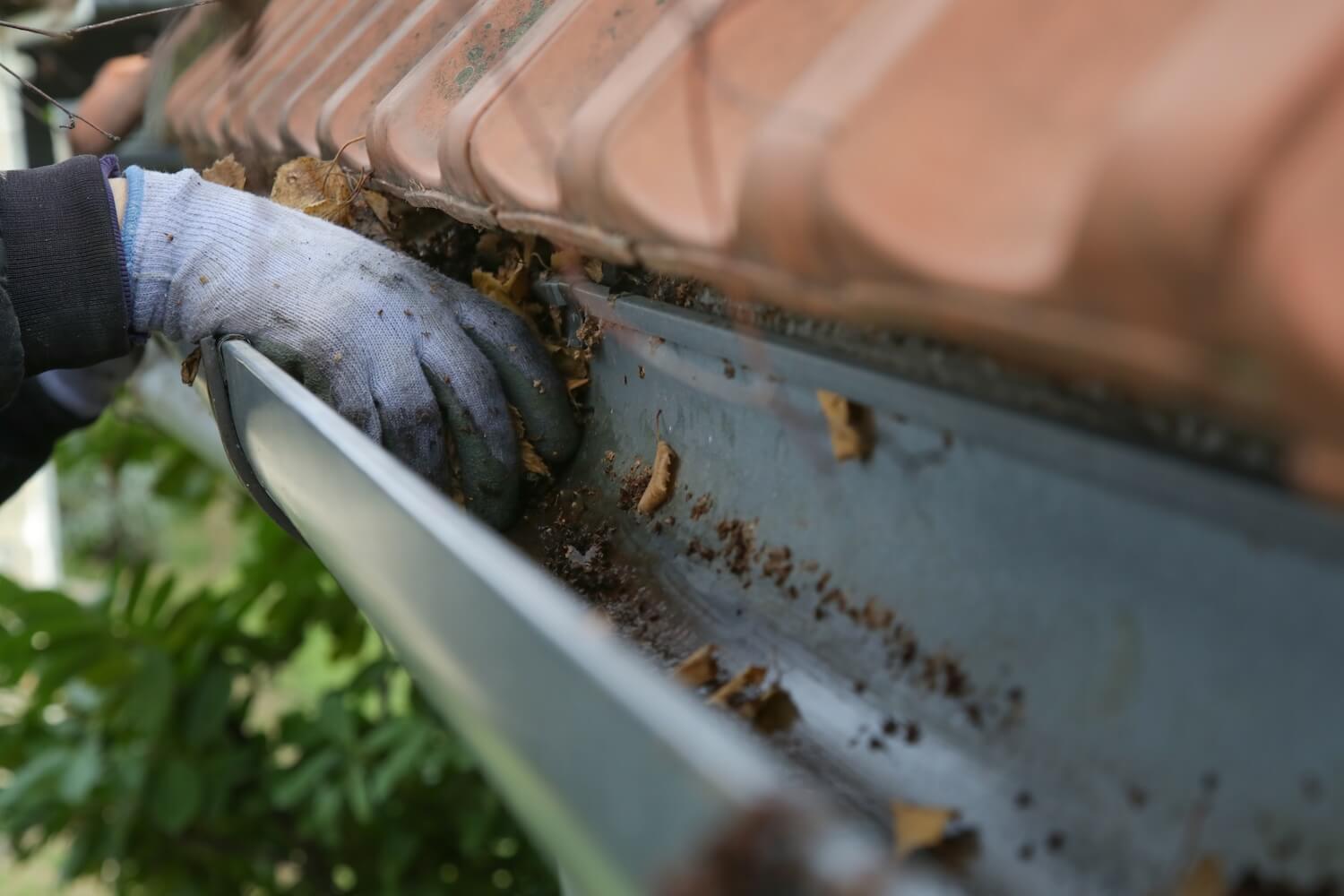
One of the clearest signs of a gutter problem is water spilling over the sides during rain. This can happen when gutters are clogged, undersized, poorly pitched, or blocked at the downspouts.
Overflowing gutters may seem like a simple nuisance, but they can send large amounts of water onto the siding, fascia, trim, and foundation. If you see sheets of water pouring over the gutters instead of moving through the downspouts, the system isn’t doing its job.
Occasional overflow may be caused by debris. Frequent overflow may mean the gutters are too damaged, too small, or improperly installed for the home.
Your Gutters Are Sagging or Pulling Away
Gutters should sit securely along the roofline. If they’re sagging, uneven, or pulling away from the fascia, they may no longer drain correctly.
Sagging gutters often happen because of age, debris buildup, standing water, loose fasteners, or damaged fascia boards. Once the gutter loses its slope, water can sit inside the system instead of flowing toward the downspouts.
This extra weight can make the problem worse over time. Eventually, the gutters may pull farther away from the home, damage the fascia, or create gaps where water can leak behind the gutter.
You See Leaks, Cracks, Rust, or Separated Seams
Visible leaks are another sign your gutters may need attention. A small leak at one seam may be repairable, but multiple leaks can signal a failing system.
Watch for:
- Water dripping from seams
- Cracks in the gutter material
- Rust spots or corrosion
- Holes in the gutters
- Sections separating from each other
- Water leaking behind the gutter
- Staining on fascia or siding below the leak
If the gutters are leaking in several places, replacement may be more cost-effective than continuing to patch individual sections.
Water Is Running Down Your Siding
Water running down the siding is a major warning sign. Gutters are supposed to move water away from the walls of the home. If water is spilling over the gutters or leaking from the back side, it can run directly down the siding.
Over time, this can cause:
- Dark streaks or stains
- Peeling paint
- Mold or mildew growth
- Warped siding
- Soft or rotting siding boards
- Damaged trim around windows and doors
- Moisture behind the siding
In Western Washington, siding already faces frequent moisture exposure. Bad gutters can make that moisture problem worse and may contribute to hidden damage behind the exterior surface.
Your Fascia, Soffits, or Trim Are Starting to Rot
The fascia is the board that runs along the roofline where many gutters are attached. When gutters leak, overflow, or pull away, the fascia often takes the first hit.
Signs of fascia, soffit, or trim damage include:
- Soft wood near the roofline
- Peeling paint
- Swelling or cracking trim
- Dark stains below gutters
- Visible rot
- Loose gutter fasteners
- Water marks under the eaves
If the wood behind or around the gutters is already damaged, simply repairing one gutter section may not be enough. The home may need gutter replacement along with fascia or trim repair.
Water Is Pooling Near Your Foundation
Gutters and downspouts should move water away from the base of the home. If water is pooling near your foundation, the gutters may not be draining correctly.
This can happen when downspouts are clogged, disconnected, too short, or poorly placed. It can also happen when the gutter system is overflowing and dumping water directly below the roofline.
Foundation-area water problems may show up as:
- Puddles near the house
- Soil erosion
- Splash marks on siding
- Damp crawlspace conditions
- Basement moisture
- Water collecting near walkways or landscaping
If your gutters are no longer moving water away from the home, replacement or drainage improvements may be needed.
Your Gutters Need Constant Repairs
If your gutters need frequent repairs, it may be time to replace the system. Occasional maintenance is normal, especially in areas with heavy tree coverage. Constant leaks, recurring clogs, sagging sections, and repeated fastener issues are different.
At a certain point, ongoing repairs can cost more than installing a new gutter system that performs better and protects the home more reliably.
Replacement may be the smarter choice if your gutters are old, visibly worn, poorly pitched, undersized, or failing in multiple areas.
Should You Repair or Replace Your Gutters?
Gutter repair may be enough when the problem is small and the rest of the system is in good condition. For example, one loose bracket, one clogged downspout, or one minor seam leak may not require full replacement.
Gutter replacement may be the better option when the system has widespread problems or is no longer protecting the home from water damage.
Repair may make sense when:
- One section is loose
- One downspout is clogged
- One seam is leaking
- The gutters are still properly attached
- The system is fairly new
- The issue is isolated
Replacement may make sense when:
- Gutters overflow often
- Multiple sections are leaking
- Gutters are sagging or pulling away
- Fascia damage is present
- Water is running down the siding
- Downspouts aren’t moving water away from the home
- The gutters are rusted, cracked, or deteriorating
- Repairs keep happening again and again
A contractor can inspect the full system and help determine whether repair or replacement is the better long-term investment.
Get Help With Gutter Replacement in Kirkland, Bellevue, Seattle, and Nearby Areas
If your gutters are leaking, sagging, overflowing, or causing water damage around your home, Ferdi Roofing & Siding can help.
We provide gutter installation and replacement, roof inspections, roof repair, siding installation, siding replacement, exterior painting, skylights, windows, doors, decking, and exterior remodeling services for homeowners across Kirkland, Bellevue, Seattle, Redmond, Bothell, Woodinville, Kenmore, Sammamish, Issaquah, Newcastle, and nearby communities.
Because gutters affect more than drainage, we look at the surrounding exterior system too. If your gutter issue is connected to roof edges, fascia, soffits, siding, trim, or foundation drainage, we can help identify the problem and recommend the right next step.
Contact Ferdi Roofing & Siding to request a quote for gutter replacement or exterior repairs.
Gutter Replacement FAQs
How do I know if my gutters need to be replaced?
Your gutters may need to be replaced if they’re sagging, leaking in multiple areas, overflowing during rain, pulling away from the home, rusting, cracking, or causing water to run down your siding or pool near the foundation.
Can bad gutters damage my roof?
Yes. Bad gutters can cause water to back up near the roof edge, soak the fascia, damage soffits, and contribute to leaks near eaves or overhangs.
Can bad gutters damage siding?
Yes. When gutters overflow or leak behind the gutter, water can run down the siding. Over time, this may cause staining, peeling paint, mold, mildew, rot, warping, or moisture behind the siding.
Should I repair or replace leaking gutters?
A small isolated leak may be repairable. If the gutters are leaking in several places, sagging, rusting, or causing exterior damage, replacement may be the better long-term solution.
How often should gutters be replaced?
The lifespan of gutters depends on the material, installation quality, weather exposure, and maintenance. If the gutters are still draining properly and securely attached, they may last for many years. If they’re failing in multiple areas, replacement should be considered.
Why do my gutters overflow even after cleaning?
If clean gutters still overflow, the system may be improperly pitched, undersized, damaged, or blocked at the downspouts. Roof valleys can also send too much water into one area if the gutter system isn’t designed to handle the volume.
Should gutters be replaced before siding?
If your gutters are failing and you’re planning siding replacement, the gutter system should be inspected before or during the siding project. New siding can still be damaged if old gutters continue to overflow or leak.
Do new gutters help protect fascia and soffits?
Yes. Properly installed gutters can help move water away from the fascia and soffits. If those areas are already damaged, they may need to be repaired before or during gutter replacement.
Can gutters cause foundation problems?
Yes. If gutters or downspouts drain too close to the home, water can collect near the foundation. This can contribute to erosion, crawlspace moisture, basement dampness, and drainage problems.
Who installs gutters near Kirkland, Bellevue, and Seattle?
Ferdi Roofing & Siding provides gutter installation and replacement for homeowners in Kirkland, Bellevue, Seattle, Redmond, Bothell, Woodinville, Kenmore, Sammamish, Issaquah, Newcastle, and nearby areas.