How Long Does a Roof Last in Washington State?
Roof lifespan varies significantly depending on climate, material quality, installation methods, and maintenance practices. In Washington State, roofs are exposed to frequent rain, moisture buildup, moss growth, and seasonal temperature changes that can gradually shorten expected lifespan compared to drier regions.
Many homeowners begin researching roof lifespan after noticing subtle warning signs such as curling shingles, small leaks, or moss accumulation. Understanding how long a roof typically lasts helps prevent structural damage and allows homeowners to plan replacement before more costly problems develop.
Whether you own a home in Kirkland, Bellevue, Redmond, Sammamish, Issaquah, Everett, Tacoma, or surrounding communities, knowing what affects roof longevity can help protect your investment.
Average Roof Lifespan by Material
Different roofing materials perform differently in Washington’s wet climate. Moisture resistance, ventilation compatibility, and installation quality all influence durability.
Asphalt Shingle Roof Lifespan
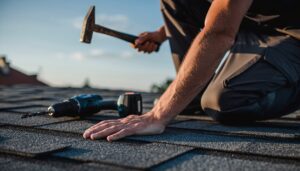
Architectural asphalt shingles are the most common roofing material in Washington due to their balance of durability and cost efficiency. Most asphalt roofs last between twenty and thirty years when properly installed and maintained.
However, heavy rainfall, debris accumulation, and moss growth can gradually reduce lifespan if ventilation and drainage are not functioning correctly.
Many homeowners begin evaluating roof replacement services once asphalt shingles approach the twenty year mark, particularly if signs of wear begin appearing.
Metal Roof Lifespan
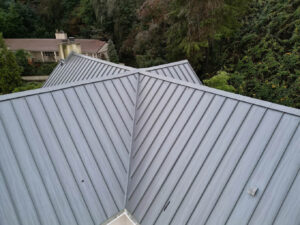
Metal roofing systems are known for exceptional durability in high-moisture environments. Properly installed metal roofs often last forty to seventy years, making them one of the longest lasting roofing materials available.
Metal roofing resists moisture penetration, sheds debris efficiently, and performs well during seasonal storms. Many homeowners upgrading older roofing systems explore metal roofing installation as a long-term investment.
Cedar Shake Roof Lifespan
Cedar shake roofing offers a natural appearance that complements many Pacific Northwest architectural styles. When maintained properly, cedar roofing may last between twenty five and forty years. Because cedar is an organic material, regular inspection helps identify moisture related wear early.
Why Roofs Wear Faster in Washington’s Climate
Western Washington’s climate presents unique challenges for roofing systems. Persistent rain, overcast conditions, and tree coverage create an environment where moisture remains on roof surfaces longer than in sunnier climates.
Moss and algae growth can retain moisture against shingles, gradually weakening protective layers designed to prevent water intrusion. Over time, this can increase the likelihood of leaks or structural deterioration.
Temperature fluctuations between seasons also cause roofing materials to expand and contract. These cycles may eventually affect flashing integrity and seal performance.
Homes located near trees may experience additional debris accumulation that prevents proper drainage. Because of these environmental conditions, roofing systems in Washington benefit from regular inspection and maintenance.
Signs a Roof May Be Near the End of Its Lifespan
Roof aging often occurs gradually. Identifying early warning signs allows homeowners to plan proactively rather than responding to emergency repairs.
Common indicators include shingle curling, missing granules, recurring leaks, dark streaking, and moss accumulation. Interior ceiling stains or attic moisture may also indicate deterioration beneath surface materials.
Sagging areas or visible wear near flashing components can suggest structural concerns requiring evaluation.
Homeowners noticing multiple warning signs often begin comparing repair options with full roof replacement in Kirkland, Bellevue, and surrounding service areas.
How Ventilation Affects Roof Lifespan
Ventilation plays a critical role in extending roof lifespan. Poor airflow can trap humidity inside attic spaces, allowing condensation to affect insulation and structural components.
Balanced ventilation systems help regulate temperature and moisture levels throughout the year. Proper airflow reduces stress on roofing materials and helps prevent mold growth.
When installing a new roofing system, contractors often evaluate ventilation performance to ensure long-term durability.
How Maintenance Can Extend Roof Life
Routine maintenance helps prevent minor problems from becoming major structural concerns. Removing debris, addressing moss growth, and inspecting flashing regularly can help extend roof lifespan.
Scheduling periodic inspections helps identify early signs of wear caused by moisture exposure or storm damage.
Many homeowners throughout Washington schedule inspections after winter storms or before seasonal weather changes.
Repair vs Replacement Timing Considerations
Understanding roof lifespan helps homeowners decide when repair is sufficient and when replacement may provide better long-term value.
Repairs may extend lifespan when damage is isolated and materials remain structurally sound. However, when roofing systems approach the end of expected performance range, replacement often provides more predictable protection.
Homeowners evaluating options often review roof repair vs roof replacement decision guidance to better understand cost considerations and long term performance expectations.
Benefits of Replacing an Aging Roof
Installing a new roof provides protection beyond leak prevention. Modern roofing materials are designed to perform reliably in wet climates while improving structural resilience.
New roofing systems often improve curb appeal, reduce maintenance concerns, and support energy efficiency through improved ventilation performance.
Many homeowners choose replacement proactively to avoid emergency repairs during peak rainy seasons.
Planning Ahead Protects Your Home
Understanding expected roof lifespan allows homeowners to plan improvements strategically rather than reacting to unexpected leaks.
Evaluating roof condition early helps prevent interior damage, insulation problems, and costly structural repairs.
Whether your roof is approaching twenty years of age or showing signs of wear, professional evaluation provides clarity and helps determine the most appropriate next step.
Frequently Asked Questions
How long does an asphalt roof last in Washington State?
Most asphalt shingle roofs last between twenty and thirty years depending on installation quality, ventilation performance, and exposure to moisture. Regular maintenance may help extend lifespan.
Does rain reduce roof lifespan?
Persistent moisture can gradually weaken roofing materials over time. Proper installation and ventilation help reduce moisture-related wear.
Is metal roofing better for rainy climates?
Metal roofing performs well in wet environments because it sheds water efficiently and resists moisture intrusion. Many homeowners choose metal roofing for long-term durability.
How often should roofs be inspected in Washington?
Annual inspections help identify early signs of wear caused by seasonal weather exposure. Inspections are often recommended after major storms.
Can moss damage shorten roof lifespan?
Moss can trap moisture against shingles, increasing the likelihood of deterioration. Addressing moss growth early helps maintain roofing performance.
When should a 20 year old roof be replaced?
If signs of wear are visible or leaks have begun occurring, evaluation helps determine whether replacement provides better long term protection.