
Should You Replace Your Roof and Siding at the Same Time?
Replacing your roof and siding at the same time can make sense when both systems are aging, moisture damage affects the areas where they connect, or you’re planning a complete exterior renovation. Coordinating the projects may improve flashing installation, simplify scheduling, reduce repeated disruptions, and create a more consistent finished exterior.
However, you don’t automatically need to replace both systems just because one has failed.
If your roof needs replacement but your siding remains structurally sound, properly installed, and capable of protecting the walls, replacing the siding may add unnecessary cost. The same is true when deteriorated siding needs replacement but the roof still has years of useful service life.
The right decision depends on the condition of each system, how the roof and siding connect, the extent of hidden damage, and whether completing the projects separately could interfere with newly installed materials.
Ferdi Roofing & Siding evaluates roofing, siding, flashing, gutters, ventilation, and drainage as parts of one connected exterior system. That broader approach helps homeowners determine whether they need one focused replacement or a coordinated exterior project.
When Does It Make Sense to Replace Roofing and Siding Together?
Replacing both systems together is usually worth considering when the roof and siding are approaching the end of their service lives at roughly the same time.
It may also make sense when damage isn’t confined to one visible surface. Roofing and siding meet at dormers, roof-to-wall intersections, second story walls, chimneys, additions, and other transitions. If water has entered through one of these areas, correctly repairing the assembly may require access to both materials.
Here are some of the most common situations in which a coordinated project may be appropriate.
Both Systems Are Near the End of Their Useful Lives
If the roof is already due for replacement and the siding is also showing widespread deterioration, completing both projects together may prevent the need to repeat scaffolding, site preparation, exterior protection, and construction disruptions a few years later.
The age of a material isn’t the only consideration. Its actual condition matters more.
A relatively young roof may need replacement because of widespread installation defects, inadequate ventilation, or storm damage. Older siding may continue performing when it was installed correctly and has been properly maintained.
A professional evaluation should consider the current condition and expected remaining lifespan of both systems rather than relying only on installation dates.
Water Damage Involves Roof-to-Wall Transitions
The areas where roofing meets siding are among the most important parts of the exterior envelope.
These transitions often depend on:
- Step flashing
- Kickout flashing
- Headwall flashing
- Weather resistant barriers
- Siding clearances
- Exterior trim
- Proper drainage into gutters
When these components aren’t layered or integrated correctly, water can enter behind the siding and reach wall sheathing, framing, insulation, or interior finishes.
If a replacement project requires correcting concealed flashing behind existing siding, some siding may need to be temporarily removed. When the siding is already damaged or nearing replacement, coordinating both systems can produce a more complete repair.
Learn more about how Ferdi evaluates these connections through its exterior waterproofing and building envelope services.
You’re Planning a Complete Exterior Renovation
Homeowners sometimes replace roofing, siding, gutters, windows, trim, and exterior paint as part of a larger renovation.
Coordinating these improvements allows the contractor to plan the sequence of work around shared components. It can also prevent one crew from damaging or removing materials that another crew recently installed.
For example, gutter replacement may depend on the final fascia condition and roof edge details. Window replacement may require siding removal and new flashing. Exterior painting should generally happen after disruptive roofing or siding work is complete.
A coordinated exterior remodeling project can create a clearer sequence and reduce conflicts between individual trades.
Fascia, Soffits, Gutters, and Trim Also Need Work
Roofing and siding don’t meet in isolation. Fascia boards, soffits, exterior trim, and gutters connect the roof edge to the walls.
When these materials show widespread rot, staining, separation, or moisture damage, the problem may extend beyond one product.
Replacing roofing and siding together may allow damaged transition materials to be exposed, evaluated, and corrected before new exterior finishes are installed.
You Want to Avoid Multiple Major Construction Projects
Replacing a roof or siding can temporarily affect parking, landscaping, outdoor access, noise levels, and daily routines.
When both projects will be needed soon, some homeowners prefer one coordinated construction period rather than scheduling two major exterior projects within several years.
That convenience should be weighed against the additional cost. Combining projects is valuable when both are genuinely needed, not simply because completing everything at once feels easier.
What Are the Benefits of Replacing Your Roof and Siding Together?
The main advantage isn’t just convenience. It’s the ability to coordinate the exterior details that influence water management and long term performance.
Better Flashing Integration
Flashing is easiest to install correctly when contractors can access the layers behind roofing, siding, trim, and weather barriers.
When roof-to-wall flashing is concealed behind siding, replacing both systems may provide an opportunity to correct the complete transition instead of relying on a surface repair.
Proper sequencing is especially important around dormers, chimneys, additions, and walls that terminate near a lower roof slope.
More Consistent Water Management
Roofing sheds water toward gutters. Gutters direct runoff away from siding, trim, and the foundation. Siding and weather barriers manage water that reaches exterior walls.
Coordinating these systems makes it easier to examine how water travels across the entire exterior.
A roofing and siding contractor can review roof edges, gutter placement, siding clearances, kickout flashing, downspout discharge, and drainage pathways as parts of one system rather than unrelated products.
Fewer Scheduling Conflicts
When different contractors handle exterior projects independently, each company may plan its work around its own scope.
That can create problems when one project affects another. A siding contractor may need to remove newly installed flashing. A roofing crew may damage freshly painted siding. Gutters may have to be removed and reinstalled several times.
One coordinated scope can establish which work happens first, which materials need temporary removal, and how each component will connect to the next.
A More Cohesive Exterior Design
Replacing the roof and siding together allows homeowners to coordinate colors, profiles, trim, gutters, and architectural details.
This can be particularly helpful when switching to a new roofing material, changing the siding style, or modernizing an older exterior.
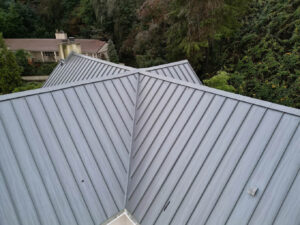
A standing seam metal roof, for example, may create a very different visual effect than architectural asphalt shingles. Coordinating siding and trim selections at the same time can help the final exterior feel intentional.
Reduced Risk of Disturbing New Materials
Exterior replacement projects often require ladders, scaffolding, material staging, debris removal, and access around the entire home.
Completing the work in the proper sequence can reduce the chance that a later project scratches, dents, removes, or penetrates newly installed materials.
This doesn’t mean all work must happen simultaneously. It means the complete scope should be planned before either replacement begins.
Should the Roof or Siding Be Replaced First?
In many combined projects, the roof is replaced before the siding. However, the correct order depends on the home and the exact scope of work.
Roofing often comes first because roof removal can create falling debris, require access around upper walls, and affect gutters, fascia, flashing, and roof-to-wall transitions. Completing the roof first can reduce the risk of damaging new siding during tear off.
The roofing crew may also need to install or correct flashing that extends behind the siding. If siding replacement is already planned, the crews can coordinate how much material should be removed and when it should be reinstalled.
There are exceptions.
If severe wall damage must be repaired before roof flashing can be correctly attached, part of the siding and wall assembly may need to be addressed first. Window replacement may also affect the sequence if the windows must be integrated with a new weather barrier before the final siding is installed.
The best sequence is based on:
- Roof and wall condition
- Location of damaged materials
- Flashing requirements
- Window and door work
- Gutter and fascia replacement
- Weather exposure
- Site access
- Manufacturer installation requirements
Homeowners shouldn’t have to determine the order themselves. The contractor should provide a written scope explaining the project sequence and how exposed areas will remain protected during construction.
How Do Roofing and Siding Connect?
Roofing and siding perform different functions, but they depend on many of the same transition details.
Step Flashing
Step flashing is commonly installed where a sloped roof meets a vertical wall. Individual pieces overlap with the roofing materials to direct water down the roof and away from the wall assembly.
When step flashing is missing, reused improperly, nailed incorrectly, or covered with incompatible materials, water may enter behind the siding.
Kickout Flashing
Kickout flashing is installed near the lower end of a roof-to-wall intersection. It directs runoff away from the wall and into the gutter.
Without properly installed kickout flashing, concentrated roof runoff can move behind siding or repeatedly soak exterior trim and wall sheathing.
Siding Clearance Above Roofing
Siding generally needs adequate clearance from the roofing surface. When siding is installed too close to shingles or metal panels, it may absorb moisture, trap debris, or prevent proper access to flashing.
The required clearance depends on the siding product, roofing material, wall construction, and manufacturer instructions.
Weather-Resistant Barriers
The material behind the siding helps manage water that passes the exterior cladding. It must be correctly integrated with windows, doors, flashing, and roof transitions so water can drain outward.
Simply installing attractive siding over an improperly detailed drainage plane won’t create a durable wall system.
Fascia and Soffits
Fascia and soffits connect the roof edge, gutters, attic ventilation, and exterior walls.
Deteriorated fascia may prevent gutters from remaining securely attached. Damaged soffits may allow pests or moisture into the roof edge. Blocked soffit ventilation can also affect attic airflow.
These components should be evaluated whenever roofing, siding, or gutters are being replaced.
Do Gutters Need to Be Replaced With the Roof and Siding?
Not always.
Existing gutters may be reusable when they’re properly sized, securely attached, correctly pitched, and free from significant damage. However, they’ll often need to be temporarily removed during fascia, roof edge, or siding work.
Gutter replacement may make sense when the existing system:
- Leaks at multiple seams
- Pulls away from the fascia
- Overflows during normal rainfall
- Is undersized for the roof area
- Has poor downspout placement
- Directs water toward siding or the foundation
- Has widespread corrosion or damage
- Won’t match the redesigned exterior
The contractor should also review where downspouts discharge. New gutters won’t solve drainage problems if runoff continues collecting near the foundation or flowing across walkways.
Ferdi’s gutter installation and replacement services can be coordinated with roofing and siding work when the existing drainage system is no longer performing properly.
When Shouldn’t You Replace the Roof and Siding Together?
Combining both projects isn’t automatically the best investment.
One System Is Still in Good Condition
If the siding remains structurally sound and has substantial service life remaining, replacing it solely because the roof needs work may be unnecessary.
The same applies to a healthy roof when siding deterioration is limited to the walls.
A contractor should be able to explain why replacement is recommended and identify the evidence supporting that recommendation.
The Damage Is Isolated
A small area of siding damage may be repairable. A localized roofing defect may require only targeted roof repair.
Complete replacement should generally be reserved for widespread deterioration, material failure, system age concerns, or conditions that can’t be corrected reliably with a focused repair.
The Projects Don’t Share Critical Transitions
If the affected siding is located far from roof-to-wall intersections and the roofing project won’t disturb the walls, there may be little technical advantage to combining the work.
Similarly, replacing siding on a simple one story wall may not require changes to a healthy roof.
Combining the Work Would Create Financial Pressure
Roofing and siding are major investments.
Completing both projects together may simplify scheduling, but homeowners shouldn’t feel pressured to expand the scope beyond what the property currently needs.
A phased plan can identify which system should be addressed immediately and which can be safely scheduled later.
How Much Does Roof and Siding Replacement Cost?
There isn’t one standard cost for replacing roofing and siding because the project depends on the home’s size, design, materials, access, and existing condition.
Roofing costs are influenced by:
- Roof area and pitch
- Number of layers being removed
- Asphalt, metal, cedar, or low slope materials
- Valleys, dormers, skylights, and penetrations
- Decking repairs
- Underlayment and flashing requirements
- Ventilation improvements
- Disposal and site access
Siding costs depend on:
- Wall area
- Number of stories
- Fiber cement, wood, engineered wood, vinyl, or metal
- Removal of existing siding
- Sheathing condition
- Weather-resistant barrier installation
- Window and door detailing
- Trim and paint requirements
- Architectural complexity
A combined project may also include fascia, soffits, gutters, downspouts, insulation, exterior paint, or window replacement.
Completing both projects together may reduce certain repeated setup or coordination costs, but it won’t always make the total project less expensive. The primary value is usually improved planning and exterior integration.
The proposal should separate major components so homeowners can understand what each part of the project includes.
Can You Replace the Roof Now and the Siding Later?
Yes. Many homeowners complete these projects in phases.
When roofing comes first, the contractor should account for the future siding project. Flashing details should be installed in a way that allows later siding work without unnecessarily disturbing the new roof.
The roofing contractor should document:
- Roof-to-wall flashing locations
- Siding conditions near rooflines
- Areas that may require future access
- Gutter and fascia conditions
- Any concealed damage discovered during construction
If siding comes first, the contractor should consider whether a future roof replacement will require removal or modification of lower siding courses, trim, gutters, or flashing.
Planning for the next project helps prevent avoidable rework.
What Questions Should You Ask a Roofing and Siding Contractor?
The contractor should be able to explain how the complete exterior will be coordinated, not just provide separate prices for roofing and siding.
Ask who will manage the project sequence and whether the same company is responsible for both systems. Find out how roof-to-wall flashing, weather barriers, gutters, fascia, soffits, windows, and trim will be handled.
You should also ask:
- Is the company licensed, bonded, and insured?
- Will the roofing and siding follow manufacturer requirements?
- How will hidden damage be documented and priced?
- Will existing flashing be replaced or reused?
- How will the home remain protected between project phases?
- Who is responsible for cleanup and final inspection?
- What workmanship and manufacturer warranties apply?
- Will you receive a detailed written scope?
A proposal should identify materials, installation methods, exclusions, allowances, and the process for addressing concealed damage.
How Ferdi Coordinates Roof and Siding Replacement
Ferdi Roofing & Siding approaches roofing and siding as parts of the complete exterior envelope.
Before recommending a combined project, we evaluate the condition of each system and the connections between them. This includes roofing materials, siding, flashing, roof edges, gutters, ventilation, windows, trim, and visible drainage patterns.
If only one system requires replacement, we’ll explain how that project can be completed while protecting the materials that remain.
When both systems need work, we develop a coordinated scope that considers installation sequence, water management, access, material compatibility, and long term performance.
Our goal isn’t to replace more of the exterior than necessary. It’s to create a clear plan that addresses existing problems, protects the home, and reduces the risk of conflicting work later.
Explore Ferdi’s services:
Request a Roof and Siding Evaluation
If your roofing and siding are aging, damaged, or showing signs of moisture problems, Ferdi Roofing & Siding can evaluate both systems and explain whether they should be repaired, replaced separately, or coordinated as one exterior project.
We serve homeowners in Kirkland, Bellevue, Redmond, Bothell, Woodinville, Sammamish, Issaquah, Kenmore, Newcastle, Seattle, and surrounding communities.
Request a Free Exterior Evaluation
Call 425-495-7795 to discuss your roofing, siding, gutter, or complete exterior remodeling project.
Frequently Asked Questions
Is it cheaper to replace roofing and siding at the same time?
Combining the projects may reduce certain repeated setup, scheduling, or access costs, but it won’t always make the total work less expensive. The primary benefit is better coordination between roofing, siding, flashing, gutters, trim, and other shared exterior components.
Should roofing or siding be replaced first?
Roofing is often replaced first because roof tear off can affect gutters, flashing, walls, and newly installed siding. However, the correct order depends on the home’s design, wall condition, flashing requirements, and complete project scope.
Can new siding be damaged during a roof replacement?
Yes. Falling debris, ladders, scaffolding, and roof removal can scratch or damage siding. When both projects are planned, completing the roof first can help protect the new siding.
Does siding need to be removed during roof replacement?
Siding may need to be temporarily removed where the roof meets a wall, particularly when step flashing, kickout flashing, or concealed water damage must be corrected. Most siding won’t need to be removed during a standard roof replacement.
Should gutters be replaced when replacing the roof and siding?
Gutters don’t always need replacement. They may be reused when they’re correctly sized, securely attached, properly pitched, and in good condition. Replacement may be appropriate when they leak, overflow, sag, or contribute to exterior water damage.
Can I replace my roof now and siding later?
Yes. The contractor should plan the roofing details so future siding replacement can be completed without unnecessarily disturbing the new roof. Flashing and transition conditions should be documented during the roofing project.
What are the signs that siding needs replacement?
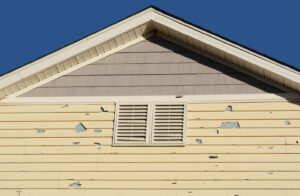
Common signs include warping, widespread cracking, loose panels, soft or rotting materials, recurring paint failure, moisture damage, increased maintenance, and deterioration around windows or roof-to-wall transitions.
How do I know if my roof needs replacement?
Possible signs include widespread shingle deterioration, repeated repairs, exposed or damaged decking, ongoing moisture problems, extensive storm damage, and a roof that’s nearing the end of its expected service life. A professional roof inspection can help determine whether repair or replacement is appropriate.
Do I need one contractor for both roofing and siding?
You don’t have to use one contractor, but a company experienced in both systems can simplify scheduling, communication, flashing integration, warranty coordination, and responsibility for shared exterior details.