
Best Roofing Materials for Western Washington: Pros, Cons & How to Choose
Choosing a new roof isn’t just about finding a color you like or comparing prices. In Western Washington, your roof needs to handle months of moisture, shaded conditions, moss and algae growth, wind driven rain, falling debris, and seasonal temperature changes.
So, what’s the best roofing material for a Western Washington home?
For many homeowners, architectural asphalt shingles provide the best overall balance of cost, durability, appearance, and repairability. Metal roofing is worth considering when long term durability and lower maintenance are higher priorities. Cedar offers a distinctive Northwest appearance but generally requires more maintenance, while synthetic composite roofing can provide a premium slate or shake look without using the natural material.
There’s no universal winner. The right roofing material depends on your roof design, budget, how long you plan to own the home, maintenance preferences, tree exposure, ventilation, and the condition of the roofing system underneath.
Quick Answer: What Roofing Material Is Best for Washington?
If you’re comparing options, here’s the simplest way to think about them:
| Roofing Material | Best For | Typical Service Life* | Relative Upfront Cost | Maintenance |
|---|
| Architectural asphalt shingles | Best overall balance | About 20–30+ years | $ | Moderate |
| Metal roofing | Longevity and low maintenance | 30–50+ years | $$$ | Low |
| Cedar shakes/shingles | Natural Northwest appearance | About 30–40 years | $$–$$$ | Higher |
| Synthetic composite | Premium slate or shake appearance | Product dependent | $$$ | Low to moderate |
*These are general ranges, not warranties. Roof life can vary significantly based on the product, installation, roof design, ventilation, exposure, maintenance, and weather conditions. GAF generally places asphalt roofing around 20 to 30 years, while the Metal Roofing Alliance says homeowners can generally expect 30 to 50+ years from metal roofing. The Cedar Shake & Shingle Bureau gives cedar an average lifespan of approximately 30 to 40 years.
Why Western Washington Climate Matters When Choosing a Roof
Roofing materials in Western Washington deal with different conditions than roofs in hot, dry climates.
Rain itself isn’t the only concern. Homes throughout Kirkland, Bellevue, Redmond, Sammamish, Seattle, and the Eastside can also experience long periods of dampness, shaded roof sections, accumulated leaves and needles, organic growth, and limited drying time.
The National Weather Service maintains extensive precipitation records for Western Washington, reinforcing why moisture management needs to be part of roofing decisions in this region.
That makes several factors especially important:
- How efficiently the roof sheds water
- How the material performs when repeatedly exposed to moisture
- Moss and algae susceptibility
- Roof pitch
- Tree coverage
- Underlayment
- Flashing
- Attic ventilation
- Drainage
- Maintenance requirements
The visible roofing material is only one part of the system.
1. Architectural Asphalt Shingles
Best Overall Value for Many Washington Homes
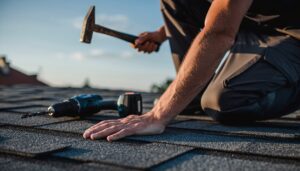
Architectural asphalt shingles remain one of the most practical roofing options for homeowners who want dependable performance without moving into the higher initial cost of premium roofing materials.
Asphalt shingles are also the most commonly used residential roofing product in the United States.
Modern architectural shingles provide a more dimensional appearance than basic three tab shingles and are available in a wide range of colors and styles.
Pros of Asphalt Shingles
- Lower initial cost than most premium roofing systems
- Large selection of colors and styles
- Works with many architectural styles
- Individual damaged shingles can often be repaired
- Widely available
- Straightforward replacement process
- Algae resistant products are available
- Strong balance between cost and expected service life
Some current asphalt shingle systems also include technologies specifically intended to reduce blue green algae discoloration. GAF, for example, offers qualifying shingles with dedicated algae protection warranty coverage.
Cons of Asphalt Shingles
- Generally shorter service life than quality metal roofing
- May need periodic moss and debris maintenance
- Granules can wear away as the roof ages
- Individual shingles can crack, loosen, or become damaged
- Performance is highly dependent on installation and ventilation
How Long Do Asphalt Shingles Last in Washington?
A general expectation for asphalt roofing is approximately 20 to 30 years, although individual architectural products and systems can last longer under favorable conditions. GAF notes that lifespan varies with material, weather, installation quality, and maintenance.
For Western Washington homeowners, roof age should always be considered alongside actual condition.
A 22 year old roof with good ventilation, proper flashing, limited tree coverage, and no recurring leaks may be very different from a roof of the same age that remains shaded, accumulates moss, or has been repeatedly repaired.
Who Should Consider Asphalt Shingles?
Architectural asphalt shingles make sense for homeowners who want:
- A strong balance between cost and longevity
- A traditional residential appearance
- Multiple color choices
- Easier future repairs
- A proven roofing system without the higher investment of metal
Learn more about Asphalt Shingle Roofing.
2. Metal Roofing
Best for Long Term Durability
Metal roofing has become increasingly appealing to homeowners who plan to remain in their homes long term and want a roofing system with a longer potential service life.
The Metal Roofing Alliance generally estimates metal roof life at 30 to 50 years or more, depending on material, finish, installation, exposure, and maintenance.
Pros of Metal Roofing
- Long expected service life
- Excellent water shedding
- Low maintenance requirements
- Strong performance in rain
- Clean, architectural appearance
- Available in several profiles and finishes
- Can reduce the number of roof replacements required over long term homeownership
Cons of Metal Roofing
- Higher upfront investment
- Repairs can require more specialized knowledge
- Installation quality is critical
- Appearance may not suit every home
- Roof geometry can significantly affect cost
Ferdi’s existing local roof cost guide identifies metal roofing as a higher initial investment than asphalt while noting its durability, water shedding performance, and long term value.
Standing Seam Metal Roofing
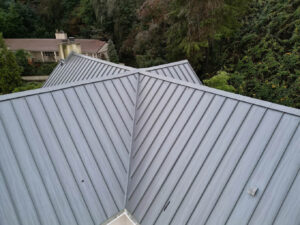
Standing seam systems use raised seams between metal panels, keeping many fasteners concealed from direct weather exposure.
The clean lines work particularly well on modern and contemporary homes, but metal can also complement traditional architecture depending on the profile and color selected.
Is Metal Roofing Better for Rain?
Metal is exceptionally efficient at shedding water, which makes it attractive in wet climates. But water shedding ability alone doesn’t make a roof leak proof.
Flashing, penetrations, valleys, roof to wall connections, underlayment, ventilation, and workmanship still matter.
Who Should Consider Metal Roofing?
Metal may be a strong option if you:
- Plan to own the home for many years
- Prioritize longevity over lowest upfront cost
- Prefer lower maintenance roofing
- Want a modern architectural appearance
- Are comfortable making a larger initial investment
Learn more about Metal Roofing.
3. Cedar Shake and Cedar Shingle Roofing
Best for a Natural Northwest Look
Few materials are as closely associated with Pacific Northwest architecture as cedar.
Cedar shakes and shingles offer natural variation, texture, and warmth that manufactured roofing materials can only imitate.
The Cedar Shake & Shingle Bureau reports an average cedar roofing lifespan of approximately 30 to 40 years, while emphasizing that climate, exposure, product quality, installation, and maintenance all affect longevity.
Pros of Cedar Roofing
- Distinctive natural appearance
- Works especially well with Northwest, Craftsman, lodge, and traditional architecture
- Naturally dimensional texture
- Can provide a long service life when properly installed and maintained
Cons of Cedar Roofing
- Requires more maintenance than many asphalt or metal systems
- Needs proper drying conditions
- More sensitive to installation and ventilation details
- Natural appearance changes as the material weathers
- Usually requires a larger investment than basic asphalt roofing
The Cedar Shake & Shingle Bureau specifically cautions against sealing cedar roofs because cedar needs the ability to release moisture and dry. It also emphasizes maintaining airflow beneath cedar roofing where appropriate to improve drying.
That drying ability becomes particularly relevant in Western Washington.
Who Should Consider Cedar?
Cedar is most appropriate for homeowners who strongly value:
- Authentic natural materials
- Traditional Northwest architecture
- Texture and character
- Willingness to perform additional maintenance
It may be less attractive if your main priorities are minimal maintenance and predictable long term upkeep.
4. Synthetic Composite Roofing
Best for a Premium Slate or Shake Appearance
Synthetic composite roofing is designed to recreate the appearance of materials such as natural slate or cedar shake using manufactured roofing products.
This category varies significantly between manufacturers, so homeowners should compare the specific product, not simply the word “composite.”
Some premium synthetic products carry lifetime limited material warranties. DaVinci Roofscapes, for example, offers lifetime limited material warranties on several synthetic slate and shake products.
Pros of Synthetic Composite Roofing
- Premium appearance
- Can imitate cedar or slate
- Less natural material maintenance than cedar
- Many color and style options
- Some products offer substantial manufacturer warranties
Cons of Synthetic Composite Roofing
- Higher upfront cost than standard asphalt shingles
- Performance varies by manufacturer and product
- Replacement material availability matters for future repairs
- Fewer contractors may have experience with individual systems
Composite vs. Composition Roofing: Are They the Same?
This terminology gets confusing.
Composition shingles is a term commonly used for asphalt-based shingles made from several components.
Synthetic composite roofing, in this article, refers to manufactured slate or shake style roofing products intended to replicate premium natural materials.
When requesting an estimate, ask exactly what manufacturer and roofing product is being quoted rather than relying on the word “composite.”
Asphalt vs. Metal vs. Cedar vs. Composite: Side-by-Side
Choose Asphalt Shingles If:
You want the best balance between initial cost, appearance, service life, and repairability.
Choose Metal If:
You’re comfortable investing more initially in exchange for longer potential service life and lower maintenance.
Choose Cedar If:
Authentic Northwest architecture and natural materials matter more to you than minimizing maintenance.
Choose Synthetic Composite If:
You want the appearance of premium cedar or slate without using the natural material and are comfortable with premium pricing.
What Is the Cheapest Roofing Material?
For most conventional residential projects, asphalt shingles generally have a lower initial cost than metal and other premium roofing systems.
Ferdi’s current Kirkland and Bellevue roof cost guide notes that many complete roof replacement projects in the area can range from the low teens to $35,000 or more depending on roof size, complexity, material selection, structural work, and other conditions. A smaller or straightforward asphalt roof may cost less, while premium materials and complicated rooflines can increase the investment.
The material itself is only one part of the price.
Roof replacement costs are also influenced by:
- Roof square footage
- Pitch
- Accessibility
- Number of valleys
- Dormers
- Skylights
- Chimneys
- Existing roof layers
- Tear off
- Decking damage
- Flashing
- Ventilation
- Underlayment
- Gutters and drainage
That’s why two homes with similar interior square footage can have very different roofing estimates.
Read: How Much Does Roof Replacement Cost in Kirkland and Bellevue?
What Is the Longest Lasting Roofing Material?
Among the roofing systems Ferdi commonly discusses with Eastside homeowners, metal generally offers the longest expected service life.
The Metal Roofing Alliance estimates approximately 30 to 50+ years for metal roofs, compared with GAF’s general 20 to 30 year expectation for asphalt roofing and the Cedar Shake & Shingle Bureau’s approximately 30 to 40 year average for cedar.
That doesn’t automatically make metal the best financial choice for every homeowner.
If you expect to sell the home well before another quality asphalt roof would need replacement, paying a premium for maximum longevity may be less important than it would be for someone planning to remain in the house for decades.
How Do I Choose the Right Roofing Material?
Start with these seven questions.
1. How long do you plan to own the home?
Long term ownership can make the extended lifespan of premium materials more valuable.
2. What is your realistic budget?
Compare the complete installed roofing systems, not simply material price per square foot.
3. How much maintenance are you comfortable with?
Cedar requires a different ownership mindset than metal or asphalt.
4. What does the architecture call for?
The roof can represent a large portion of what you see from the street.
5. How much tree coverage does the property have?
Shaded, wooded lots may require more ongoing roof maintenance regardless of material.
6. What condition is the existing roofing system in?
Decking, flashing, ventilation, and drainage problems can influence what should be done during replacement.
7. What does your contractor recommend after inspecting the house?
A roofing recommendation should be based on the actual home rather than whichever product happens to have the highest price.
Should You Repair Your Existing Roof Instead?
A material comparison becomes less important if your existing roof still has substantial usable life.
Localized flashing problems, isolated shingle damage, or a recent leak may be repairable without replacing the entire system.
Replacement becomes more likely when deterioration is widespread, leaks keep returning, decking is damaged, or the roofing material is approaching the end of its useful life. Ferdi’s existing roof repair guidance recommends evaluating the extent of damage and overall roof condition rather than assuming every leak requires replacement.
Get a Roofing Recommendation Based on Your Home
You don’t need to decide between asphalt, metal, cedar, or another roofing system before calling a contractor.
Ferdi Roofing & Siding evaluates the roof, its condition, layout, moisture exposure, ventilation, and your goals before recommending the right next step.
If architectural asphalt shingles make the most sense, we’ll explain why. If another roofing system is a better fit, we’ll walk you through the tradeoffs.
Request a Free Roofing Estimate
Prefer to talk directly? Call (425) 495-7795.
No obligation and no high pressure sales follow up.
Roofing Material FAQs
What is the best roofing material for Western Washington?
For many Western Washington homes, architectural asphalt shingles provide the best overall balance of cost, durability, appearance, and repairability. Metal roofing may be a better choice when longevity and low maintenance are higher priorities. Cedar and synthetic composite roofing can make sense when a specific architectural appearance is important.
What is the best roof for a rainy climate?
Metal and properly installed asphalt roofing systems can both perform well in rainy climates. Material selection is only part of the equation. Underlayment, flashing, valleys, roof penetrations, ventilation, and drainage are critical to controlling water. Ferdi’s local roofing guidance treats these components as part of the complete system.
What is the longest lasting roof?
Metal typically provides a longer expected service life than conventional asphalt shingles among the most common residential systems Ferdi discusses. The Metal Roofing Alliance generally estimates 30 to 50+ years for metal, while GAF generally estimates 20 to 30 years for asphalt roofing.
Is metal roofing better than asphalt shingles?
Neither is universally better. Asphalt typically has a lower initial cost and is easier to fit into many residential budgets. Metal generally offers longer potential service life and lower maintenance but requires a larger upfront investment. Ferdi’s existing material comparison follows the same distinction.
Which roofing material costs the least?
Asphalt shingles usually have the lowest initial cost among asphalt, metal, cedar, and premium synthetic systems. The total roof price still depends heavily on roof size, complexity, tear off, decking, flashing, ventilation, and labor. Ferdi’s local pricing guide currently places many Eastside replacement projects from the low teens to $35,000 or more depending on scope.
What roofing material requires the least maintenance?
Metal generally has relatively low ongoing maintenance needs, although every roofing system should still be periodically inspected and kept clear of debris. Gutters, penetrations, flashing, sealants, and drainage components may require attention even when the roof covering itself remains in good condition.
Does a new roof need new underlayment?
A complete roof replacement generally involves evaluating and installing the appropriate underlayment for the new roofing system. The exact product and installation method depend on the roof design, material, manufacturer requirements, and vulnerable areas of the roof.
Does roofing material affect home value?
Roof condition, remaining service life, appearance, material quality, and installation can all influence how buyers perceive a home. Rather than selecting a material solely for theoretical resale value, choose a roofing system that fits the architecture, expected ownership period, maintenance needs, and budget.
Do I need a roof inspection before choosing materials?
It’s a good idea. A roof inspection can identify decking, ventilation, flashing, drainage, leak, or structural issues that may affect both the project scope and which roofing system makes sense. Ferdi’s current roof replacement guidance recommends evaluating the complete system rather than only the visible surface.