Should You Paint or Replace Your Siding?
Your home’s exterior siding has started to look worn. Maybe the paint is fading, a few boards are peeling, or you’ve noticed areas that don’t look quite right after another wet Washington winter.
The question is whether your home needs a fresh coat of paint or something more substantial.
Repainting can be an excellent investment when the existing siding is in good condition. It refreshes the appearance of your home, protects appropriate siding materials from weather exposure, and generally costs less than replacing the entire exterior.
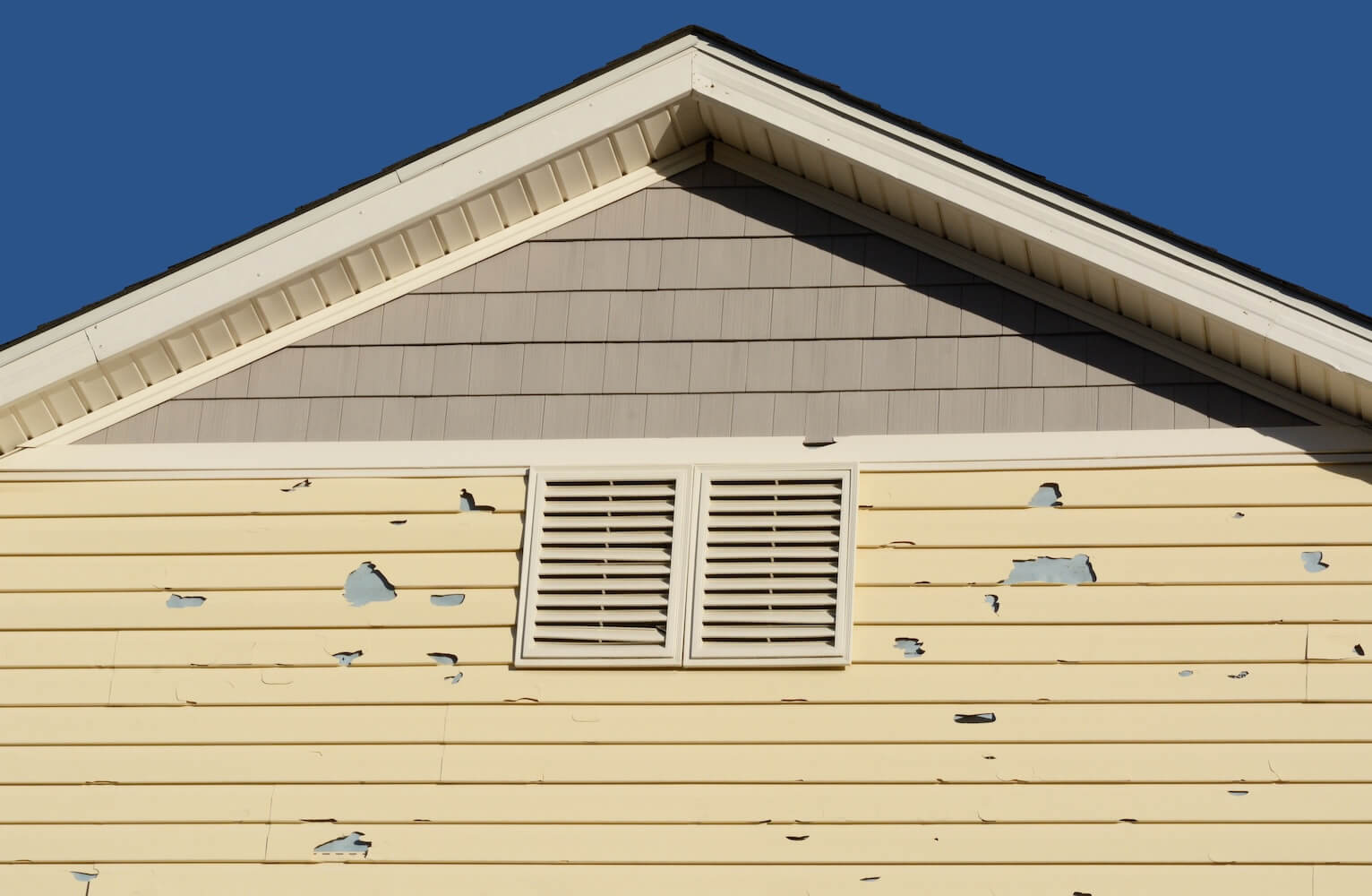
But painting over deteriorating siding can become an expensive mistake. If boards are rotting, moisture is getting behind the exterior, or previous repairs have repeatedly failed, new paint may only hide a problem that continues to worsen.
The simplest rule is this: Paint siding when the material and underlying wall are sound. Consider replacement when the siding itself is deteriorating, moisture damage is widespread, or ongoing repairs no longer provide reliable protection.
For homeowners throughout Seattle, Kirkland, Bellevue, and Western Washington, understanding the difference can help avoid unnecessary expenses while protecting the home from further damage.
Here’s what to look for, how the two options compare, and what to consider before making a decision.
Is It Better to Paint or Replace Your Siding?
Neither option is automatically better. The right decision depends on the condition of the siding, the reason the exterior is deteriorating, and how much useful life the existing materials have left.
If your siding is structurally sound and the main concern is faded color, worn paint, or minor surface defects, professional exterior painting may be the most practical option.
If boards are soft, swollen, extensively cracked, or repeatedly allowing moisture to reach the wall, replacement may be necessary to address the underlying problem.
There is also a third possibility that homeowners sometimes overlook: repairing or replacing damaged sections of siding before repainting the rest of the house.
Quick Comparison: Painting vs. Siding Replacement
| Existing condition | Option to consider | Why |
|---|---|---|
| Faded color with sound siding | Repainting | Restores the finish without replacing usable material |
| Peeling paint with firm, dry siding | Surface preparation and repainting | The coating may have failed while the siding remains serviceable |
| A few damaged boards | Localized siding repair and painting | Preserves sound siding while addressing isolated deterioration |
| Repeated peeling in one area | Moisture investigation before painting | Water exposure may be causing the finish to fail |
| Widespread rot or deteriorated siding | Siding replacement | New paint cannot restore damaged material |
| Damaged sheathing or failed flashing | Repair the wall assembly, then finish or replace siding | The source of water intrusion must be corrected |
| Multiple expensive repairs over time | Evaluate replacement | Continued patching may provide diminishing value |
These are starting points, not a substitute for evaluating the actual condition of the home.
Unsure what your siding needs? Request an exterior estimate from Ferdi Roofing & Siding.
When Repainting Your Siding Makes Sense
Exterior painting is often the better investment when the siding itself is still performing properly.
A weathered appearance doesn’t necessarily mean a home needs new siding. Many materials can remain functional long after their original finish begins showing age.
1. The siding is structurally sound
Painted wood siding, fiber cement, and other compatible exterior materials can often be refinished when their surfaces remain stable.
Look for boards that are firmly attached, maintain their original shape, and show no significant rot, swelling, or physical deterioration.
The existing finish may need considerable preparation, but that is different from needing entirely new siding.
2. The main problem is fading or discoloration
Sun exposure, rain, dirt, and seasonal weather gradually change the appearance of exterior finishes.
Some walls may fade more quickly than others because of their orientation and exposure.
When fading is the primary concern, repainting can dramatically improve the appearance of the house without changing the existing siding.
3. Peeling paint is limited to the finish
Peeling or flaking paint doesn’t always mean the material underneath is damaged.
Sometimes the problem is an aging coating, inadequate previous preparation, or poor adhesion between paint layers.
If the substrate remains sound and the cause of the failure has been addressed, properly preparing and repainting the surface may be sufficient.
The important distinction is whether the coating failed or the siding itself is failing.
4. Minor siding repairs can be completed before painting
A home may have several loose boards, damaged trim sections, or small areas that require repair.
When these issues are isolated, repairing the damaged components before painting can provide a more practical solution than replacing the entire exterior.
Painting after repairs can also help create a consistent finished appearance, especially when replacement boards differ slightly in color from existing materials.
Ferdi provides both siding repair and exterior painting services, allowing these improvements to be considered together.
When Siding Replacement Is the Better Investment
Repainting becomes less practical when the siding is no longer functioning reliably.
A new paint coating can improve appearance and protect a suitable surface, but it cannot restore rotted wood, correct failed flashing, or rebuild damaged wall sheathing.
Here are the conditions that deserve closer attention.
1. The siding is soft, rotting, or crumbling
Soft or deteriorating wood is a warning sign that the problem extends beyond ordinary paint wear.
Wood siding and trim may begin to break down when moisture remains in the material long enough to support decay.
If you notice soft boards, visibly deteriorated edges, or areas that have lost their structural integrity, painting over them will not reverse the damage.
Localized deterioration may be repairable. Widespread damage may make replacement more appropriate.
2. Boards are swollen, warped, or pulling away from the wall
Changes in siding shape can indicate moisture exposure, fastening problems, material movement, or other defects.
Wood based products can swell or distort when exposed to prolonged moisture.
Some materials also move naturally with temperature changes, so movement alone doesn’t establish that replacement is necessary.
However, when multiple boards are buckling, separating, or no longer sitting properly against the exterior, the underlying cause should be evaluated before repainting.
3. Paint keeps peeling in the same locations
If the same wall or section of siding repeatedly peels soon after repainting, another coat of paint is unlikely to solve the problem by itself.
Recurring finish failure can result from moisture, inadequate preparation, incompatible coatings, or other conditions.
The location of the damage can provide useful clues.
Peeling directly below a gutter, around a window, or where a roof meets a wall may warrant investigation for drainage or flashing problems.
The coating might be the visible symptom rather than the source of the problem.
4. Moisture has reached the materials behind the siding
Siding is part of a larger exterior protection system.
Behind the visible siding, a properly constructed wall generally includes sheathing, a weather resistive barrier, and flashing that help control water entering behind the cladding.
According to the U.S. Department of Energy’s Building Science Education program, exterior wall drainage systems are intended to redirect incidental moisture away from vulnerable wall materials.
When those systems fail, water can affect sheathing, framing, trim, or insulation.
New paint cannot correct that kind of damage.
Depending on the extent of deterioration, the necessary work may include removing siding, repairing the affected wall, correcting the water entry point, and installing new cladding.
Learn more about exterior waterproofing and building envelope protection.
5. Repairs are becoming frequent and expensive
An occasional siding repair is normal.
However, if different sections of the house continue deteriorating, the cost of individual repairs and repeated painting can add up.
At some point, replacing aging siding may offer better long term value than continuing to maintain a failing exterior.
The decision should account for the extent of damage, the remaining useful life of the material, and the cost of the work required to keep it serviceable.
Can You Paint Over Damaged Siding?
Sometimes, but only after determining what caused the damage and whether the underlying material remains suitable for painting.
A small cosmetic imperfection is different from a rotted board or a failed window flashing detail.
Paint should not be used to cover unresolved moisture damage.
Sherwin Williams’ guidance on exterior peeling paint identifies moisture control, gutter repairs, roof problems, removal of unstable coatings, and proper surface preparation as important steps in addressing paint failure.
That means the correct sequence is often to identify the problem, repair the damaged material, allow surfaces to meet the coating manufacturer’s application requirements, and then paint.
A fresh exterior finish should be the final step in a successful repair, not a substitute for the repair itself.
Why Western Washington Weather Changes the Decision
Western Washington’s climate deserves consideration because exterior materials can remain damp for extended periods.
Rainfall, morning dew, shaded landscaping, tree coverage, and limited winter drying conditions influence how siding and paint perform.
A south facing wall receiving afternoon sunlight may age differently from a shaded north facing wall surrounded by trees.
Homes in Kirkland, Bellevue, Redmond, Woodinville, and surrounding communities also commonly have architectural details that create vulnerable transitions.
Examples include window trim, roof intersections, decks, gutters, and areas where siding meets hardscape.
These conditions do not automatically make painting a poor investment. They make evaluation and preparation especially important.
Painting over damp siding can create problems
Paint products have specific requirements for surface moisture, temperature, humidity, and drying conditions.
Applying paint when conditions fall outside those requirements can contribute to poor adhesion or other coating failures.
A professional painting project should account for the forecast, preparation, drying time, product specifications, and condition of the substrate.
Drainage problems should be fixed before painting
Gutters that overflow against siding or flashing that directs water behind a wall can repeatedly expose exterior materials to moisture.
Even a properly applied coating may deteriorate prematurely if the underlying drainage problem continues.
Correcting the water source should come before a new finish.
How Much Does It Cost to Paint a House Compared With Replacing Siding?
For a house with sound siding, repainting is generally less expensive than removing and replacing the exterior cladding.
That is because painting usually involves cleaning, preparation, localized repairs, priming where required, and applying the appropriate finish.
Siding replacement often involves additional labor and materials, including removing existing cladding, disposing of debris, inspecting exposed surfaces, replacing damaged sheathing when necessary, updating weather protection details, installing new siding, and completing trim and finishing work.
However, comparing only the initial price can be misleading.
A less expensive painting project may not be a good investment if the siding is already deteriorating and will need replacement soon afterward.
What affects exterior painting costs?
The cost of painting depends on several factors, including the home’s size, height, accessibility, siding material, current finish condition, preparation requirements, repairs, and coating system.
A two story home with significant peeling and extensive trim may require much more preparation than a smaller house with sound siding and a weathered finish.
What affects siding replacement costs?
Replacement costs depend on material selection, the amount of siding being removed, building height, access, architectural complexity, trim, flashing, and the condition of the wall underneath.
Concealed moisture damage may change the scope once deteriorated siding is removed.
Fiber cement, engineered wood, and cedar also have different material and installation requirements.
Which option provides better long term value?
Consider three scenarios.
A home with sound cedar siding and faded paint: Repainting may preserve an otherwise functional exterior at a substantially lower initial cost.
A home with a few rotten boards near a window: Targeted siding and flashing repairs followed by painting may be the most practical combination.
A home with widespread siding deterioration and repeated moisture problems: Full replacement may be more economical over time than continued patching and repainting.
The best investment is the one that addresses the actual condition of the house, rather than simply producing the lowest initial estimate.
What If Only Part of the Siding Needs Replacement?
Partial siding replacement can offer a useful middle ground.
When damage is concentrated on one elevation or around a specific opening, it may be possible to replace the affected area while preserving sound siding elsewhere.
The feasibility depends on the existing material, its condition, whether matching profiles are available, and whether the underlying wall can be repaired appropriately.
Matching older siding can be challenging because dimensions, profiles, textures, and finishes may have changed since the original installation.
Painting the repaired elevation, or sometimes the entire house, may help produce a more consistent appearance.
This approach is particularly worth discussing when the home has localized moisture damage but otherwise serviceable siding.
For a more detailed comparison of repairs and replacement, read Siding Repair vs. Siding Replacement: How to Decide.
Does the Type of Siding Affect Whether It Can Be Repainted?
Yes. Different materials have different finish requirements and maintenance expectations.
Wood and cedar siding
Painted wood siding can often be repainted when the boards are sound and adequately prepared.
Rotten or heavily deteriorated boards should be repaired or replaced before painting.
Cedar may also be stained, depending on its existing finish and condition. Switching between coating systems requires appropriate preparation and product compatibility.
Fiber cement siding
Many fiber cement products can be repainted using coatings approved by the siding manufacturer.
Factory finished products may have different maintenance guidance from products painted after installation.
Always follow the product’s finishing and maintenance requirements.
Engineered wood siding
Many engineered wood siding systems are designed for painted or factory applied finishes.
Repainting requirements depend on the product, existing coating, and manufacturer specifications.
Damaged edges and persistent moisture exposure should be addressed before refinishing.
Vinyl siding
Certain vinyl siding products can be painted with compatible coatings, but not every color or coating is suitable.
Heat absorption, thermal movement, and manufacturer warranty requirements can affect the decision.
Painting vinyl should be evaluated carefully rather than treated like painting wood siding.
Metal siding
Some painted metal siding can be recoated using appropriate surface preparation and compatible products.
The existing coating, metal type, corrosion condition, and product specifications need to be considered.
In every case, repainting should follow the requirements of the siding and coating manufacturers.
What Should a Contractor Inspect Before Recommending Painting or Replacement?
A useful exterior evaluation should consider more than the appearance of the paint.
The contractor should examine the condition of the siding material, where the damage is occurring, and whether other building components may be contributing to the problem.
Important areas include:
Siding condition: Are the boards firm, securely attached, and still structurally sound?
Existing finish: Is the problem fading, chalking, peeling, or poor paint adhesion?
Windows and doors: Is there evidence of water intrusion, damaged trim, or failed flashing?
Roof and gutters: Is runoff being directed onto the siding or behind the exterior?
Wall sheathing: Are there signs of concealed moisture damage that warrant further evaluation?
Previous repairs: Have the same problems returned despite earlier work?
Material compatibility: Is the existing siding appropriate for repainting, and what preparation is required?
Project goals: Is the homeowner looking for basic maintenance, a new exterior appearance, or a broader renovation?
If significant deterioration is suspected, limited removal or further investigation may be necessary to understand the condition behind the visible exterior.
Not every inspection requires opening a wall. The investigation should be appropriate to the symptoms and agreed project scope.
An Important Consideration for Older Washington Homes: Lead Paint
Homeowners with houses built before 1978 should consider the possibility of lead based paint before scraping, sanding, or removing old coatings.
The U.S. Environmental Protection Agency explains that renovation and painting activities can create hazardous lead dust when painted surfaces are disturbed.
Its Renovation, Repair and Painting Rule generally requires firms performing covered work in housing built before 1978 to have the appropriate certification and follow required work practices, subject to applicable exceptions and documented lead free determinations.
Before hiring a contractor for an older home, confirm that the work will comply with the applicable lead safety requirements.
For more information, see the EPA’s Renovation, Repair and Painting Program.
Should You Paint Before Selling Your House?
Exterior painting can improve a home’s presentation when the existing siding is sound but looks dated or worn.
Fresh paint can help create a cleaner and more consistent appearance for prospective buyers.
However, visible rot, recurring moisture problems, or damaged siding should not simply be covered up for the purpose of selling.
Those conditions may still need to be disclosed or addressed, depending on the circumstances and applicable requirements.
A useful approach is to evaluate the exterior first, identify necessary repairs, and then determine whether repainting will provide a worthwhile cosmetic improvement.
A property with structurally sound siding may benefit from a relatively straightforward refresh. A property with widespread deterioration may require a larger repair plan.
Planning an Exterior Painting or Siding Project in Kirkland, Bellevue, or Seattle?
Homeowners don’t always know which service they need when they first contact a contractor.
You may be looking at faded siding that needs professional painting, or you may be seeing the first visible signs of moisture damage behind the exterior.
Ferdi Roofing & Siding provides exterior painting, siding repair, siding installation, and replacement services throughout Kirkland, Bellevue, Seattle, Redmond, Bothell, Woodinville, Kenmore, Issaquah, Sammamish, Newcastle, Renton, and nearby communities.
Because Ferdi also works with roofing, gutters, windows, doors, and exterior waterproofing, homeowners can discuss related exterior conditions rather than considering the siding finish in isolation.
The goal is to determine which work is appropriate for the home, not to assume that every aging exterior needs complete replacement.
Frequently Asked Questions About Painting or Replacing Siding
Is it cheaper to paint siding or replace it?
Painting is generally less expensive initially when the existing siding is structurally sound. Replacement usually involves removing old material, installing new siding, and addressing additional wall details. However, extensive painting preparation, repeated repairs, or hidden moisture damage can change the financial comparison.
Does peeling paint mean siding needs to be replaced?
No. Peeling paint may result from an aging finish, poor surface preparation, moisture, or coating adhesion problems. If the siding underneath remains sound and the source of the problem is corrected, repainting may be sufficient. Soft, rotten, swollen, or extensively damaged siding requires further evaluation.
Can you paint over old siding?
Many types of old siding can be repainted if the material remains suitable for coating and the surface is properly prepared. Wood, fiber cement, and some engineered wood, vinyl, and metal products have different finishing requirements. The existing material and manufacturer guidance should be checked before painting.
Should you replace siding before painting your house?
Damaged sections should generally be repaired or replaced before the final painting process. Full siding replacement is not necessary when the existing exterior remains sound. A contractor can help determine whether localized repairs, broader replacement, or preparation alone will produce a durable result.
Will painting stop water from getting behind siding?
Paint can help protect suitable exterior materials, but it does not replace the wall’s weather resistive barrier, flashing, or drainage details. If water is entering through a failed roof connection, window flashing, damaged joint, or another opening, the source needs to be corrected.
Can you replace a few siding boards and paint the rest?
Yes, this is often practical when damage is limited and compatible replacement siding can be obtained. Differences in texture, profile, and existing finish may affect how closely the repairs match. Repainting a larger section can sometimes create a more consistent appearance.
How do I know if my siding has water damage?
Warning signs can include soft or swollen boards, recurring paint failure, loose siding, deteriorated trim, staining, and moisture around windows or doors. Some damage may be concealed behind the exterior. An inspection can help determine whether the concern is cosmetic or involves the underlying wall assembly.
Is fiber cement siding worth replacing wood siding with?
Fiber cement can be a strong alternative to wood because of its resistance to rot and insects and its relatively manageable maintenance needs. However, sound wood siding does not automatically need replacement. The decision should consider its remaining condition, future upkeep, project cost, and the homeowner’s preferred appearance.
How do I decide whether to repaint or replace my siding?
Start with the condition of the material rather than the appearance of the finish. Repainting usually makes sense when siding is sound and the primary concern is the coating. Localized repairs may be sufficient for limited damage. Replacement deserves consideration when deterioration is widespread, moisture damage affects the wall, or repeated repairs are no longer practical.
Get the Right Solution for Your Home’s Exterior
Repainting and siding replacement are both worthwhile investments when they address the right problem.
A fresh coat of paint can extend the usefulness of sound siding and transform the appearance of a home. Replacing deteriorated siding can provide an opportunity to correct damaged materials, improve moisture management, and install a new exterior system.
The most important step is understanding what condition your siding is actually in before deciding how much work to undertake.
Ferdi Roofing & Siding helps Washington homeowners evaluate exterior painting, siding repairs, and replacement options based on their home’s condition and project goals.
Request an Exterior Estimate or call 425-495-7795 to discuss your siding or painting project.