How Long Does Roof Replacement Take?
Replacing your roof is a significant home improvement project, and one of the first questions homeowners ask is how long the work will take.
Will you need to leave your house? How many days will the installation crew be there? What happens if it starts raining halfway through the project?
For homeowners in Kirkland, Bellevue, Seattle, and throughout Western Washington, these are important questions. Roof replacement involves much more than installing new shingles, and our region’s unpredictable weather can influence how the work is scheduled.
Most residential roof replacements take approximately one to three working days once installation begins. A straightforward asphalt shingle roof may be completed within one or two days, while larger homes, complicated roof designs, metal roofing systems, or unexpected structural repairs can require additional time.
The full process, from the initial inspection to the completed roof, takes longer because it includes estimating, material selection, scheduling, and project preparation.
Understanding each stage can help you plan ahead, prepare your property, and know what to expect when the roofing crew arrives.
Here’s how residential roof replacement typically works in Washington and what can affect the timeline.
How Long Does It Take to Replace a Roof in Washington?
The actual installation time depends on the roof’s size, design, material, accessibility, and condition.
For many residential homes, the following timelines are reasonable starting points.
Asphalt shingle roof replacement
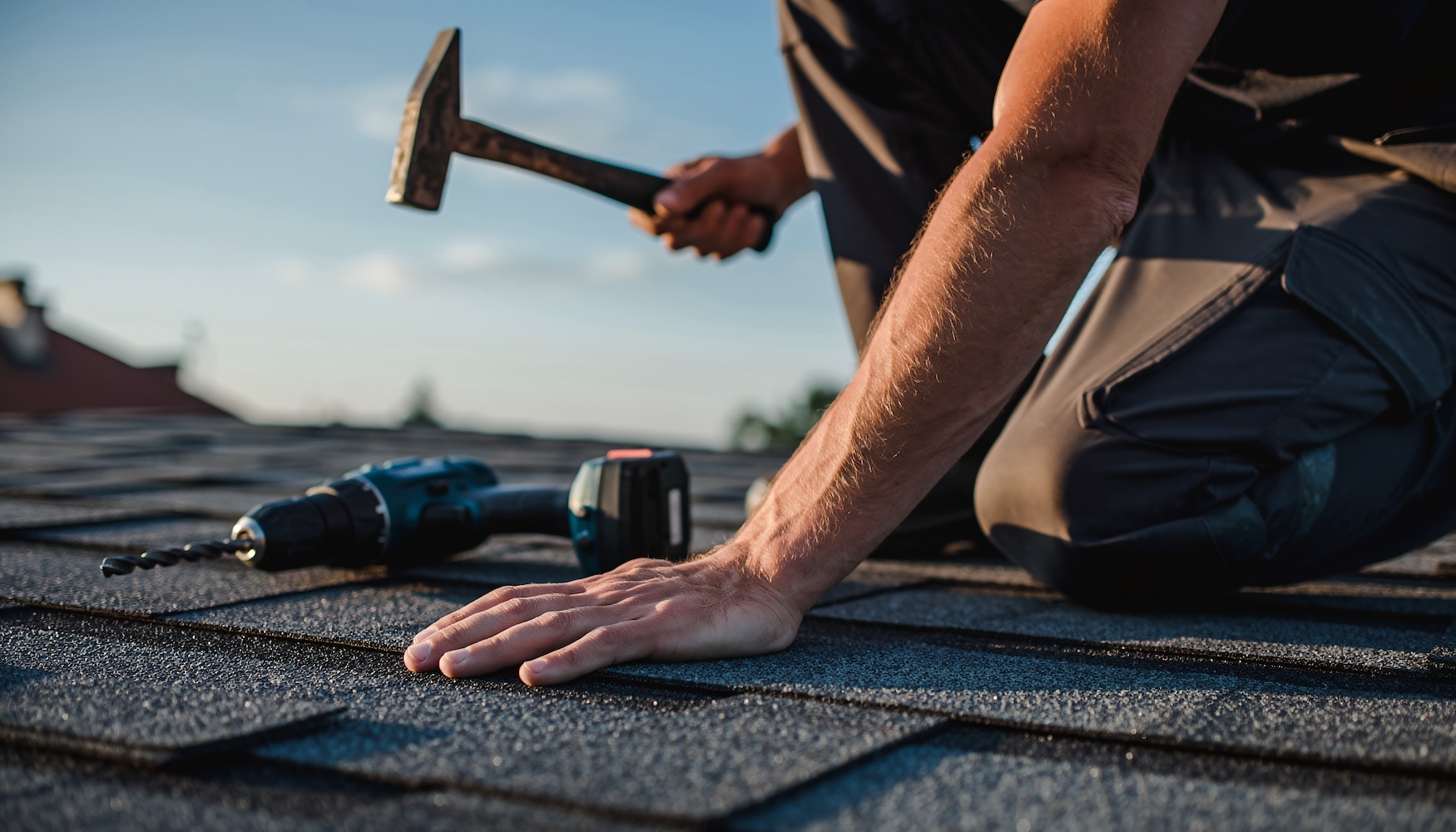
Many standard residential asphalt shingle roofs can be replaced in approximately one to three working days.
A smaller, accessible roof with a relatively simple design may be completed sooner. A larger home with steep slopes, multiple valleys, skylights, or damaged decking may take longer.
Roofing manufacturer GAF notes that an average residential asphalt shingle replacement can often be completed within one or two days, although conditions vary.
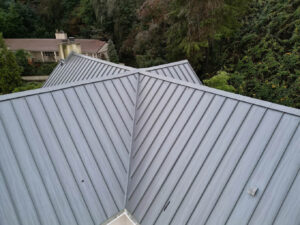
Standing seam metal roof replacement
Metal roofing projects often require more installation time than straightforward asphalt shingle replacements.
Standing seam roofing involves specialized panels, fastening systems, flashing, and careful detailing around roof intersections and penetrations.
The installation schedule depends on panel fabrication, roof geometry, metal type, and the selected roofing system.
A simple metal roof may progress relatively quickly, while a complicated residential metal roofing project can take several days or longer.
Large or complicated residential roofs
Homes with steep rooflines, extensive architectural details, difficult access, or several roofing sections may require additional working days.
Older homes with concealed moisture damage may also need repairs before new roofing materials can be installed.
The most useful timeline is one based on your actual roof, not a general industry average.
A professional roof inspection can help identify the conditions most likely to affect the project.
Planning to replace your roof? Request an estimate from Ferdi Roofing & Siding.
What Happens During a Roof Replacement?
A typical roof replacement follows a series of steps, beginning well before the first roofing materials are removed.
Understanding the sequence helps explain why some jobs take longer than others and why careful preparation is necessary.
Step 1: Roof Inspection and Project Evaluation
Before recommending replacement, a roofing contractor should evaluate the condition of the existing roofing system.
This generally includes examining visible roofing materials, signs of deterioration, roof penetrations, flashing, ventilation, and evidence of moisture intrusion.
The contractor may also review attic conditions and accessible structural components where appropriate.
The purpose is to understand what needs to be replaced and whether other problems should be addressed during installation.
For example, a roof with widespread shingle deterioration may need complete replacement, while an isolated leak caused by damaged flashing might be repairable.
Not every roofing problem requires a new roof.
An inspection also helps identify features that influence project planning, including steep slopes, skylights, chimneys, and restricted access.
Step 2: Material Selection and Written Estimate
Once the roof has been evaluated, the contractor can discuss appropriate roofing options and prepare an estimate.
Common residential roofing materials in Western Washington include architectural asphalt shingles and standing seam metal roofing.
Each has different installation methods, material requirements, expected service life, and cost considerations.
A written estimate should identify the roofing materials, proposed work, removal requirements, flashing, underlayment, ventilation considerations, and any known repairs.
It should also explain how unexpected damage will be handled if additional problems are discovered after the old roof is removed.
If you’re still comparing materials, see our guide to metal roofing versus asphalt shingles in Washington.
Step 3: Scheduling, Materials, and Property Preparation
After the project is approved, the contractor coordinates the installation schedule.
This stage may involve ordering materials, arranging delivery, reviewing site access, and confirming equipment needs.
Material availability can affect the start date, especially for roofing products that require special ordering or fabrication.
The contractor should also determine whether permits or inspections apply to the proposed work.
The scheduled installation date is different from the number of days required to install the roof.
A project expected to take two working days may still require additional lead time for materials, scheduling, and other preparations.
Before installation, homeowners should receive information about site access, where vehicles should be parked, and how the property will be protected.
Step 4: Protecting the Home and Removing Existing Roofing
When installation begins, the roofing crew prepares the work area.
Depending on the property, this may include protecting landscaping, establishing safe access routes, placing debris containers, and taking precautions around windows, siding, and other exterior features.
If the project includes removing the existing roofing, workers carefully remove the old shingles or panels and the components specified in the scope of work.
This process is often referred to as roof removal or tear off.
Removing the existing materials allows the contractor to evaluate the exposed roof deck before installing the new system.
Roof removal can be noisy, and debris removal is an important part of maintaining a safe work area.
Step 5: Inspecting the Roof Deck and Making Necessary Repairs
Once the existing roofing is removed, the contractor can inspect areas of the roof deck that were previously concealed.
The deck is the structural surface supporting the roofing system, commonly constructed using plywood or oriented strand board.
It should provide a suitable substrate for the selected roofing materials and fastening system.
Deteriorated or unsuitable decking may need to be replaced before installation continues.
This is one of the most common reasons a project may take longer than originally anticipated.
A roof that looks relatively normal from the outside may have concealed damage caused by past leaks, inadequate flashing, or prolonged moisture exposure.
If unexpected damage is discovered, homeowners should be informed about the findings, recommended repairs, additional costs, and any necessary schedule changes.
It’s important to address these problems before covering the roof with new materials.
Step 6: Installing Underlayment, Flashing, and Roofing Materials
After the roof deck has been prepared, the contractor installs the components required by the selected roofing system.
These may include underlayment, ice and water protection in appropriate locations, drip edge, flashing, ventilation components, starter materials, shingles, or metal panels.
The exact installation sequence varies by roofing product and manufacturer.
Particular attention should be given to areas where water is concentrated or where the roofing surface is interrupted.
Examples include roof valleys, chimneys, skylights, plumbing vents, walls, and roof edges.
These details matter because a roof’s performance depends on more than the visible shingles or metal panels.
Underlayment, flashing, fastening, drainage, and ventilation all contribute to the system’s ability to protect the home.
For homeowners considering conventional residential roofing, learn more about asphalt shingle roof installation.
Step 7: Final Inspection and Cleanup
After installation, the contractor should review the completed work and address any remaining items in the project scope.
The final review may include checking visible roofing details, flashing, penetrations, ventilation components, and other installation features.
Cleanup is also part of the process.
This generally includes removing roofing debris, checking areas around the house for discarded fasteners and materials, and clearing the work area.
Homeowners should receive information about applicable warranties, documentation, and maintenance recommendations.
Any required municipal inspection or closeout process should also be completed according to the applicable local rules.
The project isn’t finished simply because the last shingle has been installed. A proper final review and cleanup are part of a complete roof replacement.
What Can Delay a Roof Replacement?
A roofing project can take longer than expected for several reasons.
Some conditions can be identified during the initial inspection. Others may not become apparent until work begins.
Rain and changing weather conditions
Weather is one of the most important scheduling considerations in Western Washington.
Rain can create unsafe working conditions and increase the risk of exposing the roof deck or interior of the home to moisture.
A contractor may need to adjust the schedule, postpone removal, or temporarily protect exposed areas until suitable installation conditions return.
Work should not continue simply to meet an estimated completion date if doing so would compromise safety or the roofing system.
Hidden roof deck damage
Damaged plywood, deteriorated sheathing, or other concealed structural problems can require additional repairs.
The extent of the work may not be known until the existing roofing materials have been removed.
Complicated roof design
A roof with numerous valleys, hips, dormers, chimneys, skylights, and intersecting sections requires more detailed installation work.
Each transition may need specialized flashing or additional cutting and fitting.
Steep roof slopes
Steep roofs can require additional access equipment, fall protection, and careful material handling.
These conditions may increase installation time even when the total roof area is relatively modest.
Special roofing materials
Certain metal roofing systems, specialty shingles, or architectural roofing products require additional installation procedures.
Custom fabrication and material availability can also influence the project schedule.
Ventilation and drainage improvements
If the existing roof has inadequate ventilation or drainage problems, related improvements may be included in the replacement scope.
These changes should be planned appropriately rather than overlooked to shorten installation time.
Can You Replace a Roof During Washington’s Rainy Season?
Yes. Residential roofs can be replaced during different times of the year, including the wetter months, when weather conditions allow the work to be performed safely and according to material requirements.
However, the schedule may need to remain flexible.
Western Washington’s rainy season can bring periods of persistent precipitation, short daylight hours, wet roof surfaces, and occasional freezing conditions.
These factors can affect installation and worker safety.
Why a dry installation window matters
When old roofing materials are removed, the underlying roof becomes more vulnerable until suitable protective layers are installed.
Roofing contractors must plan the work so exposed areas can be protected from unexpected precipitation.
Certain products also have installation requirements related to temperature, surface conditions, adhesives, or sealant performance.
The specific requirements depend on the roofing material and manufacturer.
Does cold weather affect asphalt shingles?
Cold conditions can affect the handling and sealing of some asphalt shingle products.
Self sealing adhesive strips may take additional time or suitable temperatures to achieve a complete bond.
Manufacturers may provide specific instructions for cold weather installation, including supplemental sealing where required.
A contractor should follow the applicable product instructions rather than assume every shingle behaves identically.
Is summer the best time to replace a roof?
Summer often provides more predictable dry weather for exterior construction in Western Washington.
However, that doesn’t mean roof replacement must wait until summer.
A suitable weather window, an appropriate installation plan, and the condition of the existing roof are more important than selecting a particular month.
If a roof is already leaking or severely deteriorated, delaying necessary repairs for several months may allow additional damage to develop.
How Should You Prepare Your Home for Roof Replacement?
A little preparation can make the installation process easier for both the homeowner and the roofing crew.
The contractor should provide project specific instructions, but most homeowners can expect to take several practical steps.
Move vehicles away from the house
Roofing work often requires access for material deliveries, equipment, and debris removal.
Move vehicles out of the driveway when requested, and confirm where crews and delivery vehicles will need access.
This also helps protect parked vehicles from falling debris.
Clear areas around the exterior
Move portable furniture, planters, children’s toys, grills, and other belongings away from designated work areas.
If the property has delicate landscaping or outdoor structures, identify them before the project begins.
The contractor should explain which areas need to remain accessible.
Protect fragile items inside the house
Roof removal and installation can produce vibration and noise.
Consider securing fragile objects, especially items hanging on walls or stored in areas directly beneath the roof.
In the attic, stored belongings may need to be protected from dust or small amounts of debris, depending on the construction and work involved.
Make arrangements for pets and children
Roofing work involves ladders, tools, materials, and falling debris.
Children and pets should be kept away from active construction areas.
Some animals may also be distressed by the noise.
If needed, arrange for pets to stay somewhere quieter during the work.
Plan for noise and temporary disruption
Roof replacement is usually loud, particularly during removal and fastening.
If you work from home, hold video meetings, or have family members who need a quiet environment, consider arranging an alternative workspace for the busiest installation periods.
Discuss attic access, skylights, and existing leaks
Let the contractor know about previous leaks, attic moisture, interior stains, or areas of the roof that have caused concern.
Also identify any known skylight problems or ventilation issues.
This information may help the crew evaluate details that deserve attention during replacement.
Do You Need to Leave Your Home During Roof Replacement?
In many cases, homeowners can remain inside while the roof is being replaced.
However, there will likely be substantial noise and some vibration.
The work may also temporarily affect access to parts of the property.
Certain projects involving extensive structural repairs, unusual safety conditions, or significant interior work may require additional arrangements.
Your contractor should explain any conditions that affect occupancy before the work begins.
If you have pets, small children, or need a quiet place to work, spending the day elsewhere may be more comfortable even when remaining home is permitted.
What Happens if It Rains While Your Roof Is Being Replaced?
Rain can interrupt roofing work, but professional project planning should account for changing weather conditions.
The contractor should monitor the forecast and determine how much roofing can be safely removed and protected during the available work period.
If unexpected precipitation develops, the crew may need to stop work and implement appropriate temporary protection.
Temporary coverings can reduce exposure, but they are not the same as a completed roofing system.
Homeowners should ask how the contractor plans to protect exposed roof sections and what happens if weather prevents work from continuing.
In Western Washington, this is a particularly important question to discuss before scheduling a replacement.
A realistic roofing schedule should include a plan for weather delays, not just an estimated completion date.
Do You Need a Permit to Replace a Roof in Washington?
Permit requirements depend on the city or jurisdiction, building type, and extent of the proposed work.
Washington homeowners should not assume that every roof replacement either requires or is exempt from a permit.
For example, the Seattle Department of Construction and Inspections states that many roof replacements on one and two family homes and townhouses are exempt when the work does not make certain changes to the building envelope. Different requirements apply to commercial or multifamily buildings and projects involving changes outside the exemption.
Requirements in Kirkland, Bellevue, Redmond, and other communities must be checked with the relevant local building department.
Structural changes, alterations to the roof assembly, and other work can affect the permitting requirements.
Before starting, ask your contractor whether permits are required, who will obtain them, and whether inspections or final documentation are necessary.
For current Seattle requirements, refer to the Seattle Department of Construction and Inspections roofing permit guidance.
Should You Replace Gutters or Skylights at the Same Time?
Roof replacement provides an opportunity to evaluate the condition of other exterior components connected to the roofing system.
That doesn’t mean every component must be replaced.
However, coordinating certain improvements may be practical when they are already needed.
Gutters and downspouts
If gutters are damaged, leaking, improperly sloped, or no longer handling runoff effectively, replacing them during the roofing project may simplify coordination.
Proper gutter drainage helps direct water away from fascia, siding, and foundation areas.
If the existing gutters are in good condition, replacement may not be necessary.
Learn more about gutter installation and replacement.
Skylights
Older skylights should be evaluated when the surrounding roof is replaced.
A skylight may still be serviceable, but its flashing and compatibility with the new roofing system deserve attention.
If the skylight is already leaking, damaged, or nearing the end of its useful life, coordinating replacement can avoid disturbing the new roofing later.
See Ferdi’s skylight installation and repair services.
Siding and roof flashing
Where roofing meets siding, properly integrated flashing helps prevent water from entering the wall.
If siding around these transitions is damaged, coordinating repairs with roof replacement may improve the overall water management system.
Read our guide to replacing your roof and siding at the same time.
What Should You Ask Your Roofing Contractor Before Installation?
A good roofing estimate should explain more than the total price.
Before approving a roof replacement, ask questions that help you understand the process, timing, and expectations.
How long is my specific roof expected to take?
Ask for an estimate based on the roof’s size, material, layout, and known conditions.
What happens if rain delays the installation?
Understand how scheduling changes will be communicated and how unfinished areas will be protected.
Will the old roof be removed?
Confirm whether the proposal includes removal and disposal of existing roofing materials.
How will unexpected decking damage be handled?
Ask how additional work will be documented, approved, and priced.
What roofing materials and components are included?
The proposal should identify more than the visible shingles or metal panels.
How will my landscaping and property be protected?
Discuss access, debris removal, exterior protection, and final cleanup.
Who is responsible for any required permits?
Clarify permit responsibilities before work begins.
What warranties apply?
Understand the difference between manufacturer material warranties and contractor workmanship warranties, including their terms and limitations.
Washington homeowners can also use the Washington Department of Labor & Industries contractor verification tool to check contractor registration and related information.
Roof Replacement in Kirkland, Bellevue, Seattle, and the Eastside
Homes throughout Western Washington face conditions that make roofing installation details especially important.
Rainfall, shaded roofs, moss growth, aging flashing, and seasonal moisture can all affect roofing performance.
Ferdi Roofing & Siding provides roof inspection, repair, installation, and replacement services for homeowners throughout Kirkland, Bellevue, Redmond, Bothell, Woodinville, Issaquah, Sammamish, Newcastle, Kenmore, Seattle, Renton, and surrounding communities.
Our roofing services include architectural asphalt shingles, standing seam metal roofing, flashing, ventilation considerations, and related exterior improvements.
The replacement process begins with understanding the existing roof, selecting appropriate materials, and identifying the work necessary for a properly installed roofing system.
For homeowners preparing to replace an aging or damaged roof, that planning helps establish a realistic scope and installation schedule.
Request a Roof Replacement Estimate
Frequently Asked Questions About Roof Replacement Timelines
Can a roof be replaced in one day?
Yes. Some smaller or straightforward residential asphalt shingle roofs can be replaced in one working day when conditions are favorable. Larger homes, complicated roof designs, unexpected repairs, and weather interruptions may require additional time. A one day installation should not be treated as a guaranteed schedule.
How long does it take to replace a 2,000 square foot roof?
A straightforward asphalt shingle roof with approximately 2,000 square feet of roof area may be completed within one to three working days. The exact schedule depends on roof pitch, complexity, material, access, crew size, weather, and deck condition. The home’s interior square footage is not necessarily the same as its roof area.
How long does metal roof replacement take?
Standing seam metal roofing often takes longer than a straightforward asphalt shingle replacement because of specialized panel installation, flashing, and roof details. Some projects require several working days or longer. The contractor should provide a timeline based on the specific metal roofing system and roof configuration.
How long does the entire roof replacement process take from estimate to completion?
The entire process includes inspection, estimating, selecting materials, approving the project, scheduling, possible permitting, and installation. These stages can extend the overall timeline beyond the one to three days commonly associated with physical installation. Material availability and contractor schedules vary.
Can roofers work while it's raining?
Some roofing related tasks may be possible under certain wet weather conditions, but rain can make roofs slippery and expose vulnerable materials to moisture. Whether work can proceed depends on safety, the specific task, product requirements, and protective measures. Roofing installation should not continue when conditions compromise safety or the completed system.
Is it safe to stay home during roof replacement?
Homeowners can often remain inside during ordinary residential roof replacement, although the work can be noisy and cause vibration. Children and pets should stay away from construction areas. Projects involving unusual structural or safety conditions may require other arrangements.
What happens if rotten roof decking is discovered?
Deteriorated decking may need to be removed and replaced before the new roofing system is installed. This can increase the cost and duration of the project. The contractor should document the problem, explain the necessary repairs, and obtain authorization for additional work according to the agreement.
Do I need to replace gutters when installing a new roof?
Not necessarily. Gutters that are functioning properly may be retained. If they’re damaged, leaking, poorly draining, or due for replacement, coordinating gutter work with roof replacement may be practical.
What time of year is best for roof replacement in Washington?
Periods of suitable dry weather often make roofing work easier to schedule, but roofs can be replaced in different seasons when weather and product requirements permit. The best time depends on the roof’s condition, available installation windows, material selection, and urgency of the work.
Ready to Plan Your Roof Replacement?
A residential roof replacement doesn’t necessarily require weeks of construction.
Many projects can be completed within a few working days, but the quality of the installation matters far more than finishing as quickly as possible.
A properly planned project considers the roof’s condition, material selection, weather, flashing, drainage, ventilation, and the possibility of concealed damage.
Understanding the process before installation begins can help you prepare your property and make informed decisions about your home’s protection.
Ferdi Roofing & Siding helps homeowners throughout Kirkland, Bellevue, Seattle, and the Eastside evaluate roof replacement options and plan the work based on their property’s needs.
Request Your Roof Replacement Estimate or call 425-495-7795 to discuss your roofing project.