
What Happens If You Don’t Replace Damaged Siding?
If damaged siding is left untreated, the problem can spread beyond the siding itself. Cracks, rot, loose boards, failed joints, and other openings can allow more water to reach the layers behind the exterior. Over time, that moisture can affect the weather resistant barrier, sheathing, insulation, framing, trim, and even interior walls.
That doesn’t mean every cracked board requires a full siding replacement. Localized damage can often be repaired when it is caught early and the surrounding wall system is still in good condition.
The risk comes from ignoring siding that is no longer protecting the home properly.
For homeowners in Kirkland, Bellevue, Redmond, Seattle, and throughout Western Washington, siding problems deserve particular attention because exterior walls regularly deal with rain, damp conditions, shaded areas, and limited drying periods. Ferdi Roofing & Siding already evaluates siding as part of the home’s larger water management system rather than treating the visible exterior as the only protective layer.
How Serious Is Damaged Siding?
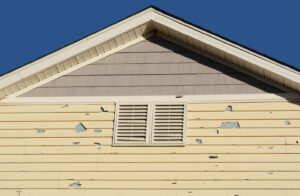
Damaged siding can range from a small cosmetic problem to an indication of a much larger moisture issue.
A single cracked or damaged board may only require a localized repair.
But when siding is soft, rotting, swollen, pulling away from the house, repeatedly failing, or allowing moisture behind the exterior, delaying repairs can give water more time to affect the materials underneath. Ferdi’s siding replacement guidance identifies warped, soft, rotting, loose, swollen, and water damaged siding among the conditions that warrant closer inspection.
The important question isn’t simply: “How bad does the siding look?”
It’s: “Is the wall underneath still dry and sound?”
Siding Isn't the Only Layer Keeping Water Out
It helps to understand how an exterior wall is supposed to work.
Siding is the visible outer cladding, but it is not typically intended to be the wall’s only defense against water. Modern wall assemblies use a drainage plane or water-resistant barrier behind the cladding to catch incidental moisture and direct it safely down and out of the wall. The U.S. Department of Energy specifically recommends a continuous drainage plane behind exterior cladding to protect wall cavities from moisture.
That means some water getting behind exterior cladding does not automatically mean the wall will fail.
Problems develop when damaged siding is combined with conditions such as failed flashing, damaged house wrap, improper clearances, deteriorated sealants, poor drainage, or repeated moisture exposure.
If those secondary protections are compromised too, water can reach materials that were never intended to remain wet.
What Happens When Damaged Siding Is Ignored?
The damage often progresses in stages.
A small siding defect does not instantly create structural damage. Instead, an unresolved problem can allow repeated exposure over months or years.
1. More Water Can Reach the Wall Behind the Siding
Cracked, missing, loose, or deteriorated siding can create additional paths for wind-driven rain and runoff.
The wall should still have a functioning drainage plane behind the siding, but that system depends on proper installation and integration with flashing.
The Department of Energy notes that housewrap and other weather-resistant barriers need to be correctly integrated with flashing materials to perform as intended.
When both the visible siding and the layers behind it are compromised, moisture can reach the sheathing or wall cavity.
2. The Sheathing Can Begin to Deteriorate
Behind most siding is structural wall sheathing, often plywood or oriented strand board.
If sheathing is repeatedly exposed to moisture and cannot dry properly, deterioration can develop over time.
That is one reason professional siding replacement typically involves removing failed siding and inspecting what is underneath. James Hardie’s project planning guidance specifically describes repairing or replacing compromised sheathing and addressing housewrap or moisture barriers as part of preparing a wall for new siding.
Ferdi follows the same broader approach on replacement projects by inspecting for hidden rot, moisture damage, sheathing problems, weather barrier issues, and flashing conditions once failed siding is removed.
3. Rot Can Spread Beyond the Original Siding Damage
A visibly rotten siding board may not be the full extent of the problem.
If moisture has reached wood sheathing, trim, or framing, the damaged area can become larger than what is visible from outside.
This is particularly important around windows, doors, decks, roof to wall intersections, and other transitions where multiple materials meet.
Properly installed flashing around windows and doors is specifically designed to direct water outward instead of allowing it into the wall cavity.
If that flashing has failed, replacing only the visibly damaged siding may not solve the source of the moisture.
4. Insulation and Interior Materials Can Be Affected
Once water moves farther into an exterior wall, the project is no longer limited to siding.
Depending on the location and severity of the moisture, insulation, drywall, trim, paint, and other interior materials can eventually be affected.
You might first notice an exterior problem and later see staining or paint changes inside the house.
Ferdi’s building-envelope guidance identifies moisture around windows, interior stains, rotting trim, siding deterioration, and concealed water intrusion as problems that can be connected to failures elsewhere in the exterior system.
The visible location of moisture is not always where the water entered.
5. The Repair Can Become More Extensive
This is one of the biggest reasons not to put off known siding damage.
Replacing several failed siding boards is a very different project from removing siding, replacing damaged sheathing, rebuilding trim, correcting flashing, repairing the weather resistant barrier, and then installing new siding.
Ferdi’s siding replacement scope reflects this difference. Hidden rot, sheathing repairs, weather-barrier replacement, window and door flashing, trim work, and moisture-management improvements can all become part of a replacement project when underlying damage is discovered.
Addressing a problem earlier gives you a better chance of keeping the repair localized.
6. Windows and Doors Can Become Vulnerable
Windows and doors are some of the most important transitions in an exterior wall.
The flashing around these openings should work with the drainage plane to move water safely outside. The Department of Energy recommends properly lapped sill, side, and head flashing that integrates with the wall’s water-management layer.
When siding or trim around an opening starts to fail, water may find a path behind the exterior.
Warning signs can include swollen trim, peeling paint, recurring staining below windows, soft materials around an opening, or interior staining near an exterior wall.
These symptoms are worth investigating because replacing a damaged siding board will not correct improperly installed window flashing.
7. Roof-to-Wall Areas Can Develop Hidden Water Damage
One of the most vulnerable exterior locations is where a roof terminates against a vertical wall.
These areas depend on properly integrated step flashing and kickout flashing to move roof runoff away from the wall and into the gutter.
Manufacturer guidance for exterior siding systems specifically requires flashing at roof-to-wall intersections and kickout flashing where appropriate to direct water away from the siding.
If water is repeatedly directed behind siding at one of these transitions, damage may appear below the actual point of entry.
This is why Ferdi evaluates roofing, siding, flashing, gutters, windows, and drainage together when the source of water intrusion is unclear.
8. Bad Gutters Can Make Damaged Siding Worse
Sometimes the siding is the victim rather than the original cause.
A clogged, sagging, leaking, or poorly draining gutter can send large amounts of water directly down an exterior wall.
Ferdi identifies staining, paint failure, warped siding, rot, damaged trim, and hidden moisture among the potential consequences when gutter water repeatedly runs over the siding.
If damaged siding is directly below a gutter, roof valley, or downspout connection, the drainage system should be inspected before the siding repair is considered complete.
Otherwise, the new material could be exposed to the same condition that damaged the original siding.
9. Exterior Paint May Start Failing Repeatedly
Peeling or bubbling paint is not always evidence that the siding itself needs replacement.
Paint eventually ages.
But paint that repeatedly fails in the same area deserves more attention.
Persistent moisture moving through or behind exterior materials can prevent finishes from performing normally.
Simply repainting the surface may improve the appearance temporarily without addressing the reason the coating continues to fail.
This is especially important with wood siding and trim, where moisture management and routine maintenance have a major effect on long-term performance. James Hardie likewise notes that traditional wood siding is susceptible to swelling, warping, cracking, and other changes associated with moisture exposure.
10. You May Eventually Need More Siding Replaced
A small repair is often preferable to premature replacement of an otherwise functional exterior.
But there is a point where repeated repairs stop making financial or practical sense.
Ferdi recommends considering repair when damage is isolated and the surrounding siding and wall remain sound. Replacement becomes more appropriate when deterioration appears across multiple areas, siding is repeatedly failing, moisture has entered behind it, or hidden damage has become widespread.
Waiting does not guarantee that a localized problem will become a full replacement project.
But it can reduce your options if deterioration continues to spread.
Does Cedar Siding Rot?
Western Red Cedar is naturally resistant to rot and decay, but that doesn’t mean it can’t deteriorate.
Cedar may develop problems when it remains wet for extended periods, is installed too close to roofing or soil, lacks proper flashing, or has a failed protective finish. Moisture can also become trapped behind the siding when the wall assembly doesn’t have adequate drainage.
Common cedar siding problems include:
- Peeling or failed finishes
- Dark staining
- Surface checking
- Split boards
- Loose fasteners
- Rot near the bottom of walls
- Deterioration around windows and doors
- Damage where siding meets roofing
- Moisture trapped behind trim
The material’s natural durability gives it an advantage over less resistant wood species, but cedar still needs thoughtful design and ongoing care.
The Western Red Cedar Lumber Association states that properly finished and maintained cedar can provide decades of service. It also recommends additional protection when the wood will experience prolonged exposure to conditions that encourage decay.
How Long Can You Leave Damaged Siding?
There’s no safe universal timeframe. A small cosmetic chip in otherwise sound siding is very different from a soft board beside a leaking window or a section of siding that has pulled away at a roof-to-wall intersection.
What matters is: the type of damage, where it is located, what caused it, and whether water is getting behind it.
If there’s evidence of active moisture intrusion, leaving the problem for another season gives the surrounding materials more opportunity to become wet.
The better approach is to have questionable siding evaluated early. You may find that the repair is minor.
Does One Damaged Siding Board Mean You Need New Siding?
No. One of the most important things homeowners should know is that damaged siding does not automatically mean whole house replacement.
Ferdi’s siding repair service specifically addresses localized cracked boards, loose siding, limited rot, trim failures, fiber cement damage, cedar siding issues, and other problems when the rest of the exterior remains in usable condition.
A targeted repair may make sense when the problem is isolated, matching material is available, the weather barrier remains intact, and there is no widespread moisture damage.
That is why an inspection should come before deciding on replacement.
When Is Damaged Siding More Urgent?
Some siding problems deserve faster attention because they suggest that the protective exterior assembly may already be compromised.
Watch especially for:
- Soft, spongy, or visibly rotting siding
- Boards or panels pulling away from the wall
- Swelling or buckling
- Repeated peeling or bubbling paint
- Dark staining that keeps returning
- Water stains on interior walls
- Swollen window or door trim
- Visible gaps around exterior openings
- Moisture or musty odors inside exterior walls
- Multiple areas of siding failing at the same time
These signs do not prove that structural damage exists. They do indicate that looking only at the surface may not be enough. Ferdi identifies many of the same conditions when evaluating whether siding repair or replacement is appropriate.
Can Damaged Siding Cause Mold?
Moisture problems behind siding can create conditions where biological growth becomes possible, but visible siding damage alone does not mean mold is present.
The more useful question is whether the wall is remaining wet.
A properly designed wall provides a drainage path so incidental water can leave the assembly. When water becomes trapped or a drainage plane fails, materials can remain damp longer than intended. The Department of Energy emphasizes the importance of continuous water-resistant barriers and drainage planes for precisely this reason.
If there is suspected mold or extensive indoor contamination, additional evaluation outside the normal scope of siding work may be appropriate.
Can Damaged Siding Affect Energy Efficiency?
Sometimes, but the relationship is indirect.
Siding itself is only one component of the exterior wall. If damage is severe enough to involve sheathing, insulation, air-sealing layers, or gaps in the wall assembly, drafts and thermal performance can be affected.
Ferdi includes drafts and poor insulation among the potential warning signs seen with deteriorating siding systems, but these symptoms can have many other causes and should not be diagnosed from siding appearance alone.
What If the Siding Still Looks Mostly Fine?
Hidden damage is exactly why exterior problems can be difficult to judge from appearance alone.
The visible siding might show only a small stain or isolated soft spot while the moisture path extends farther behind the wall.
Conversely, siding can look worn or faded without having serious water damage underneath.
The only way to know the extent of the issue may be to inspect the affected area and, when necessary, remove limited material to see the condition of the wall assembly.
Ferdi’s approach to siding replacement includes inspecting for hidden moisture, rot, sheathing condition, weather-barrier problems, and flashing defects instead of assuming the exterior surface tells the entire story.
Should Damaged Siding Be Repaired or Replaced?
The answer depends primarily on the extent of the damage and condition of the wall underneath.
Repair is often the better choice when damage is isolated and the rest of the siding system is still functioning properly.
Replacement becomes more reasonable when siding has widespread deterioration, repeated failures, extensive hidden moisture damage, or material that has reached the point where continuing to patch individual sections no longer provides good value.
Ferdi already has a complete guide to Siding Repair vs. Siding Replacement for homeowners trying to make that specific decision.
The takeaway here is simpler:
Don’t assume damaged siding needs full replacement, but don’t ignore it long enough for a repairable problem to become a larger one.
How a Siding Contractor Determines How Far the Damage Has Spread
A useful siding inspection should look beyond the damaged board.
The contractor may evaluate the siding material, nearby trim, windows and doors, flashing, roof-to-wall transitions, gutters, drainage patterns, and visible signs of moisture.
If material needs to be removed, the exposed wall can provide additional information about the condition of:
Sheathing. Weather resistant barrier. Flashing. Framing. Insulation. Adjacent siding.
That system level approach is particularly useful when the same section keeps failing after previous repairs.
Ferdi’s exterior waterproofing service is designed around this principle: water can enter in one location and travel through the building assembly before it becomes visible somewhere else.
What Should You Do When You Notice Damaged Siding?
The first step is not automatically replacing the siding. Start by identifying what changed.
Was the siding damaged by a branch or impact? Is the problem below a leaking gutter? Is it beside a window? Does it occur where a roof meets a wall? Is the material soft or simply faded? Has the same area been repaired before?
Those details can help determine whether the problem is limited to the exterior material or connected to a larger water management issue.
Then have the area inspected before the damage is covered, painted over, or ignored.
The Best Time to Address Siding Damage Is Before You Know There Is Hidden Damage
There is a practical advantage to dealing with siding problems early: you preserve more options.
If the wall underneath is dry and sound, a localized repair may be all that is necessary.
If moisture has begun affecting the weather barrier or sheathing, the area may need to be opened and repaired.
If deterioration has become widespread, a larger siding replacement may make more sense.
Ferdi’s siding services are structured around that same progression, from localized repair through partial or full replacement depending on what the inspection shows.
Get a Straight Answer About Damaged Siding
If you have cracked, loose, rotting, swollen, or water damaged siding, you don’t need to decide beforehand whether your home needs repair or replacement.
Ferdi Roofing & Siding can evaluate the siding and the exterior systems around it to determine what’s actually causing the problem.
If a localized siding repair makes sense, we’ll explain why.
If moisture has spread farther into the wall or the siding system is failing across multiple areas, we’ll show you what we found and discuss the appropriate next step.
Request a free siding estimate or call (425) 495-7795.
Ferdi Roofing & Siding serves homeowners throughout Kirkland, Bellevue, Redmond, Seattle, Bothell, Woodinville, Sammamish, Issaquah, Kenmore, Newcastle, and surrounding Eastside communities.
Damaged Siding FAQs
What happens if you leave damaged siding on a house?
The outcome depends on the type of damage. Cosmetic damage may remain largely cosmetic, while cracks, rot, missing material, or failed transitions can allow more moisture to reach the wall assembly. If water reaches sheathing, framing, trim, or insulation and remains there, the eventual repair may become more extensive.
Can damaged siding cause water damage?
Yes. Damaged siding can contribute to water intrusion, particularly when the weather resistant barrier, flashing, or drainage details behind it are also compromised. Siding is part of a layered water management system rather than the wall’s only moisture protection.
Can one cracked siding board be repaired?
Often, yes. Ferdi notes that individual boards or panels can sometimes be replaced when damage is localized, compatible material is available, and the wall underneath remains sound.
How do I know if water is getting behind my siding?
Possible warning signs include soft materials, swelling, recurring paint failure, staining, loose siding, deteriorated trim, moisture around windows or doors, or interior wall staining. Because water can travel through a wall assembly, an inspection may be necessary to determine the actual entry point.
Can siding look fine even if there is water damage behind it?
Yes. The visible location and severity of siding damage do not always reveal the condition of the sheathing or weather barrier underneath. Hidden damage may only become apparent when the problem area is inspected more closely or material is removed.
What causes siding to rot?
Persistent moisture is a major contributor to wood deterioration. Possible exterior sources include failed flashing, gutter overflow, improperly managed roof runoff, damaged siding, poor clearances, failed joints, and moisture around windows or doors. The actual source should be identified before replacing the damaged material.
Will replacing damaged siding fix a water leak?
Only if the siding itself is actually the source of the problem. A leak may originate at a window, roof-to-wall intersection, flashing detail, gutter, penetration, or another part of the building envelope. Covering the visible damage without correcting the entry point can allow the problem to continue.
Can gutters damage siding?
Yes. Overflowing, leaking, sagging, or poorly draining gutters can repeatedly direct water onto siding, trim, windows, and other exterior materials. Ferdi identifies staining, warping, paint failure, rot, and hidden moisture among the problems that can develop when gutter drainage fails.
Does peeling paint mean my siding needs replacement?
Not necessarily. Paint can fail for many reasons. Replacement becomes a greater concern when paint repeatedly fails in the same areas or appears alongside soft siding, swelling, rot, loose materials, or other evidence of moisture related deterioration.
Can rotten siding be repaired?
Localized rot may sometimes be repaired when the damaged material can be removed, the moisture source corrected, and the surrounding wall remains sound. Widespread deterioration or damage extending into sheathing and other components may require a larger repair or replacement.
Should I repair siding or replace it?
Repair is generally worth considering when damage is localized and the surrounding wall is sound. Replacement becomes more appropriate when problems are widespread, the siding is failing repeatedly, moisture damage has spread, or the existing exterior is no longer providing reliable protection.