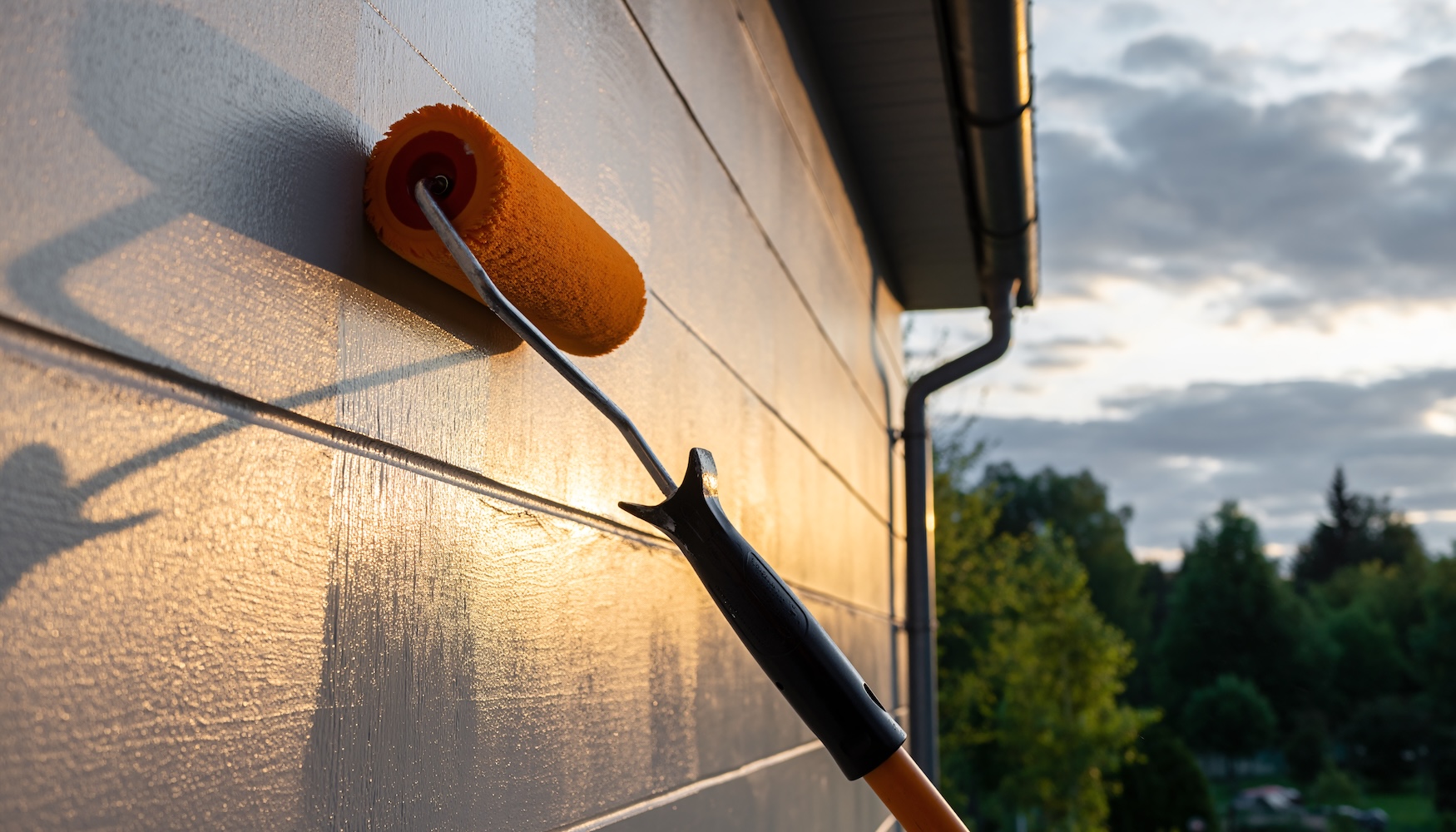
How Often Should You Paint Your House Exterior in Western Washington?
A professionally prepared and painted exterior may last roughly 7 to 10 years, but there is no universal repainting schedule for every Western Washington home. Siding material, previous preparation, paint quality, moisture exposure, direct sun, tree coverage, and the condition of the underlying exterior can all shorten or extend the repainting cycle.
Sherwin Williams gives approximately 7 to 10 years as a general exterior paint range while emphasizing that climate, surface material, and paint quality affect actual longevity.
In Western Washington, the best approach is to watch the condition of the coating and siding, not simply the calendar.
How Often Does Exterior House Paint Last?
A general planning range is:
About 7–10 years for many professionally painted exterior surfaces.
But some homes need painting sooner.
Others can go longer.
Factors include:
- Siding material
- Paint type
- Surface preparation
- Number of coats
- Previous coating condition
- Sun exposure
- Moisture
- Trees and shade
- Architectural complexity
- Maintenance
- Quality of application
The most important factor is often what happens before the paint is applied.
Painting over dirt, loose coatings, damaged siding, or unresolved moisture problems can significantly reduce the useful life of the new finish.
Why Western Washington Weather Matters
Western Washington has a moisture heavy climate, and the National Weather Service maintains extensive precipitation records for the Seattle region and surrounding Western Washington communities.
Exterior paint must regularly deal with:
- Rain
- Morning dew
- Long damp periods
- Shade
- Moss and mildew conditions
- Seasonal temperature changes
- Direct summer sun
- Wind driven weather
The climate does not mean exterior painting performs poorly here. It means surface condition, preparation, timing, and product selection matter.
7 Signs Your House Needs Exterior Painting
1. Paint Is Peeling
Peeling means the paint film is losing adhesion.
Possible causes include:
- Age
- Poor previous preparation
- Moisture
- Incompatible coatings
- Weathering
Sherwin Williams identifies exterior moisture as one potential cause of exterior paint peeling.
Before repainting, determine whether the surface simply needs preparation or whether a moisture problem is contributing to the failure.
2. Paint Is Cracking or Flaking
Small cracks can develop as coatings age and become less flexible.
Once the coating begins breaking apart, the underlying substrate may become more exposed to weather.
3. Bare Wood Is Showing
This deserves more urgency than ordinary fading.
Paint helps protect wood siding and trim from direct weather exposure.
If bare wood remains exposed, moisture can reach the material more easily.
4. Caulking Is Failing
Exterior joints around appropriate transitions may rely on sealant to help control water and air.
Cracked or separated caulk should be evaluated during exterior preparation rather than simply painted over.
5. The Color Has Faded Unevenly
Fading is often primarily aesthetic.
South and west facing areas may weather differently than shaded elevations.
If the coating remains well bonded, fading does not necessarily mean the siding itself is failing.
6. You See Chalky Residue
Some exterior coatings develop a powdery surface as they weather.
Proper cleaning and preparation are important before new paint is applied.
7. The Same Area Keeps Peeling
This one deserves additional investigation.
If one wall, board, or section repeatedly fails while the rest of the home looks fine, the issue may be more than paint age.
Potential contributors include:
- Water behind siding
- Failed flashing
- Gutter overflow
- Rotten siding
- Damaged trim
- Poor drainage
Painting again may cover the symptom without fixing the cause.
How Often Should Wood Siding Be Painted?
Wood generally requires closer maintenance than low maintenance manufactured siding because the coating plays an important role in protecting the material from weather exposure.
There is no one repainting interval that applies to every cedar or wood home.
Inspect it regularly for:
- Exposed wood
- Peeling
- Checking
- Rot
- Failed caulking
- Moisture staining
Do not wait for widespread bare wood before planning maintenance.
How Often Should Fiber Cement Siding Be Painted?
It depends on whether the siding has:
- A factory applied finish
- Field applied paint
- The specific manufacturer’s finish system
James Hardie describes fiber cement as a relatively low maintenance siding material and notes that maintenance needs depend on geography, building exposure, and whether the siding is factory finished or painted on site.
Factory finishes may follow different maintenance expectations than field painted siding.
Always follow the specific manufacturer’s maintenance and repainting requirements.
Does James Hardie Siding Need to Be Repainted?
Eventually, painted fiber cement may need refinishing, but the timing depends on the finish.
James Hardie’s ColorPlus products use a factory applied finish designed to resist fading, chipping, and cracking. The company still recommends routine cleaning and exterior maintenance.
If your Hardie siding has been field painted, repainting should be based on coating condition and the paint manufacturer’s recommendations.
What's the Best Time of Year to Paint a House in Western Washington?
The best painting conditions are generally periods when:
- Surfaces are dry
- Temperatures meet product requirements
- Rain is not expected during critical drying periods
- Overnight moisture and dew can be managed
For many Western Washington projects, late spring through early fall often provides more workable weather windows, but modern coatings can have different temperature and moisture tolerances.
The specific paint manufacturer’s application instructions should control the decision.
Sherwin Williams advises that temperature should remain within the product’s recommended range and above the dew point long enough for proper film formation; cold conditions or moisture can contribute to adhesion and performance problems.
Can You Paint a House in the Fall?
Yes, when weather and product requirements allow.
Exterior painting does not suddenly become impossible after summer.
The contractor needs enough dry time and suitable temperature conditions for the specific coating being used.
Some modern exterior paints are specifically formulated for faster moisture resistance and broader application conditions.
Can You Paint an Exterior in Winter?
Sometimes, but Western Washington winter painting requires careful planning.
Issues can include:
- Lower temperatures
- Shorter days
- Dew
- Rain
- Damp surfaces
- Reduced drying windows
Product specifications, surface temperature, forecast, and curing requirements all matter.
A contractor should not paint simply because the air temperature briefly reaches an acceptable number.
How Dry Does Siding Need to Be Before Painting?
The surface needs to meet the requirements of the coating system being applied.
Painting damp siding can interfere with proper adhesion and film formation.
Sherwin Williams specifically warns that colder temperatures and moisture on the surface can prevent the paint film from forming correctly and may shorten coating life.
Is Peeling Paint Just Cosmetic?
Sometimes. But not always. Ordinary aging can cause peeling. So can poor preparation. But moisture is another possible cause.
If peeling repeatedly occurs:
- Below a gutter
- Around a window
- At a roof-to-wall intersection
- Near rotten trim
- In one localized area
it may be worth checking the surrounding exterior before repainting.
Ferdi’s exterior waterproofing service evaluates roofing, siding, flashing, windows, doors, gutters, and drainage together because water problems frequently involve more than one exterior component.
Should You Repair Siding Before Painting?
Yes, damaged siding should generally be addressed before it is covered with a new paint system.
Painting over:
- Rot
- Loose boards
- Significant cracks
- Failed trim
- Moisture damage
doesn’t correct the underlying defect.
Ferdi’s painting service includes preparation and repairs so the coating is applied to an exterior that is ready to receive it. Ferdi positions professional exterior painting as both an appearance improvement and protection for siding and trim.
Should You Paint or Replace Old Siding?
Painting may make sense when:
- The siding is structurally sound
- Deterioration is primarily coating related
- Damage is minor and repairable
- The wall beneath remains sound
Replacement may make more sense when:
- Rot is widespread
- Numerous boards are failing
- Moisture damage exists behind the siding
- The siding itself has reached the end of its practical service life
- Repeated repairs and repainting no longer provide good value
A fresh coat of paint should not be used to make failing siding look temporarily acceptable.
Does Exterior Painting Protect Siding?
Yes, for siding systems designed to be painted, the coating provides an important protective finish.
Ferdi describes exterior painting as helping protect siding and trim from moisture, weather exposure, and long term deterioration.
Paint is not a substitute for flashing, siding, or a weather resistant barrier.
It works as one part of the complete exterior system.
Don't Wait Until the Entire House Is Peeling
The best repainting schedule is usually before widespread coating failure.
If your paint still looks good after seven years, there is no reason to repaint simply because a generic timeline says you must.
Likewise, if your five year old paint is peeling because water is getting behind the siding, waiting another two years makes little sense.
Condition matters more than a fixed date.
Get an Exterior Painting Evaluation
Ferdi Roofing & Siding provides exterior house painting in Kirkland, Bellevue, Redmond, and surrounding Eastside communities. Because Ferdi also works with siding, roofing, gutters, windows, and exterior waterproofing, the team can identify exterior repairs that should be addressed before they disappear beneath a fresh coat of paint.
Request a Free Exterior Painting Estimate
Or call (425) 495-7795.
Exterior Painting FAQs
How often should you paint your house exterior?
A common general range is approximately 7 to 10 years, but climate, siding material, paint quality, preparation, and exposure can significantly change the timeline.
How long does exterior paint last in Washington?
There is no Washington specific universal lifespan. A well prepared exterior may fall within the general 7 to 10 year range, but homes exposed to persistent moisture, strong sun, poor drainage, or inadequate previous preparation may need attention sooner.
What are the signs a house needs repainting?
Common signs include peeling, cracking, flaking, exposed substrate, failed caulking, severe fading, chalking, and areas where the coating no longer protects the surface effectively.
Can you paint siding when it is damp?
Exterior surfaces should meet the moisture and application requirements of the paint being used. Painting a damp surface can create adhesion and film-formation problems.
Should I paint over peeling paint?
Loose and failing paint should be properly prepared before repainting. Painting directly over an unstable coating can lead to continued failure.
Should siding be repaired before painting?
Yes. Rotten, loose, cracked, or otherwise failing siding should be evaluated and repaired before final painting.
Is it better to repaint or replace siding?
Repainting is usually appropriate when the siding itself remains sound. Replacement becomes more reasonable when deterioration is widespread, moisture damage is significant, or repeated repairs no longer make sense.
Does Ferdi repair siding before painting?
Ferdi provides both siding and exterior painting services, allowing damaged exterior materials to be evaluated as part of the project rather than simply painted over.